Nature
 PUBLISHED
 1
1


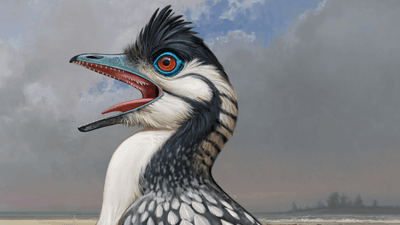


The discovery of Archaeopteryx filled in a big gap in our understanding of how dinosaurs took to the skies, but for all the questions it’s answered, a new one has arisen: what on Earth is going on with the fleshy “teeth” scientists just discovered on the roof of its mouth?
The discovery takes us to Chicago, where a mysterious specimen arrived encased in rock at the Field Museum in 2022. It was scientifically described in 2025 following meticulous preparation, and that refined work has continued to reveal new surprises about the first flying bird dinosaurs.
It took a team led by the Field Museum’s chief fossil preparator Akiko Shinya over a year to painstakingly chip away at a layer of limestone covering the “Chicago Archaeopteryx” to reveal what was inside. If it sounds meticulous, that’s because it has to be, because telling Archaeopteryx apart from similar feathered dinosaurs that weren’t yet flying isn’t easy.
Fossil revealed, the team could take it one step further using an ultraviolet light during intermittent stages of its preparation to make the soft tissues – such as skin and feathers – and bone glow. This glow acts like a guide so they don’t accidentally remove parts of the fossilized animal. It was during this process that Shinya and her fellow preparator Connie Van Beek spotted something weird inside the ancient bird’s skull.
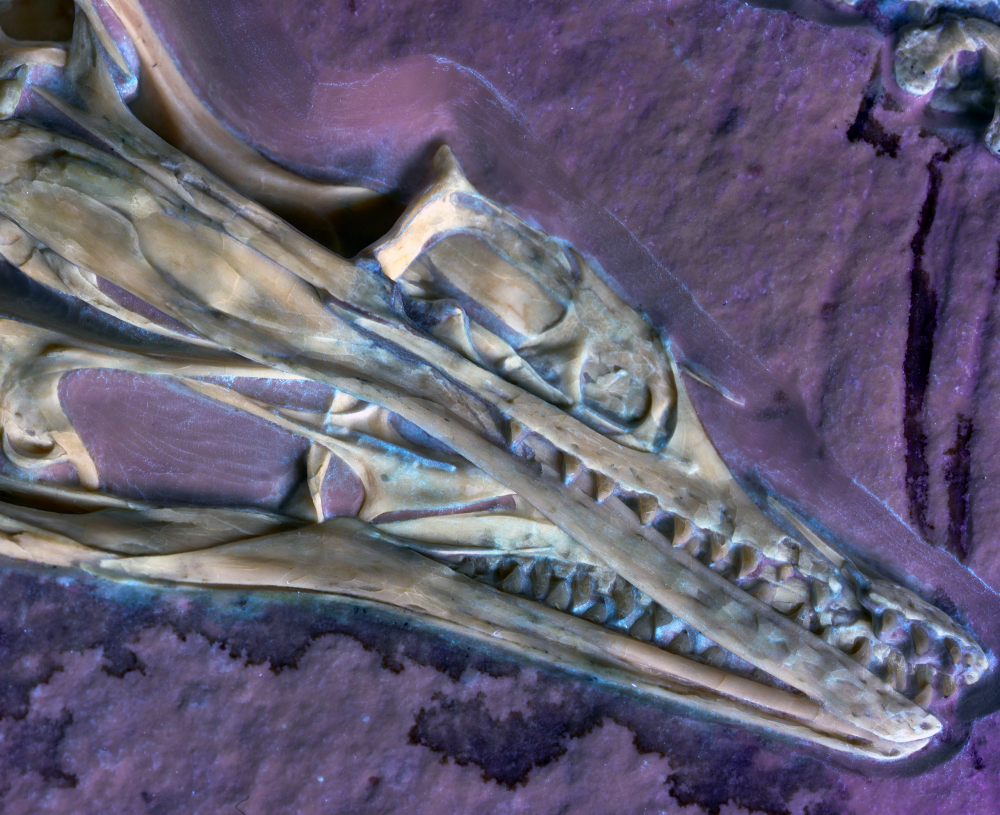
“I remember them calling me over and saying, ‘Jingmai, we found something strange, come look at it,” said lead author Jingmai O’Connor, an associate curator of fossil reptiles at the Field Museum in Chicago, in a statement. “They showed me these tiny, glowing dots, and I had no idea what we were looking at.”
At times like this, it’s handy to have some living dinosaurs to refer to: birds. Yes, all birds are dinosaurs (but not all dinosaurs are birds), and after referring to the literature, O’Connor noticed the skull features were similar to something seen in the skulls of birds alive today.
“Imagine if the flesh on the roof of your mouth just had rows and rows of tiny, fleshy cones – that’s what birds have, and they're called oral papillae,” said O’Connor.
The cones are not quite teeth, but they do help the birds eat by effectively guiding food down their throat in a way that bypasses the windpipe. Their discovery in Archaeopteryx marks the oldest known oral papillae in the fossil record and demonstrates how there’s more than just your rudimentary wings that need to adapt when you take to the air.
“These discoveries show this really clear shift in how dinosaurs were feeding when they started flying and had to meet the enormous energetic demands of flight,” said O’Connor. “Birds have a super-efficient digestive system – everything is modified to maximize the efficiency of eating and the calories that they can extract from food. And the digestive system starts with the mouth.”
And if you find that a freaky concept, just get a load of the threatening conical papillae known as geese teeth.
The study is published in The Innovation.