


 Nature
 PUBLISHED


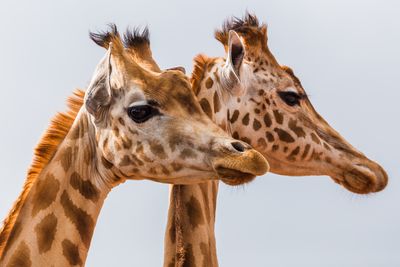


The US Fish and Wildlife Service (FWS) has announced a proposal to list three subspecies of giraffe as endangered under the Endangered Species Act (ESA), and a further two species as threatened. If finalized, this would see all five entitled to federal protections that it’s hoped will help combat their decline.
The proposal, which is the outcome of a petition filed all the way back in April 2017, puts forward that three subspecies of the northern giraffe (Giraffa camelopardalis) should be added to the act: West African (G. c. peralta), Kordofan (G. c. antiquorum), and Nubian (G. c. camelopardalis).
Reticulated (Giraffa reticulata) and Masai (Giraffa tippelskirchi) giraffes are the two species suggested to be listed as threatened, which would see them receive slightly more tailored protections.
In both cases, the FWS has called its proposal a response to declining giraffe populations. Since 1985, the total number of the three northern giraffe subspecies has declined by 77 percent, from 25,653 individuals to just 5,919. In many of their original habitats in West Africa, their populations have been completely eradicated.
It’s thought that the decline of giraffes is largely due to the loss or fragmentation of their habitat, poaching, and the knock-on effects of climate change, which has seen an increase in human-wildlife overlap and conflict.
At first glance, the FWS proposal might not seem to make sense. After all, giraffes aren’t naturally found in the US, so how can a US law possibly protect animals that live thousands of miles away?
However, the ESA isn’t something that only applies to species endemic to the country. As NOAA Fisheries explains, “The Endangered Species Act of 1973 provides a framework to conserve and protect endangered and threatened species and their habitats both domestically and abroad.”
Take a peek into the details of the act itself and it explains why that’s the case: the US is part of several international treaties and agreements in which it “has pledged itself as a sovereign state in the international community to conserve to the extent practicable the various species of fish or wildlife and plants facing extinction”.
Any prohibitions that are included – such as banning certain activities, like hunting – only apply to people under the jurisdiction of the US, but the ESA can be used to increase awareness, research, and funding for conservation efforts in both the US and the home countries of the species it lists.
In the case of the FWS new proposal – if it’s finalized – those conservation efforts will include: the introduction of US import permits in order to reduce illegal hunting and trade of giraffes; more US and global awareness and research initiatives; and funding and financial assistance for giraffe conservation programs in their native habitat.
“Federal protections for giraffes will help protect a vulnerable species, foster biodiversity, support ecosystem health, combat wildlife trafficking, and promote sustainable economic practices,” said US Fish and Wildlife Service Director Martha Williams in a statement.
“This action supports giraffe conservation while ensuring the United States does not contribute further to their decline.”



 1
1