Nature
 PUBLISHED


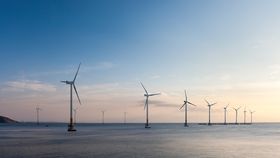


Germany, Denmark, and Belgium are joining forces with industry giants to install some colossal new offshore wind farm projects in the next decade, set to increase Europe’s current capacity by almost 500 percent.
Energy ministers from the three countries and numerous leaders of industry signed the joint statement on Tuesday at Offshore Wind Energy 2017 in London, pledging to deliver a 60 gigawatts (GW) of wind power between 2020 and 2030, or at least 4 GW per year of new deployment in the decade after 2020. The current capacity of offshore wind farms operating in Europe is 12.6 GW, according to the accompanying report by WindEurope. In theory, this new decision means offshore wind could power up to 25 percent of the EU by 2030.
“More than ever, we need countries to coordinate and lay out a clear vision,” Samuel Leupold, CEO of DONG Energy Wind Power, said in a statement. “A visible and steady pipeline of projects between 2020 and 2030 will allow for continued cost reductions, a thriving supply chain and continued European leadership in an increasingly international market for offshore wind. We welcome the joint statement and call on other governments to commit to robust volumes.”
Understandably, this great news was washed down with a fair few bottles of German beer.

Europe is working hard to transition towards low-carbon energy. The EU has agreed to cut emissions by 40 percent from 1990 levels by 2030, keeping in tune with the Paris Climate Agreement.
All this infrastructure development is not just good for the planet, it also promises huge benefits for the economy. “Offshore wind is already delivering economic benefits to local communities through major inward investment and job creation," Hugh McNeal, CEO of RenewableUK said. "An industrial strategy which puts offshore wind at its heart can secure billions more in investment and deliver cheaper electricity for consumers”.
This bold move has only been made possible by the recent reduction in costs within the industry. “The industry has delivered cost reductions ahead of all expectations and way beyond any other generation technology,” added Keith Anderson, CEO of ScottishPower Renewables.
Germany, Denmark, and Belgium are already some of the world’s “poster boys” for green energy. In December last year, Denmark’s single mammoth wind turbine generated a record-smashing amount of electricity in a 24-hour period. On the last weekend of April, two-thirds of Germany's electricity came from renewable energy sources.