Nature
 PUBLISHED


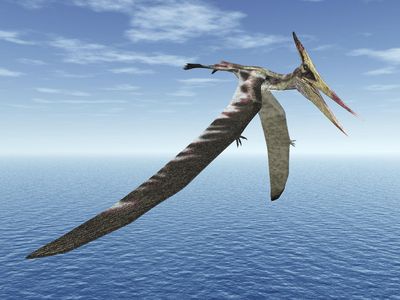


Fossils can tell us lots about how ancient creatures lived, what they ate, and even what colors they might have been. But the fossilization process is tricky, and internal soft tissues are often broken down long before anyone can find them. For the first time, however, scientists have detected traces of ancient steroids on a remarkably preserved 113 million-year-old pterosaur wing, allowing us to see how tiny microbes have helped preserve the internal structures of the bone and shedding new light on the diet of these ancient flying reptiles.
The Lower Cretaceous Romualdo Formation of Brazil is famous for the number of preserved pterosaurs that have been found there. These ancient flying reptiles lived in the Cretaceous period and had enormous wingspans. The area is so famous because the fossils are trapped in calcium carbonate, helping the fossil keep their extraordinary details, which can include organs, tissue, and fine bone structures.
“This fossil is a true time capsule — not only is it beautifully preserved, but for the first time we’ve detected traces of steroids in a pterosaur, providing further evidence that these creatures likely fed on fish or squid,” Professor Kliti Grice of Curtin University said in a statement.
“It also marks the first time molecules have been recovered from a pterosaur fossil, revealing new clues about its diet and highlighting the growing potential of molecular palaeontology to unlock secrets from deep time."
One particular fossil of the left wing of a pterosaur was preserved in a way known as a cascading mineralization route. The wing bones of pterosaurs were hollow, like modern birds' wings, allowing the minerals to form on the inside of the bones. The conditions surrounding the fossil were likely to have been water with a high level of hydrogen sulfide and low levels of oxygen. This means that sulfur-oxidizing bacteria (SOBs) are involved in the fossilization process and contribute to the mineralization.
“After this pterosaur died and sank to the seabed, a perfect storm of chemistry, biology and the environment worked to seal its story in stone," said Grice.
"Microbes, including sulfur-oxidising bacteria, began breaking down the soft tissue and fats and triggered mineralisation around the body – a process that, over time, helped preserve its structure in incredible detail for more than 100 million years."
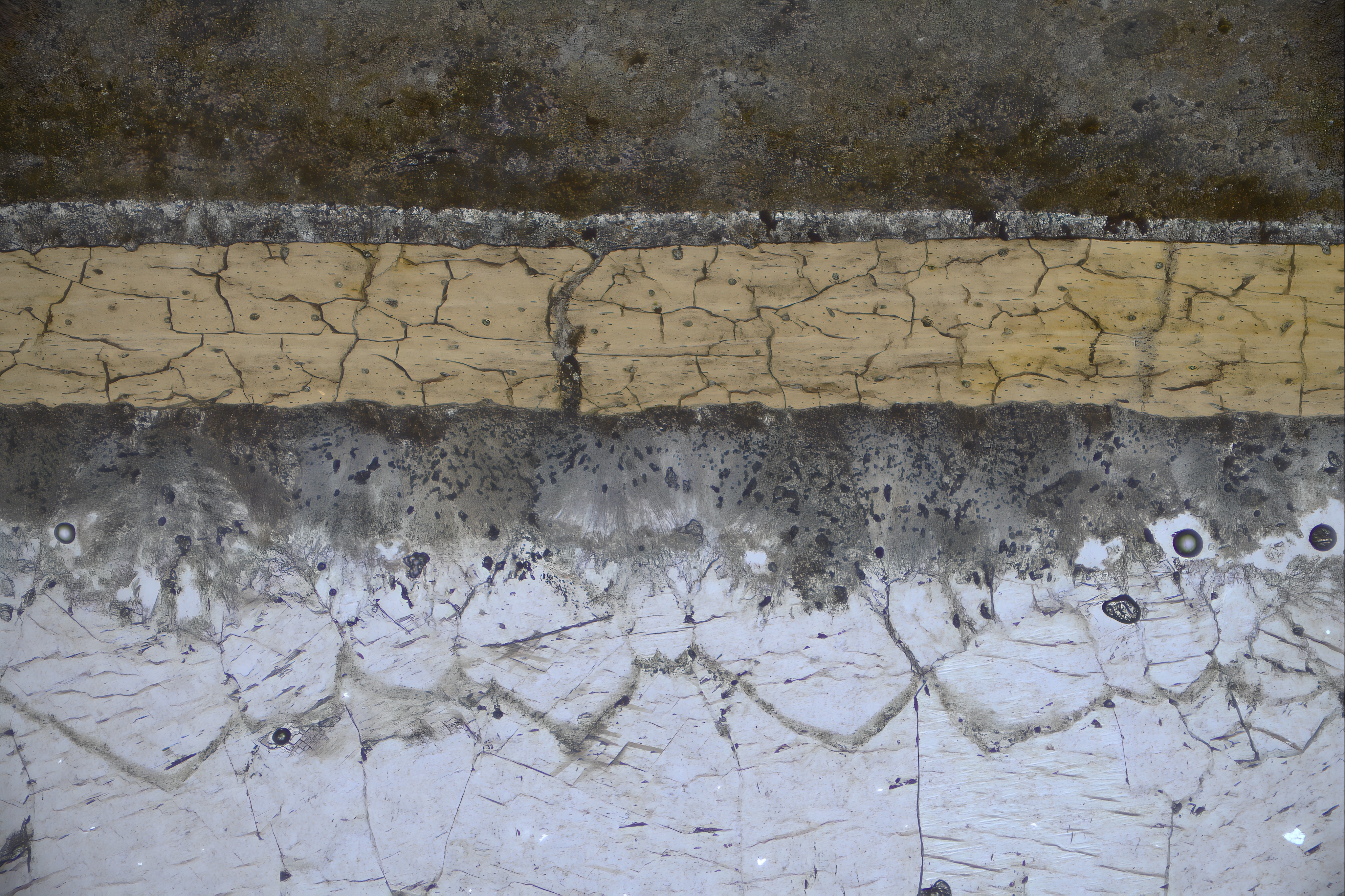
The team found biomarkers within the fossil that showed a complex mix of steroids. These can be attributed to the diet of the pterosaurs, showing that it ate from both marine and terrestrial food sources. The molecules can even show that the pterosaur had a diet that was based on fish and cephalopods (though they didn't always win that fight).
"It adds to the growing evidence that tiny microbes played a big role in this process – something we are now identifying at other fossil sites – presenting a new global Lagerstätten mechanism – the special conditions that make exceptional preservation possible,” Grice said.
The paper is published in iScience.