Humans
 PUBLISHED
 1
1


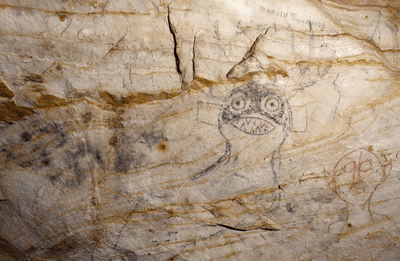


Among North American rock art sites, the aptly-named Picture Cave stands out as one of the most impressive. In the cave’s “dark zone”, where no natural light reaches, ancient Indigenous communities painted more than 300 separate pictographs over an exceptionally long period of time.
By taking samples of red and black pigments from 24 images, researchers were able to use radiocarbon dating to recreate the cave’s history. Their results showed that the paintings were made over a period of between 905 and 1,480 years, with the oldest artworks possibly made as early as 85 CE.
The most recent painting, on the other hand, may date to 1630 CE, highlighting the ongoing importance of this sacred site to Indigenous groups.
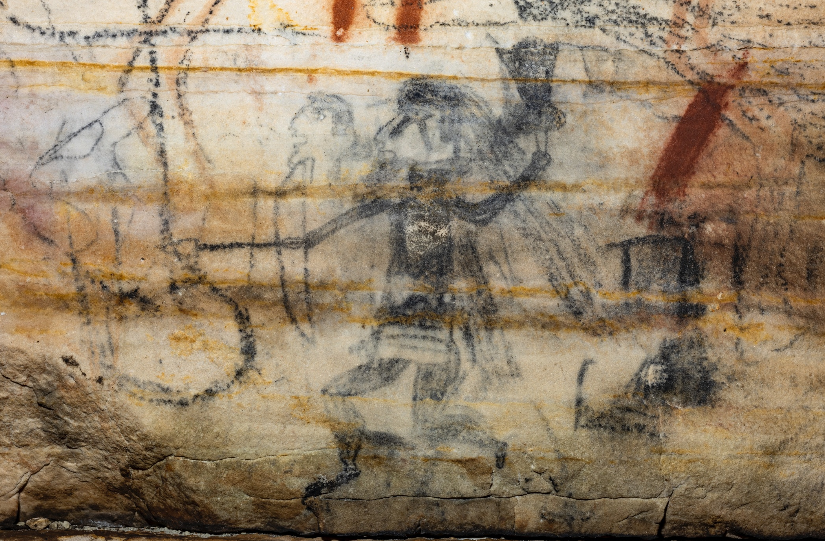
According to the study authors, Picture Cave was reserved for sacred ritual activities, and the paintings it contains represent various elements of Siouan cosmology. The artists may have had links to greater Cahokia, where the ancestors of the modern-day Omaha, Osage, Ponca, Kansa, and Quapaw nations once lived.
Last year, a separate group of researchers collaborated with tribal elders from some of these communities in order to learn more about the paintings and their meanings. For instance, they managed to reveal that one motif depicts a spiritual being known as Morning Star, Hawk, or the Symbolic Man, in a scene that symbolizes the first sunrise.
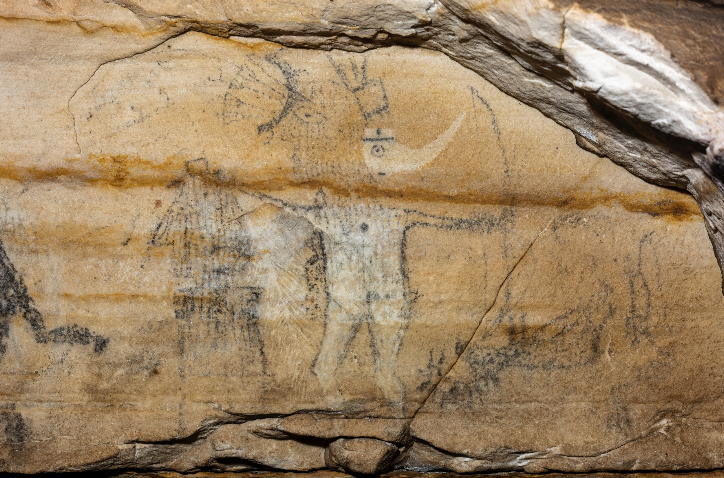
The authors of the new study were able to date this particular glyph to 980 years ago during the Mississippian period, when stratified Native American societies flourished across the Southeast and Midwest.
Other images, however, go all the way back to the earlier Woodland period, which was characterized by a less complex social structure.
That the ritual painting of Picture Cave continued throughout these cultural transitions attests to its sacred status and ongoing significance to local Native American communities. Sadly, however, the site was auctioned off to an anonymous buyer in 2021 for $2.2 million, despite opposition from the Osage Nation.
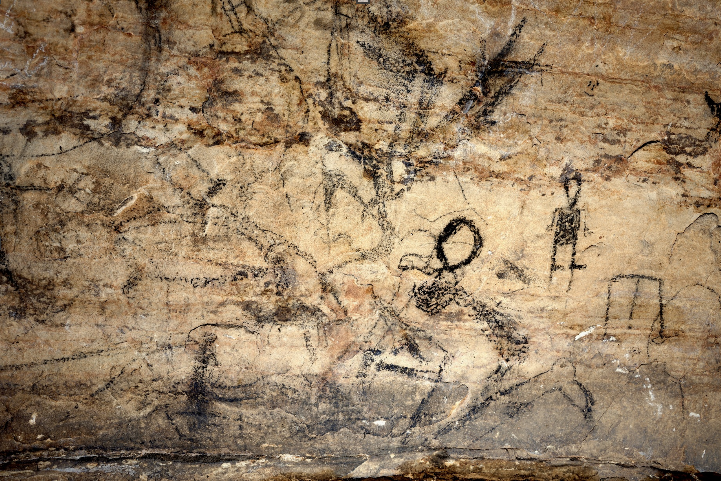
“The Picture Cave archaeological site in Warren County Missouri, can be considered one of the most important cultural and sacred sites to the Osage People,” explained the Osage elders of the Traditional Cultural Advisors Committee in a statement.
“The Picture Cave site pictographs, are unique in that they provide a visual record of the lifeways, religion, and ways of our ancestors,” they wrote.
However, while the cave remains in private hands, it seems that the owner is at least willing to respect the immense cultural and religious value it holds, and has allowed research teams and Indigenous elders to continue to study the ancient pictographs.
The study is published in the journal American Antiquity.