Nature
 PUBLISHED
 2
2




If you’ve ever gone sieving for gold at an amusement park, you’ll understand the pure unadulterated joy of stumbling across hidden precious metals. Out in the world, however, they’re a little more difficult to come by. New research published in the journal Scientific Reports has discovered that nature is willing to offer a clue for treasure hunters, as they found out why fish fossils are commonly surrounded by deposits of precious metals.
The phenomenon is the result of ancient global climate change combined with undersea geology that forced ancient fish populations to specific locations in the ocean. As these fish died and began to fossilize, they accumulated elements that were deposited alongside the fish fossils in the ocean bed.
These deposited elements would usually remain diffuse in the ocean, but the fossilization of the fish causes them to accumulate inside the fossils. The association of fish fossils and rare metals was previously known but this is the first time scientists have understood why the association happens. They made the discovery in the sea surrounding Minamitorishima, China, where deposits were discovered just over 5 kilometers (3 miles) below sea level.
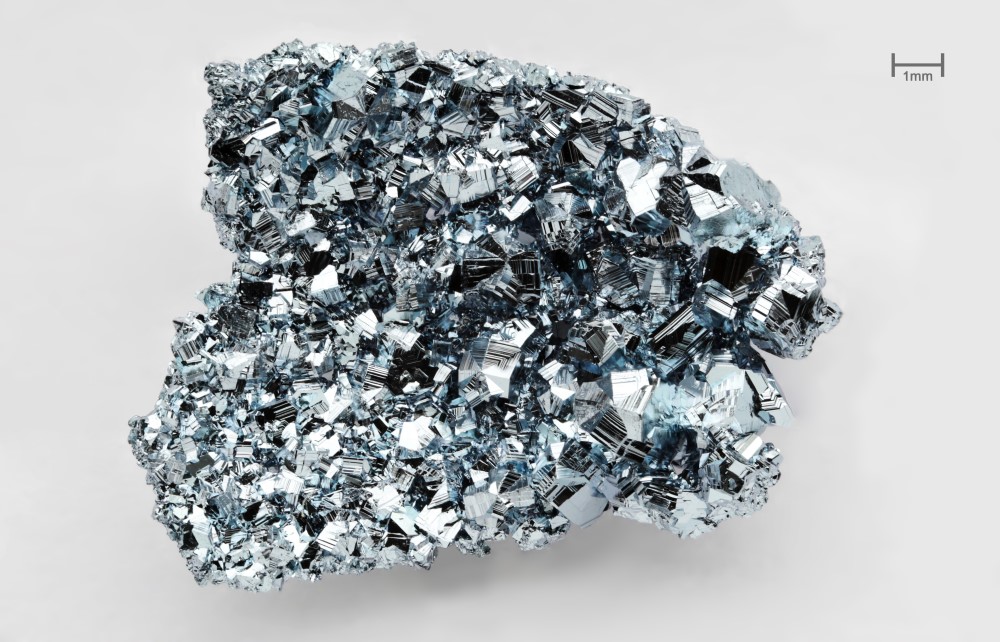
Beyond representing an exciting find, rare metals are a key ingredient in the production of a range of machinery, from rechargeable batteries to wind turbines. Currently, most of the world’s supply comes from mines in China but there are hopes that the ocean may supply a fresh glut of precious elements.
"Based on this new theory for the genesis of REY deposits in the ocean, we can improve the way we find future deposits," said Professor Junichiro Ohta in a statement. "We can target the feet of large seamounts on the seabed, many of which are distributed from the western North Pacific Ocean to the Central Pacific Ocean, so are in theory accessible to Japan."
The researchers highlight that while an exciting discovery, there is still much work to be done as to how these precious metals can be harvested. Commercially mining deposits from deep in the ocean is a problematic undertaking, and so now work begins on sussing out a sustainable method for retrieving them.