Nature
 PUBLISHED


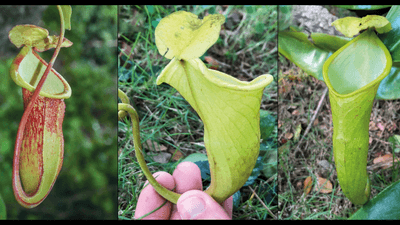


A new species of carnivorous pitcher plant has been described on Palawan Island in the Philippines. Named for its “large mouth”, it’s an impressive specimen, but one that scientists say is already at risk of extinction with fewer than 50 known plants in existence.
The new-to-science species has been named Nepenthes megastoma. Like other carnivorous Nepenthes plants, it uses its large bell-shaped pitcher to trap insects that are then chemically broken down into a delicious bug smoothie.
Despite this efficient feeding method, N. megastoma is critically endangered. Its biggest threat? You guessed it: us.
"It's amazing that these plants have evolved to survive in such difficult and inaccessible conditions,” said researcher John Charles Altomonte in a release emailed to IFLScience. “And yet, despite their hardiness, their existence is threatened by human activity – directly by way of encroachment and poaching, and indirectly through the effects of anthropogenic climate change.”
It's thought that carnivorous plants evolved to feed on insects as a way to overcome nutrient-poor environments. If the surrounding soil is rubbish and there aren't many nutrients to be had, you can switch your attention to feeding on mobile creatures that get nice and plump feeding elsewhere before landing on you.
N. megastoma is a specialist at growing on steep cliff sides with adaptations for vertical pollination, rain collection, and even traits that change seasonally to improve water retention. Unfortunately, all this isn’t enough to keep up with human activity.
Habitat degradation is a big problem, as are the extreme weather conditions that are becoming more common as a result of the drastically changing climate. Then, there’s the poachers.
We more commonly think of poachers going after animals, but illegally harvested specimens of N. megastoma have been found being sold in Metro Manila. It seems even a plant that grows on a literal cliff face isn’t out of our reach.
It’s estimated there are only around 19 mature clumps and 12 non-flowering plants in the wild. As such, their risk of extinction is high. A typhoon, drought, or further poaching could be enough to wipe them out completely.
Hang in there, N. megastoma.
The study is published in the journal Phytotaxa.