Nature
 PUBLISHED
 1
1





India and Pakistan are currently experiencing extreme and deadly heatwaves, with average maximum temperatures the highest since records began 122 years ago, according to the Indian Meteorological Department (IMD).
Last month, New Delhi's temperatures easily reached more than 40°C (104°F), a temperature anomaly of several degrees that lasted seven consecutive days. Since then temperatures reaching 44-46°C have been reported in parts of West Rajasthan, Punjab, Madhya Pradesh, and Vidarbha. April 30 saw the highest maximum temperature recorded so far, 46.6°C in Chandrapur in Vidarbha.
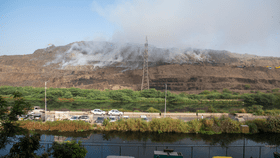
The temperatures are well above what is considered healthy for humans, and on top of the sweltering heat associated disasters are unfolding. New Delhi has been in a chokehold of burning rubbish for multiple days. A garbage dump mountain 73 meters tall and 4,570 meters across (240 and 15,000 feet respectively) has been spilling toxic smoke into the air after spontaneously combusting due to the heat.
And areas of Pakistan are not faring much better, with the Pakistan Meteorological Department (PMD) warning of the risk of melting glacier lake floods. According to CNN, data shared with them by the PMD saw cities Jacobabad and Sibi reach 47°C (116.6°F) on Friday, the highest temperature recorded in any city in the Northern Hemisphere on that day.
In India, the media reports a shortage of coal – the main fuel for the country's many power stations – meaning power cuts for millions for up to nine hours a day, as well as a shortage of water, which is likely to continue to deplete until June and July when the annual monsoon rains are expected to arrive.
The heatwave is also occurring in the last week of Ramadan, making it even more difficult for the many Muslim people in India and Pakistan who are fasting and not drinking water during the daylight hours.
India and Pakistan have successfully employed Heat action plans, reducing the number of casualties from the heatwaves in recent years, but the heatwaves have gotten worse. Pre-monsoon heatwaves in India have increased in frequency, duration, size, and intensity over the last 30 years and are expected to continue to do as a consequence of the unfolding climate crisis.
The Indian Meteorological Department expects the extreme heat to continue until May 2.