Nature
 PUBLISHED




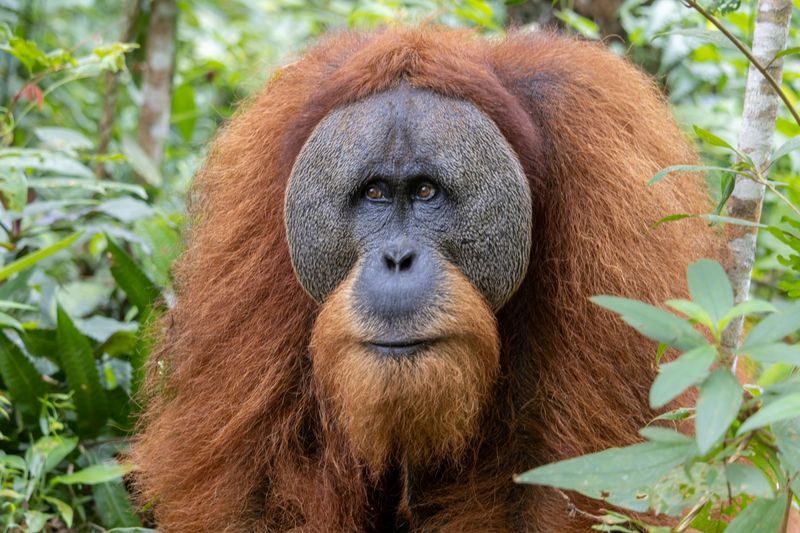
As forest fires continue to blaze across Indonesia, environmentalists are becoming increasingly concerned that the destruction of certain habitats may force wild animals to seek refuge in populated areas, potentially causing a spike in human-animal conflicts. Speaking to 7.30, Monterado Fridman of the Borneo Orangutan Survival Foundation (BOSF) explained that orangutans are being driven from the burning forest and onto local farmland. This, according to ABC’s Indonesia correspondent Adam Harvey, leaves them exposed to the wrath of the “angry locals.”
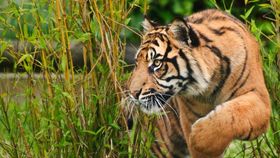
The rest of this article is behind a paywall. Please sign in or subscribe to access the full content.Unfortunately, clashes between humans and animals are nothing new in Indonesia, with several previous reports of deadly encounters between Sumatran farmers and wild elephants or tigers that have strayed too close to their property, in which both humans and animals have been killed. Considering the hit that many native populations have already taken due to large-scale deforestation, these confrontations are the last thing that conservationists need. For instance, the International Union for Conservation of Nature estimates the number of tigers in Indonesia’s forests at less than 400, and while the full impact of this year’s fires is yet to be determined, many experts fear that several species could be badly affected.
Among these is Greenpeace Indonesia team leader Yuyun Indradi, who says the fires are likely to have “a huge impact on endangered species because they need a big habitat.” When this habitat is destroyed by fires or deforestation, it is only natural to expect “more human-animal conflicts,” particularly involving elephants and tigers.
Aside from the increased risk of encountering humans, many animals in the region also face the prospect of developing conditions such as acute respiratory syndrome. According to Fridman, it is the baby orangutans that are most susceptible to this, as the smoke affects them in much the same way as it does human infants. “They get flu, cough, diarrhea,” he explains, while adding that the BOSF has begun transporting them to rescue centers “wearing nappies because of diarrhea brought on by smoke inhalation.”
With the seasonal rains having finally arrived across large areas of South East Asia in the past few days, there is now renewed hope that this year’s crisis could soon come to an end. However, the danger is far from over, with fires continuing to blaze. In an effort to avoid a repetition of such a large-scale catastrophe, Indonesian president Joko Widodo has vowed to “revitalize” the peatland ecosystem, announcing plans to block canals in order to ensure the peat stays wet and therefore fire-resistant.