Nature
 PUBLISHED


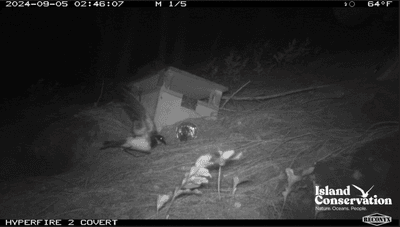


After invasive rats caused their disappearance from the island of Kamaka over a century ago, Polynesian storm-petrels have now been spotted returning to the area, with the hopes that the site will become a safe haven for the endangered seabirds to nest in.
The birds’ long-awaited comeback is the result of a years-long, multiorganization effort to restore and rewild Kamaka, a tiny French Polynesian island found in the south of the Pacific Ocean.
One of the key parts of the project was ridding the island of invasive rat species. As ground-nesting birds, the storm-petrels’ eggs and flightless young were particularly vulnerable to being preyed upon by the rodents, leading to the loss of the birds from the island – and a dwindling population in the rest of their habitat.
With the use of drones, the team behind the project were able to completely eradicate the invasive rodents from the island in 2022.
The next major step was to coax the birds back to the island, and it’s here where the team had to get a bit creative. They utilized what they called a “social attraction” strategy, which first involved recording the sounds of a storm-petrel colony on a nearby island.
Alongside four live-in burrows and motion-sensing cameras, the team installed two solar-powered sound systems on Kamaka set to broadcast the recorded sounds.
The installations took place in March 2024, just before breeding season – within one month, the first storm-petrel was spotted back on the island. By June, multiple birds were seen and were even spotted in the burrows.

“The results of our social attraction efforts were quickly apparent – Polynesian storm-petrels began visiting at the start of the nesting season and became regular visitors, while also spending time in the nest boxes,” said Thomas Ghestemme from SOP MANU, one of the organizations involved in the project, in a statement.
It’s a positive sign for a species with only 250 to 1,000 individuals estimated to remain in the wild and the team hopes that with a safe place to nest, that number will receive a much-needed boost.
“The quick return of these birds scouting for future nesting sites provides an outstanding opportunity to establish another secure breeding population,” said Coral Wolf, Conservation Impact Manager at Island Conservation, another of the conservation organizations taking part in the project.
“This remarkable progress brings hope for the future, as the Polynesian storm-petrels reclaim their island home,” added Tehotu Reasin, landowner of Kamaka Island. “These seabirds bring critical nutrients from the ocean to the island, which cascades down into the surrounding marine environment benefiting fish and corals.”
“The entire ecosystem can once again thrive.”