Humans
 PUBLISHED



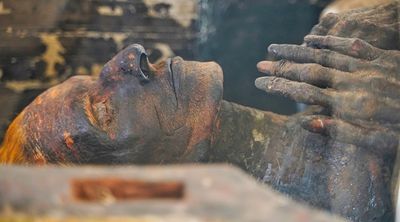


The odors given off by ancient Egyptian mummies contain clues as to when and how they were embalmed, new research has revealed. By analyzing the smells of 19 different mummified corpses, the study authors were able to identify the types of ingredients used to create the balms, while also determining the historical period from which each mummy originates.
The practice of mummification first became popular around 4,500 years ago during the Old Kingdom of ancient Egypt, and it continued all the way into the Roman period. Over the years, the composition of the embalming ingredients changed, with different types of plant oils, animal fats and resins being used at different times, along with varying amounts of beeswax and bitumen.
Until now, researchers have had to rely on complex chemical analysis techniques to identify the components of these balms, some of which can irreparably damage the fragile mummies. However, noting that all Egyptian mummies give off a “distinctive musty odor”, the authors of the new study wondered if they could discern the make-up of ancient balms based on the volatile organic compounds they give off.
The mummies tested in the study spanned almost the entire history of ancient Egypt, ranging from 2000 BCE to 295 CE. On the whole, the researchers found that mummies from the same historical period displayed roughly equal volatile profiles, reflecting how embalming techniques changed over time.
For instance, those from the New Kingdom, Ptolemaic Dynasty and Roman era all contained markers of bitumen, while earlier mummies lacked this crude-oil-derived ingredient. Differences in the amount of beeswax used, as well as the types of fats and oils included in the balms, also contributed to the scent composition of mummies from different eras.
Even without knowing the specific oils and fats involved, the researchers were able to identify the period to which a mummy belonged based on the volatile compounds in its odor. So distinctive are these chronological differences in embalming practices that the age of a mummy was found to be the single biggest influencer of its volatile profile.
The smell of ancient mummies has increasingly captured the attention of scientists, with one recent study identifying a range of “sweet”, “spicy” and “woody” aromas in these preserved corpses. According to the authors of this latest study, volatile analysis of these scents may provide a fast, easy and non-invasive method for discovering the age of a mummy and gleaning information about how it was embalmed.
The study is published in the Journal of Archaeological Science.