Nature
 PUBLISHED
 1
1


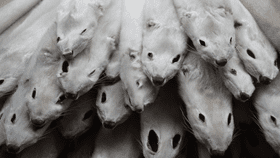


As the COVID-19 pandemic unfurled, we began to detect infections among species beyond humans. Dogs, cats (including tigers), and gorillas have all tested positive for the virus, but it was an infection among farmed minks in Denmark that sparked the most concern for human health. The country reported that the SARS-CoV-2 virus had spread to over 200 farms, representing an enormous population of captive animals among whom it was possible a dangerous mutation could emerge.
“The Danish health authorities, Statens Serum Institut, have found a mutation and preliminary studies suggest that this mutation may affect the effectiveness of the current candidate for a vaccine against Covid-19,” Magnus Heunicke, the Danish Minister for Health, said in a statement. “However, there is no evidence that those people infected with this mutation experience a more serious disease. A large virus reservoir of mink increases the risk of mutations re-emerging, which increases the risk that vaccines will not provide optimal protection."
Fear rose over the virus running amok among so many animals and the threat a new variant could pose to human populations, and the decision was made to cull the mink in their millions. Farms such as these experience several escapees in a normal year, so it was a legitimate fear that the infected animals could leak into the wider environment and pass the illness on.
“Infected mink have been shown to transmit SARS-CoV-2 to other mink and to humans," said Professor Joanne Santini, a professor of Microbiology at University College London, to IFLScience. "There is, therefore, good grounds to be concerned that infected mink could transmit the virus to other at-risk animals. Mink are solitary animals so it’s unlikely that they would serve as a reservoir as they do when farmed, but they could transmit the virus to an animal that does live in high densities constituting a reservoir.”
Eager to dispose of the ~17 million potentially infectious mink carcasses, authorities began cremating their remains – but a capacity issue meant some were hastily buried instead. However, as the decomposing bodies began to release gases, the corpses began creeping up from the ground like some sort of grisly zombie horror.
It’s thought around four million dead mink were buried, and the mass graves sat unfortunately close to a swimming lake and drinking water source. Accordingly, the Danish government has decided to exhume the mass mink graves (starting May 2021) so that they can be properly disposed of. The move will see the approximately four million bloated minks taken to 13 central heating plants across the country and incinerated in the summer, spelling an end to the grisly journey of these unlucky animals.
[H/T: Live Science]