Humans
 PUBLISHED
 1
1


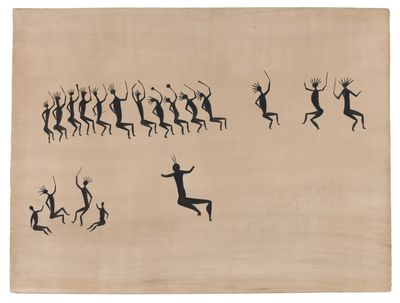


The San hunter-gatherers of Southern Africa are among the most prolific rock artists on the planet, having produced huge numbers of paintings at sites across multiple countries. Many of these artworks depict people dancing, and a new analysis of these lively scenes reveals that certain ancient dances may have been designed to trigger altered states of consciousness.
“Dance is an intangible, embodied practice that is difficult to reconstruct archaeologically,” said Dr Margarita Díaz-Andreu, ICREA researcher and coauthor of the study led by Dr Joshua Kumbani of the University of Tubingen, to IFLScience. Depictions of these musical practices in rock art therefore offer researchers a way to learn about ancient behaviors and traditions that leave no physical trace in the archaeological record.
These artworks offer rich insight into how past communities understood the body, spirituality, and collective identity.
Dr Margarita Díaz-Andreu
In the case of the San, these historical depictions go back tens of thousands of years, although the most numerous and well-preserved rock art sites were all painted within the last 5,000 years.
“The scenes can tell us a great deal about the cultures that produced them,” said Díaz-Andreu. For instance, “the depictions of trance dances, initiation ceremonies, and possible entertainment dances show that dance was central to communal life, healing practices, and rites of passage,” she explained.
“As such, these artworks offer rich insight into how past communities understood the body, spirituality, and collective identity.”
Among the dances portrayed in the San rock paintings, trance dances were the most common. These ritual performances are believed to have lasted for many hours, and some of the ancient artworks appear to show dancers entering into altered states of consciousness. For instance, paintings at Witsieshoek in Free State portray dancers with animal heads and tails, indicating shamanic transformation, while those at Halstone, Fetcan Glen, and Fetcan Bend – all in Eastern Cape – include dancers collapsing and experiencing nose bleeds, thus hinting at trance-like states.
The paintings also provide insights into the types of musical instruments played at these gatherings, with leg rattles and musical bows appearing in some of the images. Yet it wasn't just trance dances that the San engaged in, and numerous painted panels also depict “eland dances”, which were performed as part of female initiation ceremonies.
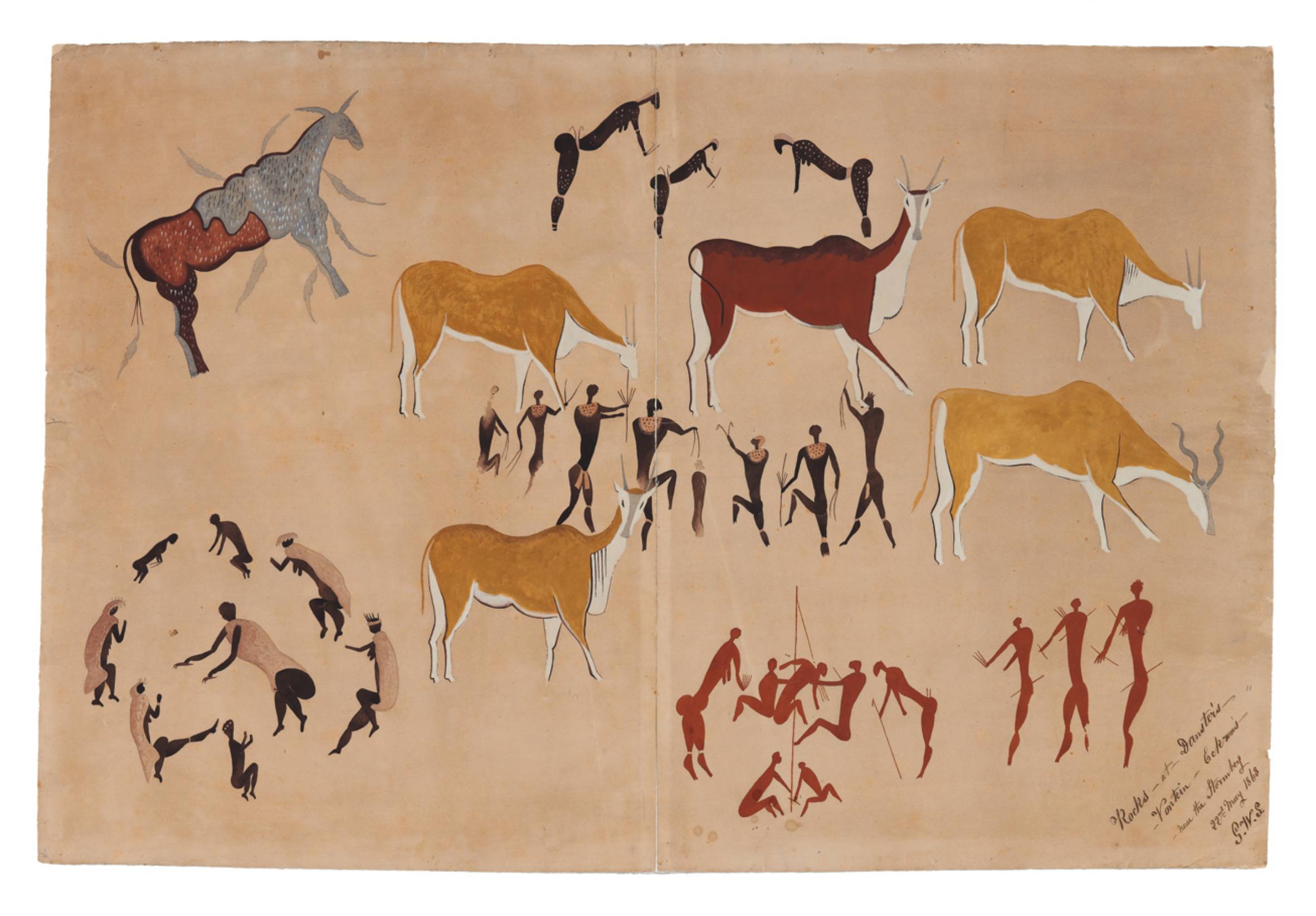
In these rituals, young girls would dance in a way that mirrored the movements and behavior of the eland, which remains one of the most sacred animals for the San.
According to Díaz-Andreu, many of these dances continued to be performed by the San all the way up to the 1970s, yet the “specific choreographies, contexts, and ritual meanings have [since] changed or disappeared due to historical disruption, colonisation, and social transformation over time.” The arrangements seen in ancient rock art therefore provide an invaluable record of these long-lost musical traditions.
The study is published in the journal Telestes.