Health and Medicine
 PUBLISHED




COVID-19-induced brain fog could be partly explained by the formation of plaques in the nervous system that resemble those found in the brains of Alzheimer’s disease patients. As well as helping scientists unpick the causes of lasting COVID symptoms, this new discovery could be useful for those investigating some of the most pressing medical questions of our time: what causes Alzheimer’s disease, and can we prevent it?
By now, many of us will be familiar with the term “brain fog”. Before COVID-19, difficulties in thinking and concentrating were reported by people with a range of chronic health conditions like fibromyalgia, those undergoing menopause, and patients in the early stages of neurodegenerative diseases like Alzheimer’s.
When SARS-CoV-2 started infecting people, brain fog was one of the primary symptoms flagged by those experiencing what we now know as long COVID. However, the mechanisms behind this symptom remain poorly understood.
The causes of Alzheimer’s disease are an even bigger, more complex mystery. There are two major proteins that have been associated with the disease, and recent years have seen something of a push-and-pull between scientists trying to determine which of the two, amyloid-β or tau, is the more important to focus on.
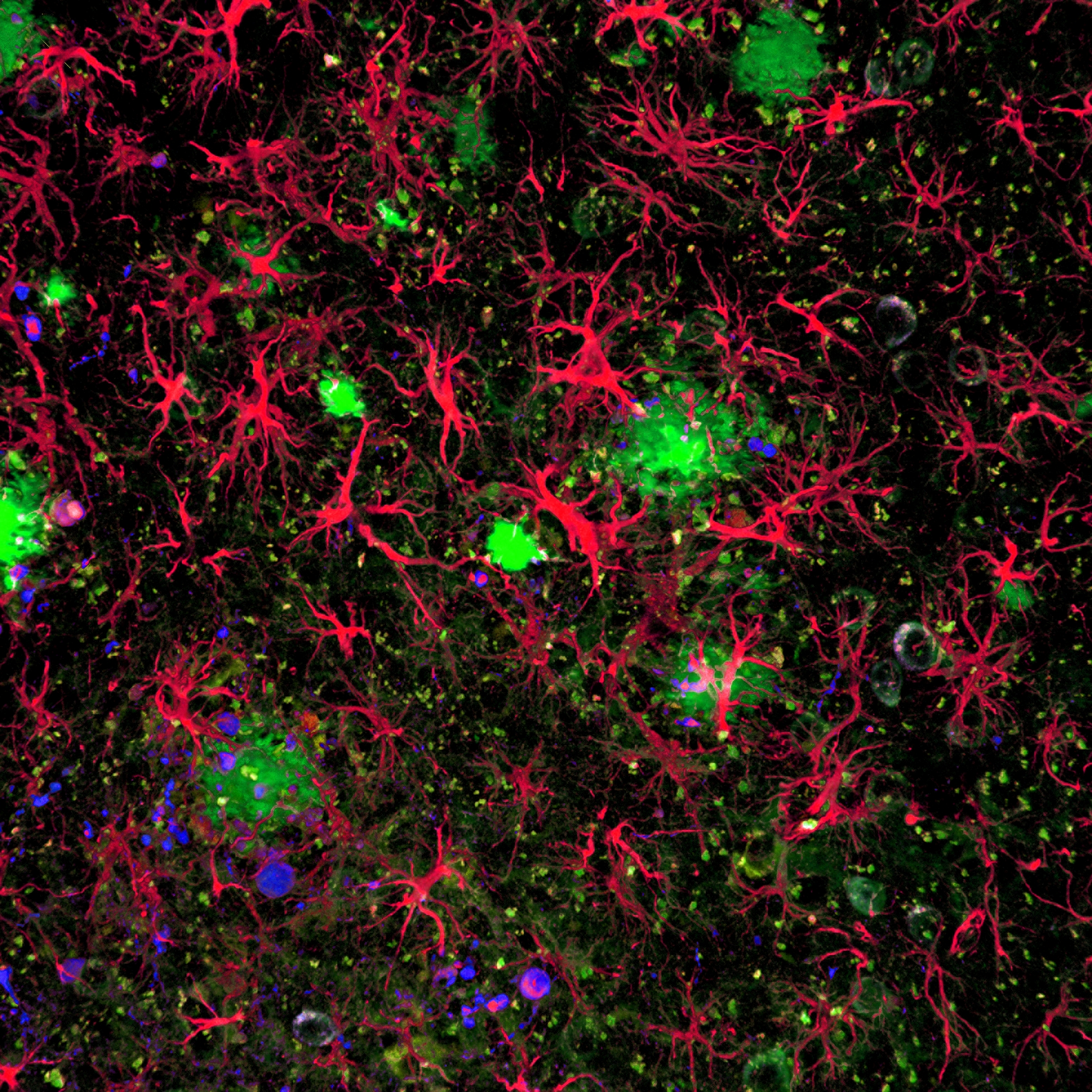
A new study led by researchers at Yale University School of Medicine has combined these open questions, investigating whether COVID-19 can cause buildup of toxic amyloid-β protein plaques in the central nervous system – just like we see in Alzheimer’s – and whether this could explain brain fog.
Instead of using animal models, the team went down a more unusual route.
The eyes are the window to… the brain?
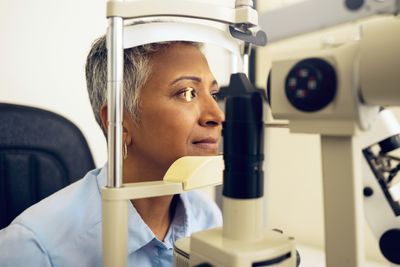
People with Alzheimer’s have high levels of amyloid-β in their brains, but the team also learned that this was the case in their retinas too. This meant they could use the retina as a more accessible way of studying the brain, so they took donated human eye tissue and grew retinal “mini-organs”, or organoids.
Add to that the fact that SARS-CoV-2 is able to infect the cells of the retina, and you’ve got yourself a really useful experimental model.
“We think that there are a lot of advantages of the human retinal organoids over animals because of the human-specific aspect of the model. We're not dealing with any species mismatch,” said senior author Brian Hafler, MD, PhD, in a statement.
They exposed the organoids to COVID spike proteins and saw that the amyloid-β levels increased.
The finding was corroborated when the team looked at retinal tissues from patients with COVID-19 who had no history of dementia. Their amyloid-β levels were higher than you would expect for the general population, coming close to what you see in Alzheimer’s patients.
One silver lining, though, was that it was apparently reversible. When the team applied an experimental drug called an NRP1 inhibitor – which are under investigation as potential anticancer drugs – they saw the amyloid accumulation decrease.
“Mechanistically, the involvement of NRP1 in amyloid beta aggregation gives a specific molecular target for future investigation,” suggested Hafler, including as a possible treatment for neurological complications after COVID-19 infection.
In terms of adding to our Alzheimer’s disease knowledge base, Hafler said the study “bolsters the amyloid beta antimicrobial hypothesis of Alzheimer’s disease, suggesting that amyloid beta could act as part of the brain's innate immune response against viral infections.”
This school of thought suggests that the formation of amyloid plaques is not inherently a bad thing on its own, but arises when the brain is trying to protect itself from microbes. If that is the case – and we’re going to need much more research to figure it out – it’s possible that infection could be a risk factor for Alzheimer’s.
The team is in the process of investigating whether COVID-19 could increase someone’s risk of Alzheimer’s down the line and, importantly, whether drugs could stop this in its tracks.
Hafler concluded, “Our ultimate goal is to prevent long-term neurological effects of COVID-19 and explore NRP1 inhibitors and other modulators of virus-host interactions as potential therapeutics for preventing viral-induced amyloid pathology and Alzheimer's disease.”
The study is published in the journal Science Advances.