Nature
 PUBLISHED


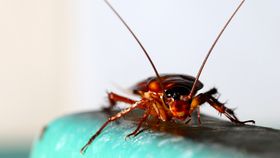


While the idea of a cockroach milkshake might not exactly get your gastric juices flowing, it’s a highly nutritious source of protein and it could be a valuable tool to ease our world’s food production woes.
Around 10 years ago, it was discovered that the stomachs of a particular type of cockroach contain milk protein crystals. This cockroach (Diploptera punctata) is the only known viviparous cockroach, meaning it gives birth to live young, which is fairly bizarre for an insect. Just like mammals, they have to feed their young with a “milk” containing protein crystals, and these crystals were found to hold a crazy amount of protein. A single crystal is estimated to contain more than three times the amount of energy found in an equivalent mass of dairy milk.
However, as you can imagine, milking cockroaches isn’t easy.
So now, an international team of scientists has developed a less demanding and potentially cheaper way to harness this cockroachy-goodness. In a new study published in July’s issue of the journal International Union of Crystallography, the researchers show off their success in sequencing the genes responsible for producing the milk protein crystals in the cockroaches gut. This breakthrough means the crystals can be produced in vitro, making the mass-production of this highly nutritious supplement a possible reality.
"The crystals are like a complete food – they have proteins, fats, and sugars. If you look into the protein sequences, they have all the essential amino acids," Sanchari Banerjee, one the researchers, told the Times Of India.
As of yet, there are no plans to make this roach milk into a commercial product, though the researchers do have plans to use a yeast system to try and produce these crystals en masse. Many are speculating that soon insects could play a major part in our diet as the world struggles under the stress of conventional food production. Although, no doubt there might be a few “image problems” when it comes to marketing.
[H/T: Munchies]