


 Health and Medicine
 PUBLISHED


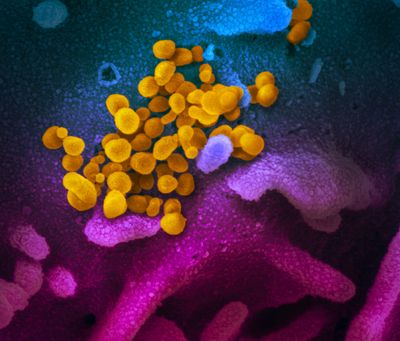


COVID-19 may leave a lasting impression on the brain, even in people who fully recover from their infection. New research reveals that even in those without the ongoing symptoms of long COVID, there can be changes in their brain structure and function as a result of a COVID infection.
When we talk about SARS-CoV-2 and COVID-19, it can be easy to focus on the respiratory symptoms; but throughout this pandemic, research has been showing us that COVID is a disease that can have effects throughout the human body, from the nervous system to the reproductive system.
Among those affected by long COVID – where symptoms persist after an initial COVID infection, sometimes for months or years – some of the most common issues they face are neurological in origin, things like brain fog and sleep disorders. There have also been studies suggesting that those who fully recover from COVID may exhibit cognitive deficits, even if they themselves report no symptoms.
The new study adds to this body of work by suggesting that even in those who appear to come through COVID with no lasting problems, the virus may still have left its mark on their brains.
“We used multimodal MRI techniques to examine both grey and white matter brain regions critical for memory, cognition and overall brain health and found clear differences across all participant groups,” explained lead author Dr Kiran Thapaliya of Griffith University in a statement.
The study, conducted at the National Centre for Neuroimmunology and Emerging Diseases in Australia, included 19 participants with a diagnosis of long COVID and a control group. Among the 27 healthy controls, 16 had no known history of SARS-Cov-2 infection, while the remaining 12 had been infected but had no lasting symptoms.
All participants underwent MRI brain scans using the same protocols.
“The unique MRI approach identified significant alterations in brain neurochemicals, brain signal intensity, and tissue structure not only in individuals with long COVID but also in those who considered themselves fully recovered,” Dr Thapaliya said.
“The research also reported that altered brain tissue was associated with symptom severity in individuals with long COVID, suggesting the virus may leave a silent, lasting effect on brain health.”
For example, higher myelin signal intensity was observed in the precentral and middle temporal gyri in those with long COVID, which the authors suggest could be an indication of remyelination in these regions – in other words, the brain’s attempt to compensate for damage.
Similarly, higher signal intensities were observed in some regions in those who had recovered from COVID versus those who never had the disease, suggesting compensatory changes in the brain after infection.
Another region that was particularly altered in those with long COVID was the brainstem. This chimes with other research that has implicated the brainstem in both long COVID and ME/CFS.
As well as structural changes, the researchers identified metabolic imbalances between long COVID and recovered patients, which were found to correlate with the severity and pattern of symptoms in those with long COVID. To date, hundreds of individual symptoms have been associated with the condition, and scientists are still working to try and tease out who is most at risk, and what factors affect how someone’s symptoms may appear.
The study was intended to be exploratory, and further research will be needed in larger cohorts to validate the findings. COVID remains a public health concern, and the idea that it could impact the brain – even in those who appear unscathed from their brush with the virus – is one that merits more investigation.
“This study clearly shows that even individuals who do not experience any symptoms after recovering from COVID-19 may still have long-term effects of the virus on the brain,” Dr Thapaliya told PsyPost.
The study is published in the journal Brain, Behavior, & Immunity – Health.



 2
2