Nature
 PUBLISHED




This article first appeared in Issue 15 of our free digital magazine CURIOUS.
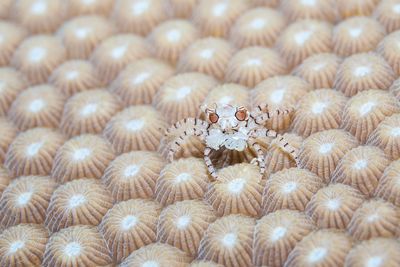
Boxing and cheerleading collide in the case of the pom-pom crab (Lybia edmondsoni). Also known as the boxer crab, it has evolved to use the stinging power of anemones to its advantage by holding the venomous species Triactis producta in each claw.
The defense mechanism increases feeding opportunities for the anemone as it’s waved through the water, but there’s a price. If the crab loses an anemone, it can rip the remaining one in half as a thrifty way of regaining a second pom-pom. Savage, but effective.
Subscribe to our newsletter and get every issue of CURIOUS delivered to your inbox free each month.
As if being ripped in half wasn't enough, this practice has resulted in T. producta having low genetic diversity; it causes the anemones to asexually reproduce, meaning they're all clones of each other. On the upside, previous research has suggested that living as a boxing glove for crabs does provide the anemones with more access to food and oxygen than they'd be able to get on their own.
Whilst their strength is mighty (albeit enhanced by their pom-poms), the crabs themselves aren’t heavyweights when it comes to size, with a carapace reaching only 13 millimeters (0.5 inches). But what their body lacks in size, it more than makes up for in appearance; pom-pom crabs sport thin black rings around their legs, and a colorful pattern of polygons on their carapace.
CURIOUS magazine is a digital magazine from IFLScience featuring interviews, experts, deep dives, fun facts, news, book excerpts, and much more. Issue 18 is out now.