Health and Medicine
 PUBLISHED
 1
1


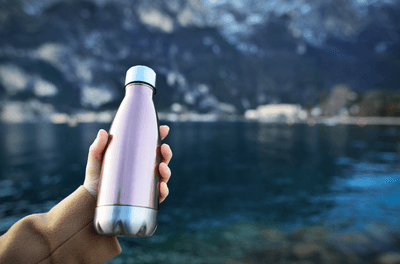


Fueled by environmental concerns, the anti-plastic movement, and the viral influence of hydration-obsessed self-care gurus, reusable water bottles have become the must-have accessory of our time. One poll found that up to 60 percent of American adults now use one. As eco-friendly as they might be, multi-use bottles might be harboring a dirty secret.
That’s because reusable water bottles can become a hive for microbes, including some harmful bacteria, viruses, and fungi that could potentially make you sick.
The water itself isn’t the problem (as long as you’re refilling it with clean water regularly). The real issue lies in your mouth repeatedly making contact with the bottle, transferring countless microorganisms, bits of food, bodily fluids, and other debris with each sip. Once inside the bottle, the damp environment can be a breeding ground for these microscopic “bugs.”
How many bacteria are in a reusable water bottle?
A 2017 study led by researchers at Purdue University tested 90 reusable water bottles and found that most were crawling with bacteria. Around 70 percent had bacteria levels higher than what some countries allow in drinking water, while 60 percent were so contaminated that they exceeded even the highest safety limits.
Even more concerning, nearly a quarter of the bottles contained coliform bacteria. These bacteria – such as Campylobacter, E. coli, and Salmonella – are found in the digestive tracts of animals, including humans, and are linked to foodborne illnesses. Some bottles had alarmingly high levels, suggesting they could pose serious health risks if not cleaned properly.
The researchers also showed that glass bottles had the lowest contamination levels, likely because they are easy to clean and non-porous. Furthermore, bottles used for beverages other than water (e.g., coffee, tea, soda, fruit juice, etc) showed higher bacterial growth because the liquid’s sugars and nutrients provide “food” for the germs.
How often do people wash their reusable water bottles?
The same study found that the majority of people (84 percent) clean their water bottles to some extent, but it seems that most weren't doing a satisfactory job. Just over 46 percent of respondents rinsed the bottle daily, while over 30 percent went a week or more between washes. Shockingly, 15 percent never cleaned theirs at all, and 40 percent washed it monthly.
The key to solving this problem is regular cleaning (and not just a quick rinse). Another study found that the average reusable bottle contains around 75,000 bacteria per milliliter of liquid, but that bacteria number “quickly increases” to up to 2 million just one day later.
How to clean a reusable water bottle
A quick rinse with water won’t be enough to remove all microbial threats, either. Experts recommend that you freshen up your reusable bottle with a thorough clean, ideally each day you use it:
- Wash the water cup thoroughly with hot water and dish soap.
- Scrub all areas, including the inside, outside, and any small crevices where microbes may hide.
- Rinse well with clean water to remove all soapy residue.
- Give it a wipe with commercial sanitizer specifically designed for food contact surfaces to eliminate any lingering bacteria or mold.
- Make sure the cup is allowed to completely air dry before using it again.
Some people use specialized water bottle cleaning tablets, which typically contain ingredients like baking soda and citric acid to eliminate bacteria and mold. However, there is limited peer-reviewed research confirming their effectiveness.
“It is important to clean any rubber sealing parts, straws, or lids that may have crevices where moisture can accumulate — these areas can be hot spots for mold growth if not properly cleaned and dried. Inspect them regularly for any signs of mold or mildew growth, and immediately clean and sanitize the cups again if found,” Benjamin Turner, instructor in the University of Alabama at Birmingham’s Department of Biology, said in a statement.