Health and Medicine
 PUBLISHED



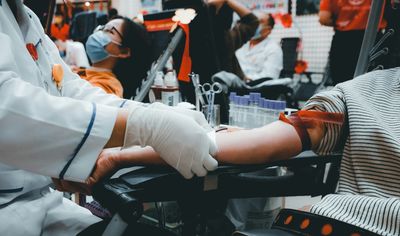


The robots are coming for your blood! But don’t fret, it’s all part of a new medical technology that claims it could ease the shortage of phlebotomists in the medical world.
The US Food and Drug Administration has recently authorized the first robotic device that can draw blood samples from a patient’s arm without a hands-on human operator.
The contraption is made by Viestro, a medical robotics company from the Netherlands. They named it Aletta after Dr Alleta Jacobs, a Dutch women's rights activist and one of the country's first female physicians in the 19th century.
How does the Aletta machine work?
Imagine Aletta as a big white box plonked next to a dentist's chair that's able to perform diagnostic venous blood sampling.
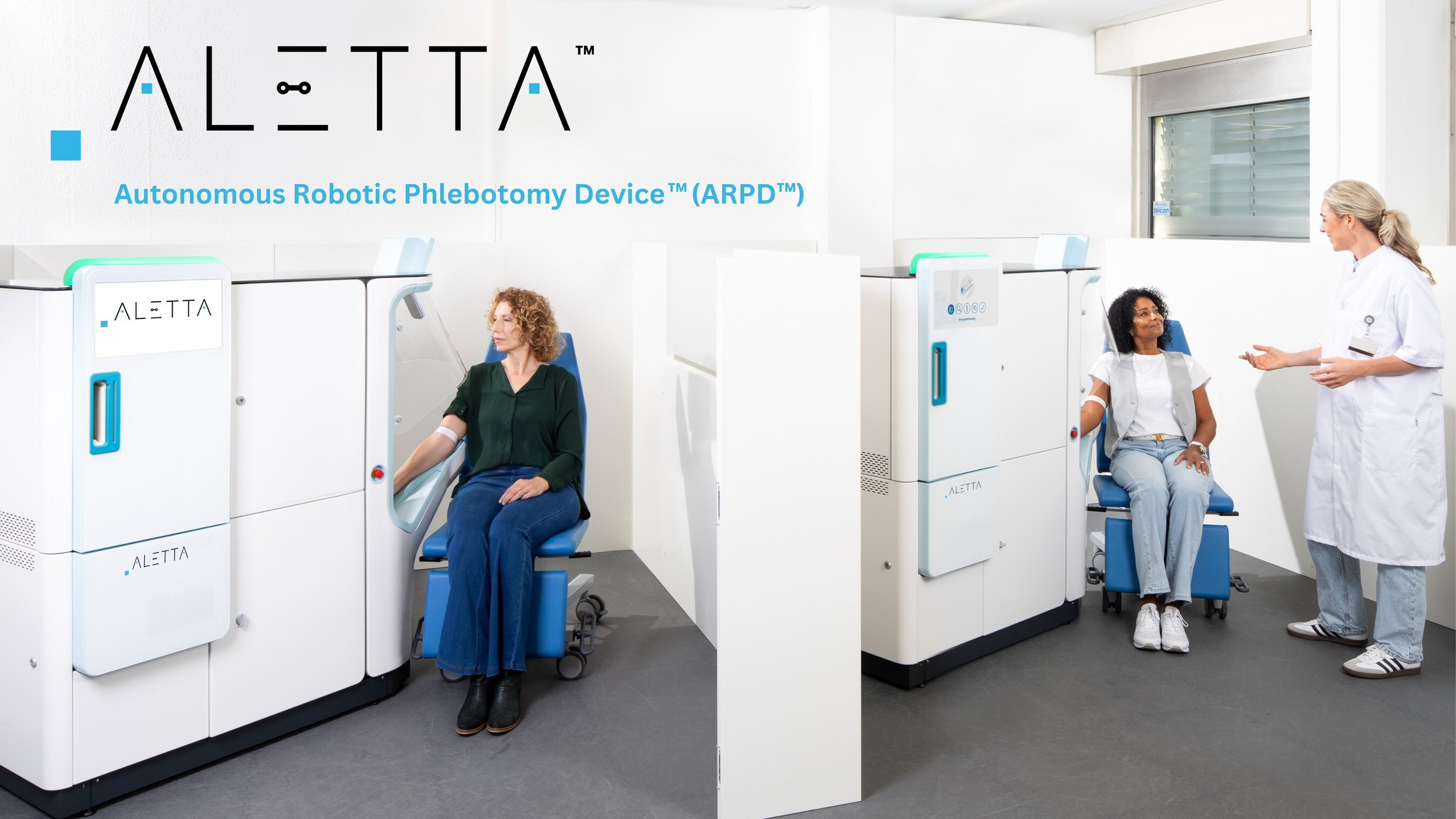
The patient places their arm on a rest, and the machine uses AI-powered Doppler ultrasound and imaging technology to find a suitable vein. Once that’s identified, a tourniquet will wrap around the arm and a robotically controlled needle will be inserted into the vein to draw the blood.
Sterilization is applied throughout the process, and the machine has been designed to automatically detach and stop the process if the patient is moving around too much.
Finally, a bandage will be applied, after which a human phlebotomist will confirm the procedure has gone to plan (essentially check there have been no screw-ups) and ensure the samples are organized correctly.
Patients quite like Aletta, apparently
Clinical trial data suggests Aletta can achieve this whole process on the first attempt over 94 percent of the time.
Furthermore, 90 percent of patients said the procedure was either less or similarly painful to manual phlebotomy, while 82 percent said they had no preference whether their blood draw was by a human or Aletta.
The Dutch device has already passed EU health, safety, and environmental protection standards and has been approved for pre-commercial use across Europe.
The FDA said the machine met all their own safety criteria, and the data provided by Viestro suggests the machine can perform the task at a quality that is “comparable to or better than trained human phlebotomists.”
The end of phlebotomists? Probably not yet
They suggest the device isn’t being devised to replace human phlebotomists altogether, but it could help to make their work more efficient.
The FDA claims that one phlebotomist can supervise three Aletta devices at the same time, which they suggest “may help address the current phlebotomist shortage in the US.”
“Blood draws are one of the most commonly performed medical procedures in the United States, yet patients may face delays due to a growing shortage of trained phlebotomists,” Michelle Tarver, Director of the FDA’s Center for Devices and Radiological Health, said in a statement.
“This authorization reflects the FDA’s commitment to advancing innovative medical devices that help meet a critical public health need while maintaining the safety and effectiveness patients deserve,” she said.