Nature
 PUBLISHED


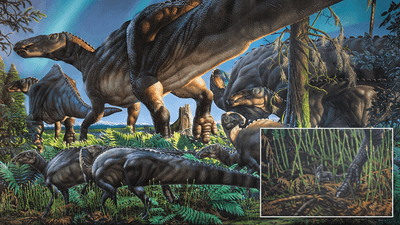


Seventy-three million years ago, in Alaska's dark and frozen landscape, a group of small, rodent-like creatures was quietly thriving and diversifying, exemplifying how the Arctic region played a greater role in evolution than previously thought.
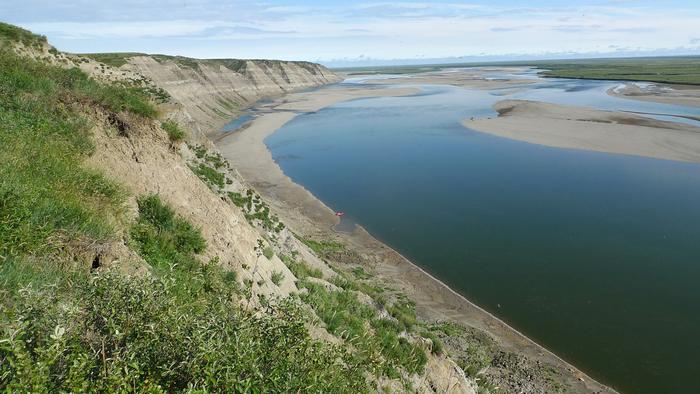
The three new species, which belonged to a once mighty but now extinct branch of the mammalian family tree, were identified through fossilized teeth discovered in the Prince Creek Formation in the far north of Alaska, deep within the Arctic Circle.
The researchers who described them say that the diversity in these animals' teeth suggests that the Arctic's harsh environment acted like a "crucible" for evolution, forcing species to adapt if they wanted to survive.
"While the polar regions don't host the same level of biodiversity as the tropics, they were still very active places for life to flourish, extending far back into deep time," said Sarah Shelley at the University of Lincoln, who was involved with the study as a postdoctoral researcher at the University of Colorado Boulder, in a statement.
The intrepid little mammals in question were members of a diverse group called the multituberculates, so called for the characteristic protrusions, or tubercles, on their teeth. The researchers have named them Camurodon borealis, which roughly translates to “Northern curved-tooth”; Qayaqgruk peregrinus, or “the little wandering hero”; and Kaniqsiqcosmodon polaris, meaning “polar frost ornamented tooth.”
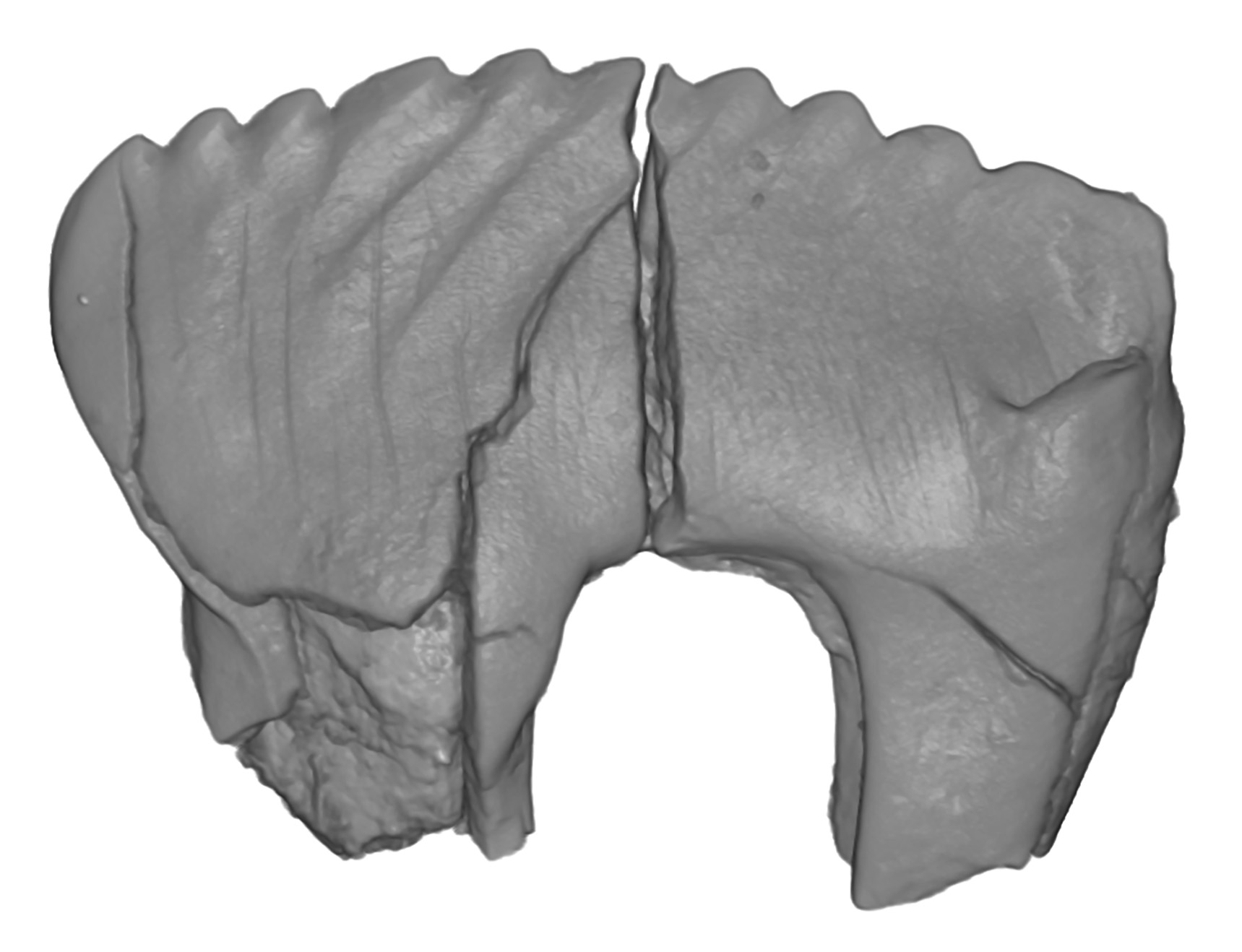
Multituberculates were the longest-lived group of mammals in Earth's history, persisting for more than 100 million years from the Jurassic until the end of the Eocene epoch 35 million years ago. It is thought that they branched off the family tree sometime after the monotremes – the group that includes echidnas and platypuses – but before the split between placental mammals and marsupials. Though none have survived to the present day, the little guys had a very impressive run that puts our measly 300,000 years to shame.
C. borealis had the teeth of a herbivore, while Q. peregrinus was an omnivore that probably fed on insects along with some plants, write the researchers. K. polaris also appears to have been an omnivore, but might have eaten mostly plants.
These differences, the team argues, suggest these species occupied different ecological niches in their unforgiving surroundings, which would have seen up to four months of winter darkness, a mean annual temperature of just 6°C (42°F), and heavy snowfall. They hypothesize that such a harsh environment favored natural selection for novel adaptations, driving the creatures that lived there to subdivide into smaller populations and become evolutionary innovators.
"There's a lot of diversity in the multituberculate group. They lived for an incredibly long time, and I think they can reveal a lot about the resilience of mammals, not just to the mass extinction, but also to climatic stresses that many organisms are facing today,” said Shelley.
That resilience is particularly evident in Q. peregrinus, which the researchers found to be closely related to a group of multituberculates from what is now Mongolia, suggesting its ancestors traveled across a land bridge from Asia to North America. Shelley estimates that this would have happened some 92 million years ago, making it one of the earliest known examples of mammals crossing between continents.
Many Mongolian species of multituberculate bear the term bataar in their species name, which is Mongolian for hero, making Q. peregrinus's epithet of the "little wandering hero" even more appropriate.
The Prince Creek Formation has already proven a remarkably productive source of Late Cretaceous Arctic life, with fossils of large herbivores, predators, and now small mammals painting a rich picture of a thriving polar ecosystem some 70 million years ago.
"These three new mammal species add to a growing body of evidence that this ancient Arctic region was home to unique, polar-adapted species," said Patrick Druckenmiller, a palaeontologist at the University of Alaska Fairbanks, who has worked on this and many other studies of the site's fossils
The study is published in the Proceedings of the National Academy of Sciences.

 1
1