Nature
 PUBLISHED


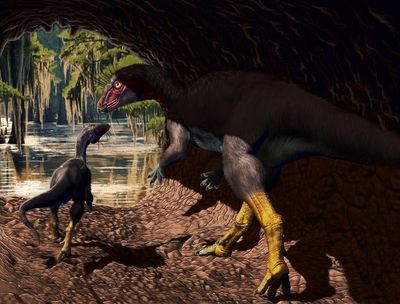


When you picture dinosaurs you probably imagine huge, fearsome beasts chilling above the ground – but not all dinos fit this bill, as one small, semi-subterranean species that has been freshly discovered proves.
Fona herzogae, as the new species has been named, lived 99 million years ago in what is now Utah – and it spent at least part of its time burrowing underground.
Unearthed in the Mussentuchit Member of the Cedar Mountain Formation, Fona had some funky features and was also incredibly well preserved, which tipped palaeontologists off that something strange was afoot.
“Fona is often found complete, with many of its bones preserved in the original death pose, chest down with splayed forelimbs, and in exceptionally good condition,” Haviv Avrahami, first author of a study describing the discovery, said in a statement. “If it had already been underground in a burrow before death, it would have made this type of preservation more likely.”
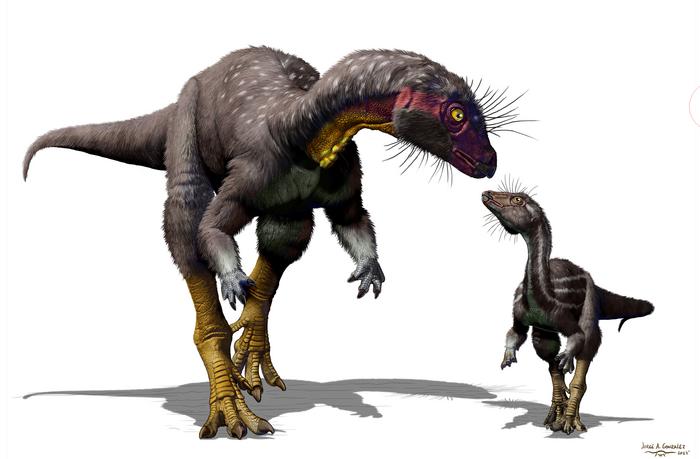
In addition to its unexpectedly good preservation, Fona was well-adapted to life below the surface. It was small-bodied – roughly the size of a dog – with a simple body plan and no fancy headgear or other outlandish appendages. Instead, it had large bicep muscles, strong muscle attachment points on the hips and legs, fused bones along the pelvis, and hindlimbs that were proportionally larger than the forelimbs – all of which are features shared with animals known for digging or burrowing.
All in all, the researchers think this points to the lil’ dino being semi-fossorial – meaning it burrows part of the time.
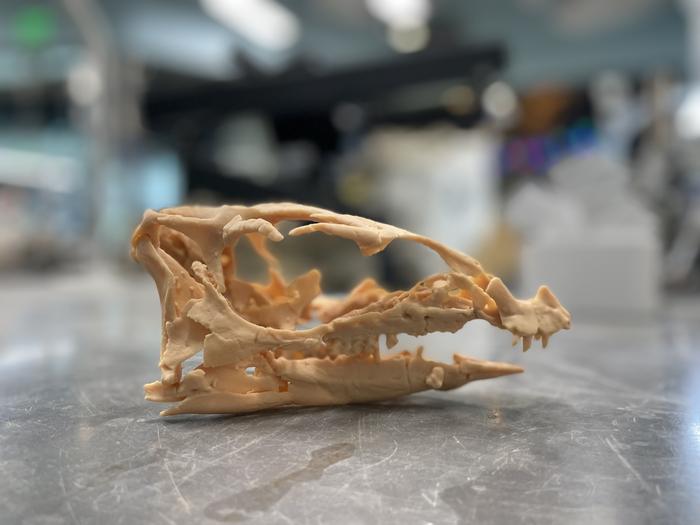
“Fona skeletons are way more common in this area than we would predict for a small animal with fragile bones,” corresponding author Lindsay Zanno explained. “The best explanation for why we find so many of them, and recover them in small bundles of multiple individuals, is that they were living at least part of the time underground. Essentially, Fona did the hard work for us, by burying itself all over this area.”
While the tunnels and chambers of this digging dinosaur are yet to be discovered, palaeontologists have previously discovered those of its closest relative, Oryctodromeus, in Idaho and Montana. Fona and Oryctodromeus have a number of anatomical features in common, which further suggests they shared a semi-fossorial lifestyle
As for what Fona looked like, Avrahami believes it was “most likely covered in a downy coat of colorful feathers” – sounds like a slay to us.
Alongside expanding our knowledge of subterranean dinosaurs and dino diversity in general, the discovery sheds light on life during the mid-Cretaceous – both above and below ground.
“Fona gives us insight into the third dimension an animal can occupy by moving underground,” said Avrahami. “It adds to the richness of the fossil record and expands the known diversity of small-bodied herbivores, which remain poorly understood despite being incredibly integral components of Cretaceous ecosystems.”
It also highlights just how narrow-minded we’ve become in our view of dinosaurs – even though they’re literally still all around us.
“People tend to have a myopic view of dinosaurs that hasn’t kept up with the science,” Zanno concluded. “We now know that dinosaur diversity ran the gamut from tiny arboreal gliders and nocturnal hunters, to sloth-like grazers, and yes, even subterranean shelterers.”
The study is published in The Anatomical Record.



 1
1