Health and Medicine
 PUBLISHED




US health officials are alerting the public to two separate outbreaks of Salmonella linked to supplement products containing moringa leaf. There have now been 22 new cases reported across four new states, prompting the reopening of a previous outbreak alert that started back in January.
The Centers for Disease Control and Prevention (CDC) is warning consumers about products from four different brands: TNVitamins, Doctor’s Pride, Why Not Natural, and Live It Up. All of the affected products contain moringa leaf as an ingredient. Full details of which products and batch numbers are being recalled can be found in this outbreak alert.
What is moringa and why is it in supplements?
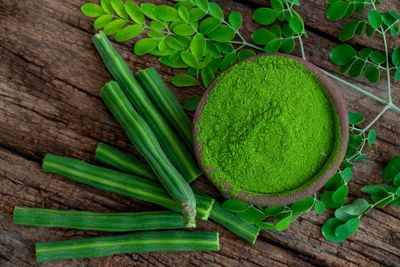
Both the leaves and seed pods (drumsticks) of the moringa tree (Moringa oleifera) are eaten, and the seeds themselves can even be used as a seasoning. Some class the leaves as a “superfood”, with a nutritional profile similar to spinach. The plant is even sometimes referred to as the “miracle tree”.
Moringa leaves and drumsticks contain lots of essential minerals, vitamins, and fiber, so like other leafy greens can be a great addition to a balanced diet. This is why moringa may be included in products like greens powders or capsules.
The plant is extremely drought tolerant, so can be grown successfully as a food crop in harsh environments that other plants might not cope with. In traditional medicine practices, moringa is believed to be a treatment for a whole range of conditions, from toothache to parasitic infections.
There’s some scientific evidence to support the possibility that moringa could have specific health benefits, but most of this is in preclinical studies in the lab or on animals, so there’s not a conclusive evidence base in humans to support its use in medicine.
Ironically, one of the potential uses for moringa that has been investigated in the lab is as an antimicrobial against certain foodborne pathogens. Right now, however, it’s Salmonella contamination of moringa supplements that the CDC is worried about.
Why Salmonella is a problem
Up to now, 119 people have gotten sick from moringa products in this outbreak. The CDC notes that this is probably an underestimate, as not all infected people will have required medical treatment or been tested for bacteria.
The highest caseloads have been in Minnesota and Wisconsin, with at least one case cropping up in 34 other states.
“Of 109 people with information available, 32 have been hospitalized. No deaths have been reported,” reports the CDC.
Salmonella bacteria infections cause severe diarrhea and stomach cramps. Some people will also develop headaches, nausea, and vomiting. These symptoms usually appear between six hours and six days after infection, so it can be difficult to pin down a cause.
The symptoms will normally clear up within four to seven days, but the diarrhea can last for several months and there’s also a risk of the infection spreading to other parts of the body and causing serious illness. A small proportion of people will develop reactive arthritis after Salmonella infection, which can last for years afterwards.
The risks of serious illness are highest in under-5s, over-65s, and people with compromised immune systems. But honestly, it sounds pretty grim for anyone from where we’re standing – that’s why the CDC emphasizes prevention wherever possible.
How else do people get Salmonella?
Product recalls like this don’t happen every day, but the risk of foodborne bacteria like Salmonella is something we do encounter in daily life. Thankfully, some simple prevention strategies can help us stay safe.
Many of the riskier foods are things people will be well aware of. Poultry, meat, seafood, and eggs should all be cooked thoroughly and handled with care to avoid cross-contamination during preparation – hand and kitchen surface hygiene is key.
Avoid consuming raw dough or batter made with uncooked flour (we know, cookie dough is delicious, but it’s also on the CDC’s list of riskier foods, sorry!).
Raw, unpasteurized milk and dairy products also carry a much higher risk of foodborne illness, which can have devastating consequences.
But here’s one you might not expect: the humble melon.
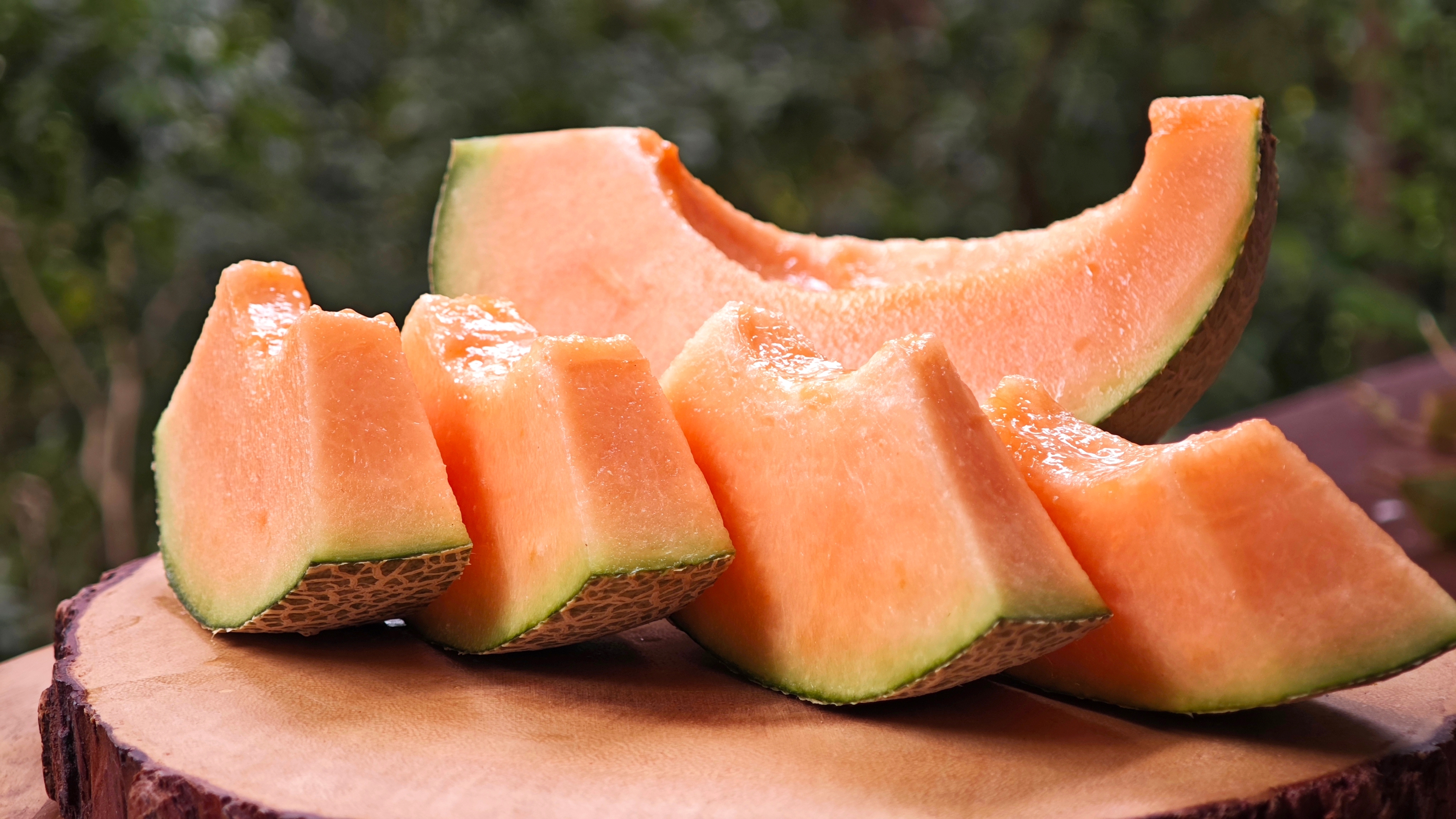
Cut melon makes it onto the list of riskier foods for a couple of reasons. One, the fruits are grown close to the ground, putting them at risk of contamination from things like soil and manure. Two, their rough rind provides handy hiding places for microbes to latch onto. If you cut into a melon without thoroughly washing the surface, some of those microbes can end up on the inside.
“Cantaloupe is at greater risk of contamination because of its unique netted rind,” adds Health Canada. “The spaces between the netting can trap bacteria and make them harder to remove.”
To minimize the risk, ensure that any cut melon you buy is refrigerated, and that you also store it in the refrigerator until you’re ready to eat it. Any cut melon that’s been sitting out at room temperature for more than two hours should be discarded.
If you’re preparing your own melon, Health Canada suggests that you “thoroughly scrub the entire melon under cool running water using a clean produce brush” before cutting, and always wash your hands before and after handling them.
We know it’s a lot to think about when you just fancy some cooling melon on a hot day – but a bit of extra prep time is probably worth it if the alternative is even the slight possibility of months of diarrhea. Right?
The content of this article is not intended to be a substitute for professional medical advice, diagnosis, or treatment. Always seek the advice of qualified health providers with questions you may have regarding medical conditions.