Nature
 PUBLISHED


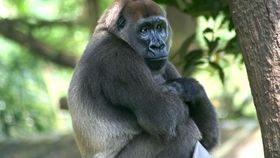


Wildlife conservationists have taken up the fight to protect the Cross River gorilla, the world’s most scarce great ape, which could face a major struggle to survive if the Nigerian government goes ahead with plans to build a new highway through its territory.
Occupying a small patch of highland forest on the border between Nigeria and Cameroon, the Cross River gorilla is a unique subspecies that differs from nearby populations of western lowland gorillas in skull and tooth dimension. Less than 300 are currently estimated to be alive.
Yet in spite of the clear need to protect the gorilla, Nigerian authorities recently began work to clear a corridor through the forest in preparation for the creation of a 260-kilometer (162-mile) highway, running from the seaport of Bakassi to Benue state. Featuring six lanes and Wi-Fi along much of its route, the new road is being built in an effort to stimulate economic growth and promote tourism in the region.
However, the Wildlife Conservation Society (WCS) has launched a campaign to prevent the construction of the highway, by pressuring the Nigerian government to seek an alternative route that doesn’t cut through protected areas.
"We implore the Cross River State government to reconsider the proposed highway and explore other ways of improving the state's infrastructure," said Andrew Dunn, Director for WCS's Nigeria Country Program, in a statement. "The project as it stands will displace more than 180 local communities and greatly diminish the country's natural heritage."
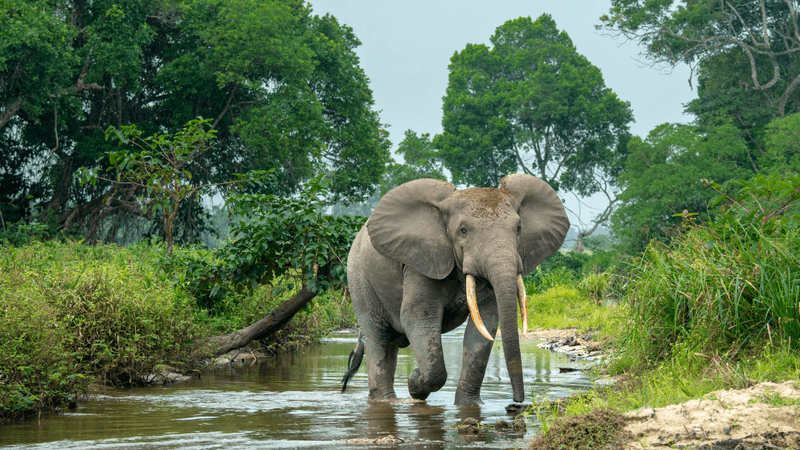
Aside from threatening the existence of the Cross River gorilla, the road will also cause the destruction of habitats that are vital for animals such as forest elephants, pangolins, Nigeria-Cameroon chimpanzees, and drills, which are related to baboons.
WCS has put together an online petition urging the authorities to reconsider their plan, and gained more than 41,000 signatures in the first two weeks of campaigning.