Humans
 PUBLISHED
 2
2


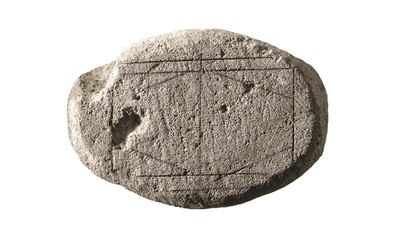


Artificial Intelligence (AI) has been able to crack the rules of a mysterious Roman board game that’s been lost to history for over 1,500 years. By analysing the scratches on a weathered limestone slab, researchers were able to reverse-engineer the strategic moves of players who squabbled over this game during the Roman Empire. Possibly.
The white limestone slab, known as Object 04433, was unearthed at a site in Heerlen, The Netherlands, and dates to a time when the town was a Roman settlement called Coriovallum. Founded during the reign of Emperor Augustus (27 BCE–14 CE) and inhabited until the fall of the Western Roman Empire in 476 CE, the settlement’s history suggests the object is at least 1,550 years old.
The block’s purpose has been debated for many years. Some interpreted it as a decorative architectural feature, perhaps a building fragment or a paving stone. However, new research provides compelling evidence that the slab was actually a sophisticated plaything.
“We identified the object as a game because of the geometric pattern on its upper face and because of evidence that it was deliberately shaped, Dr Walter Crist, lead author of the research from Leiden University, said in a statement sent to IFLScience. “Further evidence that it was a game was presented by visible damage on the surface that would be consistent with abrasion caused by sliding Roman-era game pieces on the surface.”
While board games have existed in nearly every culture since the Bronze Age, they rarely survive in the archaeological record. Many were played with perishable materials, like sticks and stones, or drawn directly into dirt and sand, meaning there’s very little physical evidence to draw from.
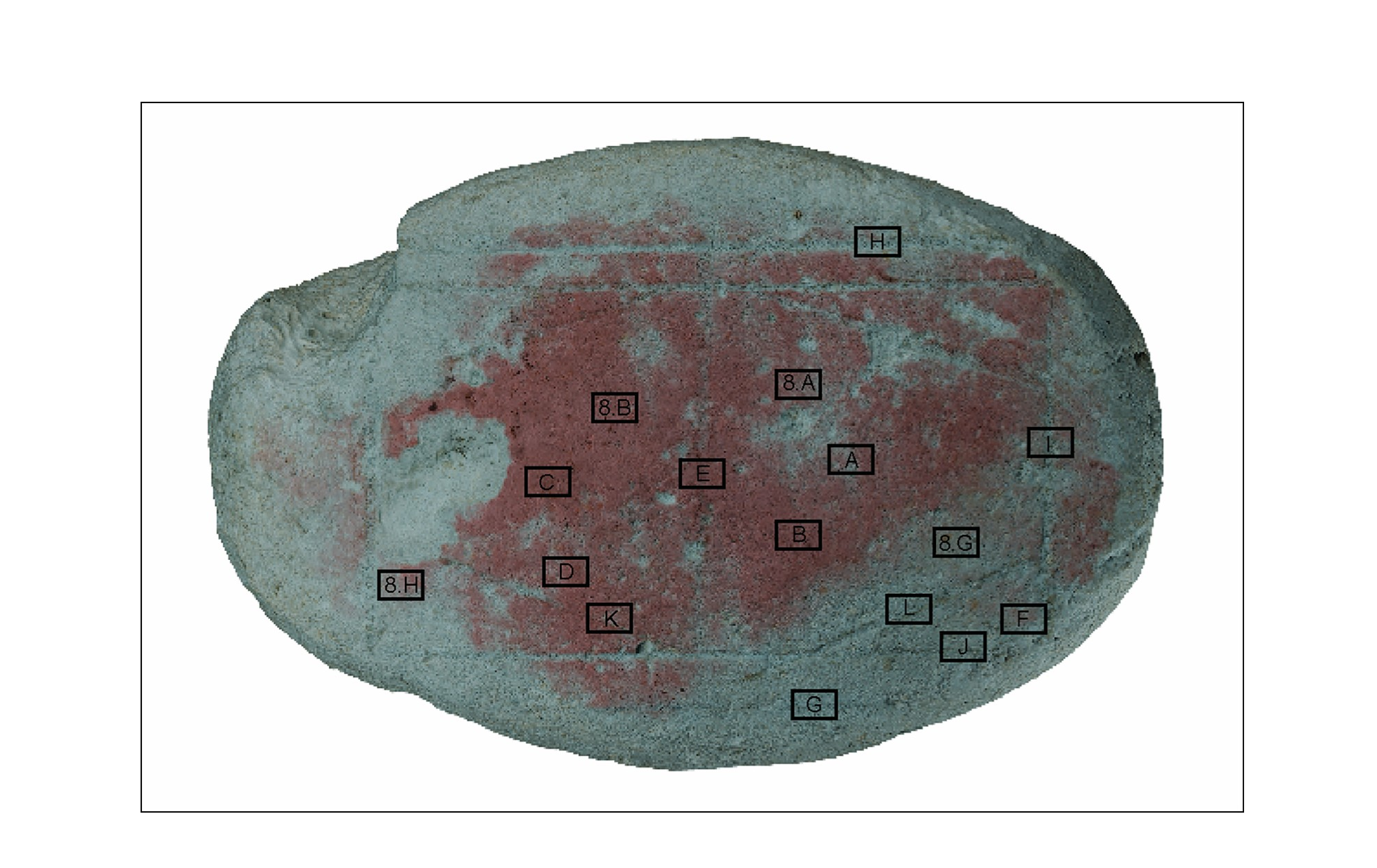
Since Object 04433 does not match any known game, researchers turned to an AI system called Ludii, which simulated thousands of possible rule sets to see which ones would result in the specific scratch marks found on the stone. For instance, deep grooves suggest common, fundamental moves, whereas faint lines indicate valid but less frequent maneuvers.
“The damage was unevenly distributed along the lines of the board,” explains Crist. “We sought to answer the question of whether we could use AI-driven simulated play as a tool to discover playing rules that would replicate this disproportionate pattern of use wear on the surface of this board with rules similar to those documented for other small games in Europe, thus confirming that the object was likely to have been a game board.”
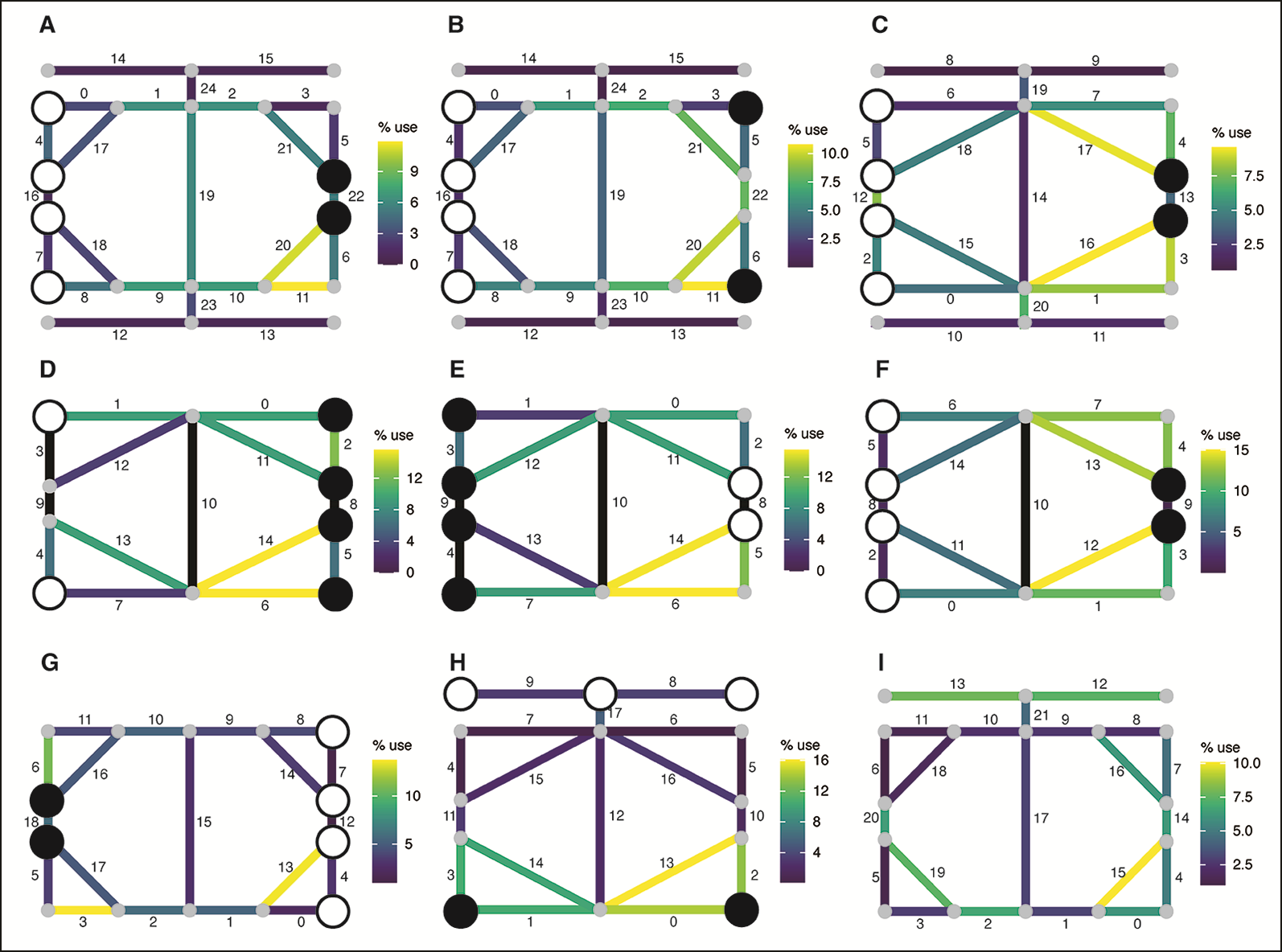
This revealed that the stone chunk was most likely used to play a blocking game, in which players aim to obstruct the movement of their opponent until they’re backed into a corner with nowhere else to move. Oddly, though, this form of game is incredibly rare in Europe and only documented from the Middle Ages onwards, indicating that Object 04433 may be an exceptional case.
It’s the first time AI has been used to unwind the movements once placed on an ancient piece of rock, but they believe their methods could have much wider applications, even beyond board games.
“This is the first time that AI-driven simulated play has been used in concert with archaeological methods to identify a board game,” Crist concludes. “This research provides archaeologists with the tools to be able to identify games from ancient cultures that are unusual or uncommonly played, since current methods for identification rely on connecting the geometric patterns that make up the playing surface to games that are known today from references in text, or from artistic representations of them.”
The new study is published in the journal Antiquity.