Nature
 PUBLISHED


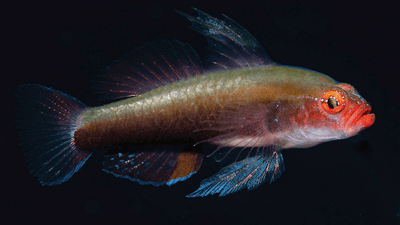


Take a dip under the waves and you never know what you might discover. From dancing sea pigs to manta rays deep-diving, the world’s oceans hold all kinds of surprises. For researchers off the coast of Papua New Guinea, it was the discovery of a shimmering new fish species: Eviota bella.
Dwarfgobies in this genus are all typically under 18 millimeters (0.7 inches) long and occur in relatively large numbers on coral reefs, though observing them is tricky due to their size. Each member of the existing four species in its complex has a different pattern around the eyes, which helps identify them from each other and was a major clue in starting to realize that this new species was different from the others.
Given its scientific species name bella – Latin for beautiful – the "beautiful dwarfgoby" as it is commonly known is quite the stunner. The iridescent sheen helped the team see the fish in the first place and closer investigation revealed a bright orange body with pink and blue fins and a series of white dots over the eyes.
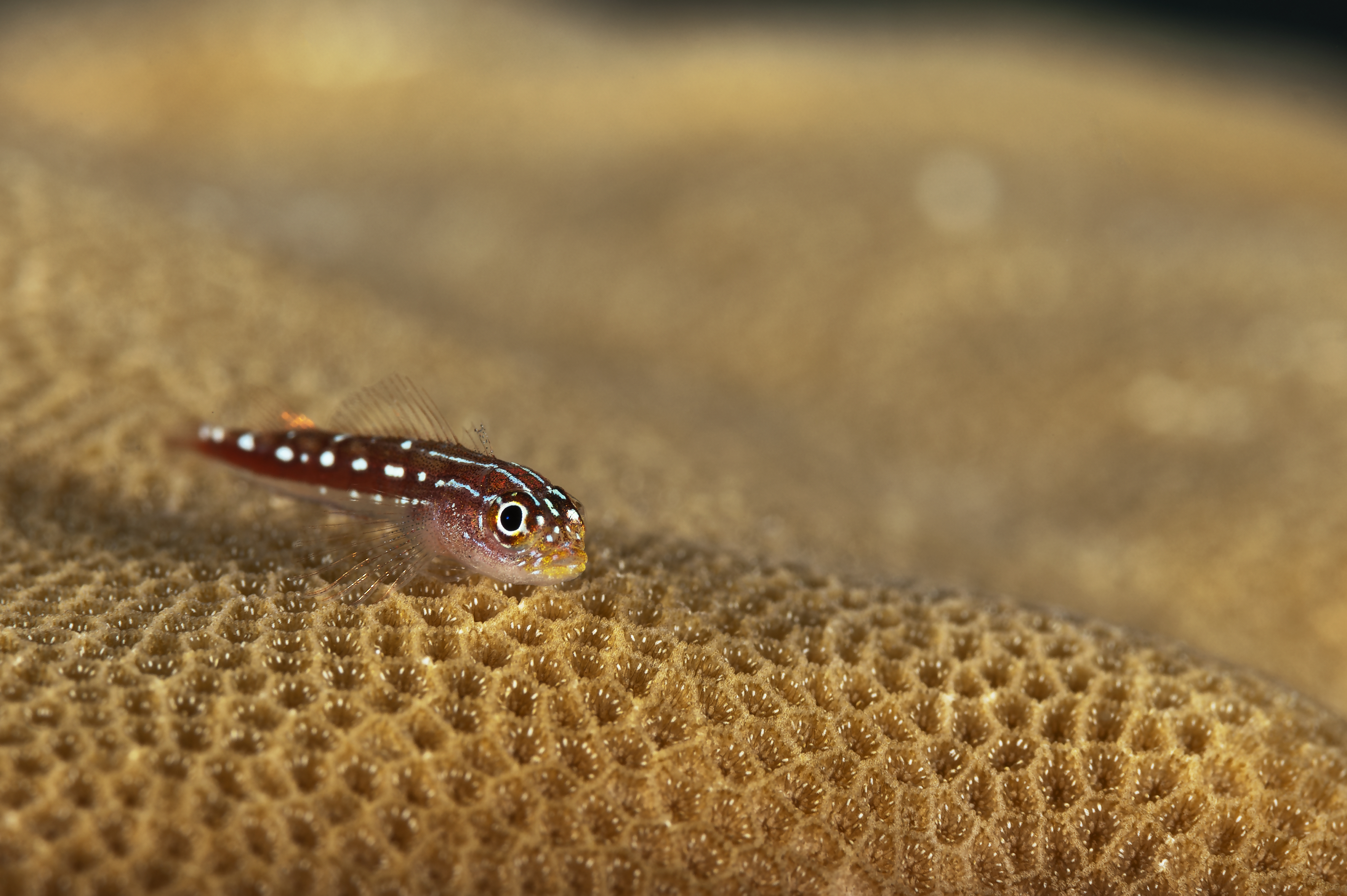
Despite its name and coloring, the fish doesn’t quite live up to being beautiful all over, with a face and head described as “sloping”, “slanted”, and “projecting” by the authors.
The new species was found in groups of three to 30 in depths around 4-15 meters (13-49 feet), and likes to inhabit Acropora coral colonies. It was found in the Milne Bay and Oro Provinces in southeast Papua New Guinea. The new species lives within an area that houses another from the same genus, E. dorsopurpurea.
Species in this genus are typically short-lived and can reach sexual maturity in a matter of weeks. They are also capable of producing large numbers of larvae. Members of the Eviota genus are listed as both Least Concern and Data Deficiency by the IUCN, which reports no direct threats but a possible interest to the aquarium trade.
The study is published in the Journal of the Ocean Science Foundation.