Nature
 PUBLISHED
 4
4



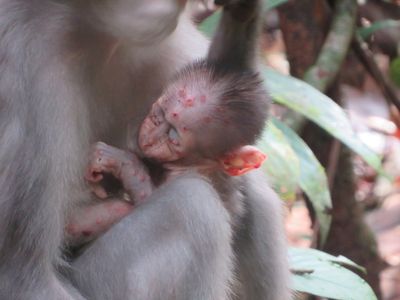


For the first time, researchers have captured direct evidence of the monkeypox virus (MPXV) jumping between two wild animal species. Detecting interspecies transmission in the wild is notoriously difficult, but this remarkable piece of scientific detective work offers insight into how viruses circulate in ecosystems and how they may ultimately spill over into humans.
The story starts in 2023 when scientists at the Taï Chimpanzee Project in Côte d'Ivoire found a troop of sooty mangabeys (Cercocebus atys) that had been struck with Mpox. The virus spread aggressively: four infants died, and at least a third of the group developed the telltale rashes and lesions associated with infection.
The researchers managed to get their hands on faecal samples of the infected monkeys, confirming the presence of MPXV. Intriguingly, it showed the group was infected with a strain very similar to one that was identified in a fire-footed rope squirrel (Funisciurus pyrropus) found dead nearby just a few months prior.
Then came the smoking gun. One sample collected eight weeks before the outbreak contained DNA from both the virus and a fire-footed rope squirrel. Since sooty mangabeys from this group had already been seen eating the squirrels, the possible chain of events seems very clear.
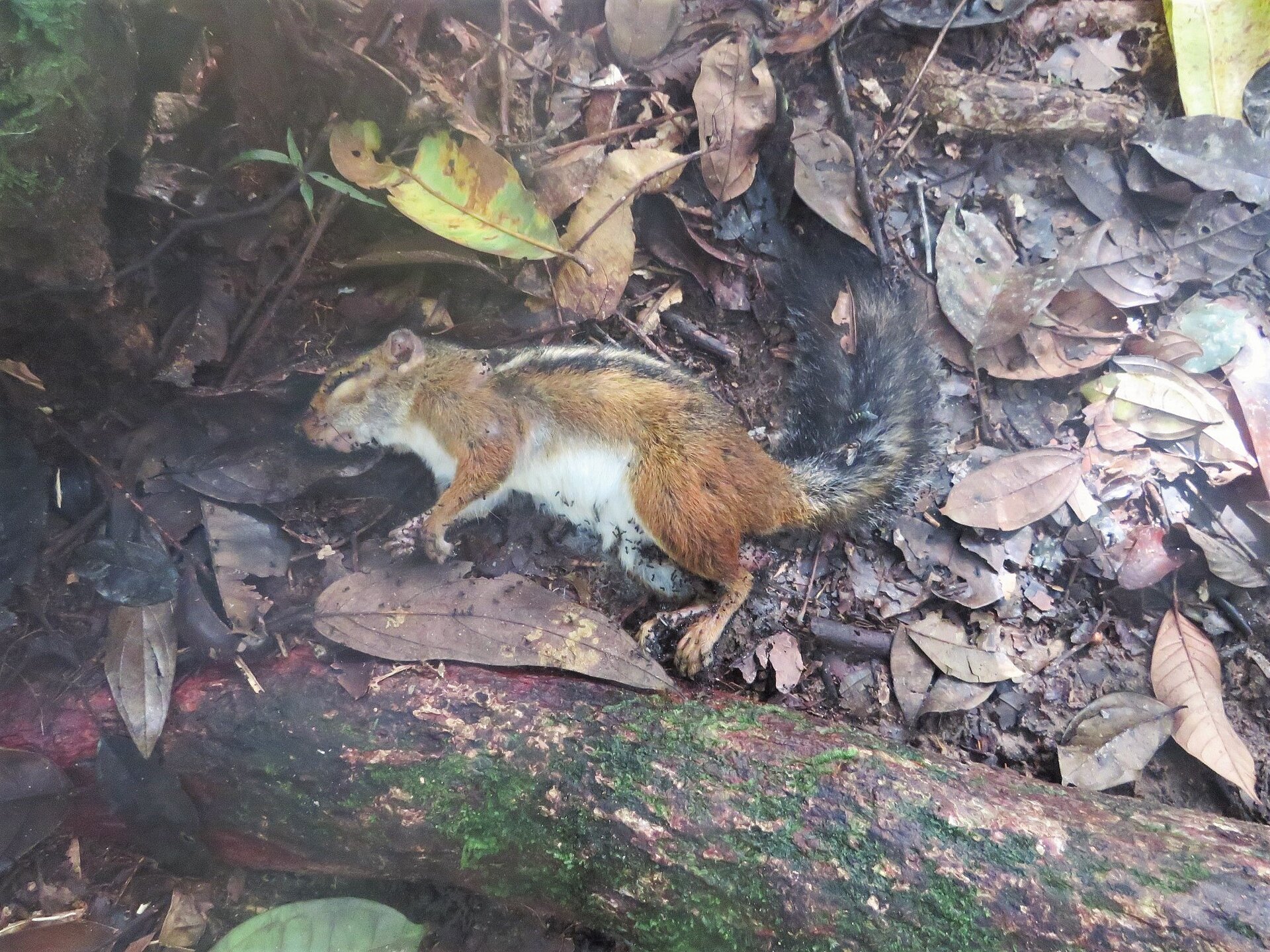
Squirrels have long been suspected as potential reservoirs for MPXV. When the virus was first isolated from a wild animal in 1985, it was obtained from a Thomas's rope squirrel (Funisciurus anaerythrus) captured in the Democratic Republic of the Congo. Imported squirrels have previously been blamed for Mpox outbreaks among prairie dogs and other pets in the US, too.
Could squirrels be the natural reservoir that ultimately seeded human infections? It’s certainly possible. The new study notes that wild squirrels are widely hunted, traded, and eaten across West and Central Africa. This close contact creates the perfect opportunity for zoonotic transmission, even though the precise pathways into humans have yet to be conclusively proven.
“Identifying the animal sources of the virus and the exposure routes that lead to inter-species transmission are key steps towards understanding spillover mechanisms and developing effective prevention measures to mitigate the risk of transmission to humans,” Livia V. Patrono, one of the senior authors at the Helmholtz Institute for One Health (HIOH) in Germany, said in a statement.
The research also underscores the importance of long-term ecological monitoring. Biology is much more than mere “stamp collecting”, as one sarcastic physicist once put it. Thanks to decades of studying chimps in the West African rainforest, researchers have gained crucial insight into a virus that has infected tens of thousands of people worldwide since 2022.
“This discovery was only possible thanks to long-term ecological research, continuous health monitoring and systematic sample collection in the Taï National Park,” says Fabian Leendertz, senior author, director of HIOH and co-director of the Taï Chimpanzee Project. “We need to maintain and expand this kind of effort to better understand and hopefully reduce the risks posed by emerging infectious diseases, including mpox – we need to strengthen prevention.”
The study is published in the journal Nature.