Nature
 PUBLISHED
 21
21


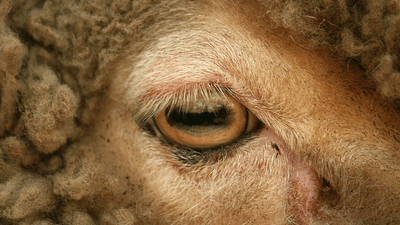


Stare deep into the eyes of a sheep and you’ll probably upset a farmer, but before the guns start waving you might notice something strange. Rather than a bouncy round pupil like our own, sheep have a rectangular black blob in the middle of their eyes. So, what gives?
These ruminant mammals sit alongside deer and antelope, a group characterized by a love of chewing the cud (if you’ve ever wondered what that means, it’s basically repeatedly chewing partially digested food before finally swallowing). Another thing sheep, deer, antelope could be said to have in common is that they occasionally have to make a run for it when a predator rocks into town, and this is where their horizontal pupils come in handy.
“The horizontal pupil – with only one exception we could find – is associated with prey animals,” said principal investigator Marty Banks of the Banks’ Lab, UC Berkeley’s visual space perception laboratory to IFLScience. “It was very clear that these animals tend to almost always have eyes on the side of their head instead of frontal eyes like we do.”
“The fact that their eyes are on the side of their head allows them to see almost 360 degrees around them. Something we can’t do, obviously. The elongated pupil benefits that panoramic vision by letting in more light, so the left eye can see behind the animal on the left, and the longer pupil allows more light to get into that direction so they can see better.”
“Interestingly, the fact that the pupil is narrow vertically, has the effect of sharpening horizontal contours the animal might see. And they might well need that for placing their feet on the ground as they try to run away from a predator.”

There’s actually a rich diversity of pupil shape in the animal kingdom. Cats have vertical slits that are great for being an ambush predator, while taller predators like humans tend to have circular pupils. And if you think a sheep’s is a weird, just look into the groovy wiggle that is a cuttlefish pupil.
Perhaps weirdest of all, however, is the mongoose. While most animals seem to adhere to this rule of vertical for predator and horizontal for prey, this bloodthirsty filiform has pupils more like a sheep. “That animal does not fit our account at all,” said Banks.
They might do weird things when it comes to pupil shape, but I’ll tell you one thing: nobody does warfare like a mongoose.