Health and Medicine
 PUBLISHED
 1
1


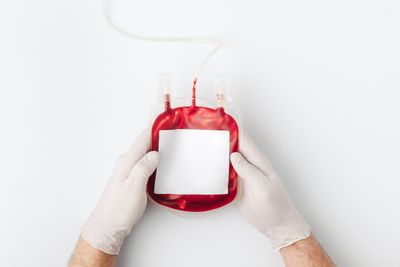


For almost any emergency procedure, the patient needs blood. For centuries, doctors have grappled with an insurmountable shortage of compatible human blood, as the multitude of combinations matching recipient to donor make it impossible to have a large enough stockpile – get it wrong, and the consequences are fatal.
If it is such a problem, then, why don’t scientists just create synthetic blood?
It seems relatively simple at the outset: Blood is a cocktail of many things we already know how to make, and doctors already use intravenous saline solution regularly so it sounds like it should all work when put together.
There are, however, a few problems to overcome, which a brilliant video from the American Chemical Society below explains in detail.
While the main issue is certainly carrying oxygen, blood also has a host of other jobs that are all incredibly important. It must be able to clot if the skin is cut, and blood-thinning medication is particularly dangerous for this reason as it can result in constant bleeding to problematic levels.
If we created synthetic blood, not only would it need to be compatible and able to carry oxygen effectively, it would also need to contain platelets to clot. One piece of research made headway with a synthetic blood that could do both, but there remains no viable substitute to date.