Health and Medicine
 PUBLISHED


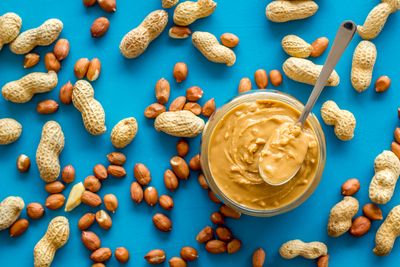


A new systematic review and meta-analysis of 190 studies, comprising nearly 3 million participants, has revealed major and minor risk factors associated with the development of food allergies in children.
Food allergies can be serious and even life-threatening. Food Allergy Research & Education (FARE) estimates that 33 million Americans are affected, including roughly 8 percent of children. Of these children, more than 40 percent are thought to have experienced a severe reaction.
A serious allergic reaction, known as anaphylaxis, is a medical emergency requiring immediate treatment, which is why many people with allergies carry epinephrine (adrenaline) auto-injectors such as EpiPens. Symptoms include swelling of the lips and tongue, trouble swallowing, and shortness of breath.
Even milder allergy symptoms may require medical intervention, and allergies can present very differently in different people. There’s also pretty much no limit to the types of foods someone can become allergic to, but common ones include nuts, shellfish, eggs, and milk.
Recent data suggests that more and more people are being impacted by food allergies. For parents, food allergies can be a source of significant anxiety, both after their child is diagnosed and even before a reaction happens if they’re believed to be at risk.
That’s why this new meta-analysis is potentially so interesting – up to now, it’s not always been easy to identify children who might be at greater risk of food allergies.
The team of researchers from institutions in Canada, Argentina, and the US took a careful look at 190 previously published studies, including participants from 40 countries. From 176 of them, they pulled out 342 separate risk factors, indicating that there is no one single cause of allergies.
As Kids With Food Allergies from the Asthma and Allergy Foundation of America explains of the study, the risk factors were further categorized by certainty. The high-certainty factors – those that had appeared consistently in well-designed studies – numbered 38, including:
- Having eczema, seasonal allergies, or wheezing as a baby
- Late introduction of peanut to a child’s diet
- Family history of food allergies, especially mother or sibling
Moderate-certainty risk factors included:
- Severe eczema or dehydrated skin, or eczema later in childhood
- Exposure to antibiotics in-utero or as a baby
- Self-identifying as Black
- C-section birth
Overall, the incidence of food allergy was found to be 4.7 percent, which is lower than many previous estimates.
It’s important to note that even with these risk factors, the overall risk of developing a food allergy is still low. That doesn’t mean there’s nothing we can learn from this – doctors have been looking at ways to try and halt the development of allergies in kids who are considered at risk, and lots of the findings in this study support some of the strategies they've been trying.
For example, as Isabelle Gerretsen wrote for BBC Future in 2022, more is now understood about the link between eczema and food allergies. Eczema damages the skin barrier, which can allow microscopic particles of different foods to enter the body even before a child has ever eaten that food. This can prime the immune system, making it more likely to react down the line.
The early introduction of peanuts is something allergists have also been looking at in recent years. Previously, parents may have been advised to avoid peanuts if they were concerned their child might develop an allergy; now, it’s been shown that we should really have been doing the opposite. Gerretson cites a study that found regular consumption of peanut-containing foods reduced the prevalence of peanut allergy in one group of kids at age 5 by 81 percent.
The response from Kids with Food Allergies stresses that some risk factors are impossible to avoid. For example, if a baby has an infection that requires antibiotic treatment, the risk of not taking the antibiotics is likely to be much greater than the potential risk of food allergies this could introduce.
With no reliable way of detecting allergies before a reaction has first occurred, there’s still going to be an element of guesswork involved – but this study does suggest that some of the more recent guidance around food allergies is on the right track. Hopefully, more breakthroughs in treatment and prevention may follow soon.
The study is published in JAMA Pediatrics.


 1
1