


 Humans
 PUBLISHED


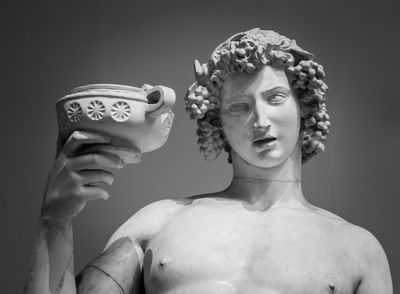


If you think people today enjoy a cheeky bottle (or two) of wine on a Friday night, then wait until you hear about the Romans. It’s well established that they loved a bit of vino, even to the point where watching it be made was seen as a form of entertainment. But what did Roman wine actually taste, smell, and look like? A new study analyzing the clay pots Romans used for winemaking may well have revealed the answer.
With an intact sample of Roman wine remaining unopened (and who can blame them, have you seen it?), researchers Dimitri Van Limbergen and Paulina Komar turned to the clay pots wine was commonly stored in, known as dolia, to find out what the popular drink might’ve been like.
“No study has yet scrutinised the role of these earthenware vessels in Roman winemaking and their impact on the look, smell and taste of ancient wines,” state the authors in their study.
The duo compared the vessels to those used in traditional Georgian winemaking. These lemon-shaped clay pots are called qvevri and are used to ferment the wine; this is similar to how Roman wine is thought to have been produced, suggesting that modern Georgian wine would be comparable to the Roman drink.

By making this comparison, the researchers concluded that Roman wine was likely dark yellow or amber-colored, matching up with what has been translated from ancient Roman texts. This color is thought to be down to the shape of the vessel; the narrow base stopped the grape solids from touching the wine too much as it aged and affecting its color.
As for the most important result – at least if you’re a sommelier – what did the wine taste and smell like? According to the researchers, it was probably slightly spicy and thanks to the porous clay allowing for oxidation, may have had “pleasant grassy, nutty and dried fruit-like flavours”.
The scent is the result of the dolia having been buried, allowing winemakers to control the temperature and pH. As a result, this could allow surface yeasts to grow and release a compound called sotolon into the wine. This produces aromas of “toasted bread, apples, roasted walnuts and curry”. A perhaps unconventional, but fairly delicious sounding combination – no wonder the Romans loved it so much. It definitely sounds nicer than the 170-year-old shipwreck champagne.

As well as providing an insight into why Romans were necking wine on a regular basis, the authors conclude that the study’s findings “change much of our current understanding of Roman winemaking,” by suggesting winemakers had much more control over the process than previously thought.
In a statement sent to IFLScience, Dr Van Limbergen concluded: “The value of identifying, often unexpected, parallels between modern and ancient winemaking lies in both debunking the alleged amateurish nature of Roman winemaking and uncovering common traits in millennia-old vinification procedures.”
The study is published in the journal Antiquity.



 2
2