Humans
 PUBLISHED



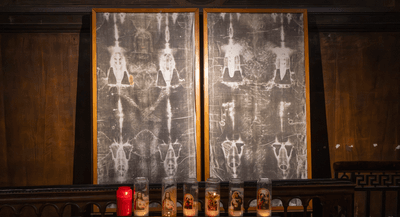


Researchers have recovered more DNA from the Turin Shroud than you’d expect to find on a well-used picnic blanket, with everything from carrots to fish identified from the genetic stains left on the old cloth.
Revered for centuries as the alleged death blanket that held the body of Jesus Christ, the Shroud of Turin is a highly controversial relic that divides believers from skeptics. The exact origin of the ancient fabric has never been determined, with the earliest record of its existence coming from 1354 when it first appeared in Lirey, France.
To learn more about the history of the shroud, researchers extracted DNA from organic residues found on its surface back in 1978. Re-examining these samples using modern genetic analysis techniques, the authors of a new study have revealed the wild array of species that have somehow come into contact with the famous cloth over the centuries.
In terms of human handlers, the researchers identified DNA belonging to at least 14 different people from all over the world. One of these was almost certainly the scientist who first collected the samples in the 1970s and was of European and Jewish descent.
In addition, the study noted a rare genetic signal linked to the small Arabic-speaking Druze population that lives in the Middle East. Even more surprising, however, was the discovery that almost 40 percent of the human DNA on the Turin Shroud originates in India. According to the researchers, the most plausible explanation for this finding is that the linen from which the Shroud is made was imported from the Indus Valley.
Then things get weird. Crops including tomatoes, cucumbers, melons, potatoes, and pistachios all show up in the DNA. “The Fabaceae family was also represented by a strong presence of peanuts,” write the authors.
Bananas, peppers, maize, and carrots all appear too, as do domesticated animals such as dogs, cats, chickens, pigs, and cattle. As if that wasn’t enough, horses, rabbits, almonds, and walnuts were also identified among the genetic traces left on the Shroud.
Bizarre marine contaminants, including Atlantic cod and gray mullet, make up another small portion of the extracted DNA, along with a type of Mediterranean red coral that was used in Roman times to make jewelry and other symbolic items.
It’s currently unclear how, when or where each of these contaminants came into contact with the Shroud of Turin. Interestingly though, the carrots were found to be descended from European varieties that were first cultivated in the fifteenth and sixteenth centuries.
The researchers point out that many of the species identified originate in Latin America, and that contamination with these items likely occurred after the historic voyages that led to the European discovery of the Americas in 1492.
“The Shroud represents a rich archive of genetic information that has accumulated over centuries of human interaction and environmental exposure,” explained Professor Noemi Procopio, one of the study's authors, in a statement.
“While the DNA evidence cannot answer all the questions about the age or authenticity of the cloth, it provides novel insights into its biological history and demonstrates how advances in forensic science can unlock new information from historical artefacts.”
The study has been published in the journal Scientific Reports.