Health and Medicine
 PUBLISHED
 1
1



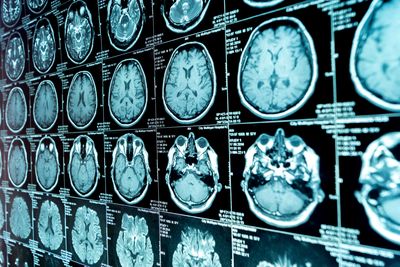


We may be missing something important about ADHD, a new study suggests. From an analysis of brain scan data, researchers have concluded there may be three distinct subtypes of ADHD with different profiles, and identifying these accurately could give people access to more targeted treatment and support.
ADHD (attention-deficit/hyperactivity disorder) is a form of neurodivergence that has become increasingly widely recognized, with diagnosis rates going up in both kids and adults. With improved scientific understanding and more people sharing their experiences of ADHD, questions are being asked about whether current diagnostic criteria really capture the diverse ways in which it can present.
For example, there’s a well-known gap in diagnosis between men and women. In fact, for many years, ADHD was considered to only affect young boys, which we now know isn’t true. What is true is that early symptoms in girls more frequently go unnoticed. While boys may be considered “disruptive” at school, leading to further investigation into their behavior, girls may be dismissed as “inattentive” and given no support.
Now, a new study suggests we could be missing even more of the complexity of ADHD, and opportunities to offer people more targeted therapies could therefore be being missed.
Analyzing data from hundreds of children with and without an ADHD diagnosis, scientists led by a team at West China Hospital of Sichuan University identified “three distinct ADHD biotypes with unique clinical-neural profiles that advance the understanding of ADHD’s neurobiological complexity and lay the groundwork for personalized management.”
The three subtypes were described as:
- Severe-combined with emotional dysregulation
- Predominantly hyperactive/impulsive
- Predominantly inattentive
According to charity ADHD UK, hyperactivity/impulsivity can look like excessive talking, interrupting, restlessness, and fidgeting. Inattention may present as being forgetful, difficulty focusing, misplacing important objects like glasses and cell phones, and struggling to pay attention over long periods of time. Combined presentations include features of both of these things.
The authors began by analyzing data from a “discovery cohort” of 446 children with diagnosed ADHD and 708 controls. They validated their findings in another group comprising 554 children with ADHD and 123 controls. Looking at brain scan data to assess how different structures and networks in the brain are affected by ADHD and comparing this with analysis of neurochemical signaling, they found three distinct patterns of changes.
Among the ADHD community, the fact different people experience different constellations of symptoms is already well known. In their paper, the authors explain that learning more about the underlying neurobiology – what causes different types of symptom profiles – could be a gateway to developing more personalized treatments.
One of the limitations of the new study that the authors address is that many of the participants were currently being or had been treated with ADHD medication – while it’s unlikely there was any major effect on the brain scan data, they can’t completely rule this out.
At present, the most common treatments for ADHD include stimulant drugs like methylphenidate, which you might be more likely to see under the brand name Ritalin. These drugs can be very helpful for some people, but they don’t work for everyone, and even after years of use, science is still learning new things about how they work. There’s definitely room for some new approaches, and the results of this study could help scientists get there.
The study is published in JAMA Psychiatry.