Health and Medicine
 PUBLISHED



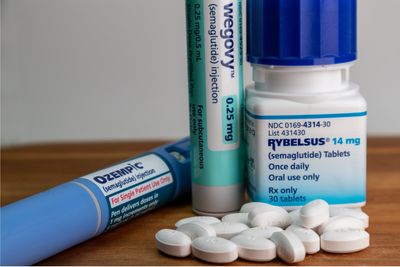


Over the past several years, Glucagon-like peptide-1 receptor agonists (GLP-1s) have revolutionized the field of obesity treatment, providing results comparable to those achieved by bariatric surgery.
However, a new case report highlights a hidden side effect associated with this popular medication, revealing how the drug appears to sap patients’ motivation and energy, resulting in “emotional flatness."
In addition to altering users’ metabolism, GLP-1s treat obesity by reducing the incentive to eat through the brain's dopaminergic reward system. This same mechanism may also lead to a loss of interest in other vices such as alcohol, drugs, and gambling.
However, despite the benefits that come with these reductions in cravings, researchers have warned that tinkering with dopamine signaling could also trigger harmful changes in mood and energy.
Underlining these concerns, a new paper documents the experiences of three women who had all been taking high doses of a GLP-1 receptor agonist called tirzepatide before running into problems.
“After being on a GLP-1 medication for an extended period, I started to feel what I can only describe as “the mehs”,” explained one of the patients.
“While I initially had success with weight loss, over time I noticed a growing sense of fatigue and a lack of interest in many of the activities that normally help my life function,” she told the study authors.
All three of the patients had been taking the drug for obesity and had managed to lose between 23 and 57 percent of their body weight thanks to the treatment.
However, the trio all “reported reduced motivation, emotional “flatness,” or loss of interest in exercise and previously enjoyable activities despite successful weight loss,” write the researchers.
A reduction in "wanting"
Two of the women had no prior history of mood disorders, while the third had previously experienced depression and anxiety. However, the symptoms triggered by tirzepatide were described as distinct from depressive episodes and always occurred following high-dose treatment with the drug.
All three patients subsequently reduced their intake of tirzepatide, with two reporting an immediate improvement in mood while the other required additional treatment with an anti-depressant called bupropion in order to alleviate her symptoms.
According to the researchers, this unwanted side effect occurs when weakened dopamine signaling dampens the drive to pursue pleasure or rewards. This loss of motivation is generally known as anhedonia, which the authors describe as “a reduction in “wanting” of a previously appealing item or activity.”
Fortunately, however, this loss of joy seems to be reversible in most cases. After reducing her tirzepatide dose, one patient said that “the difference was significant and immediate. I began to feel more like myself again.”
The study has been published in the journal Obesity Pillars.