Technology
 PUBLISHED
 2
2


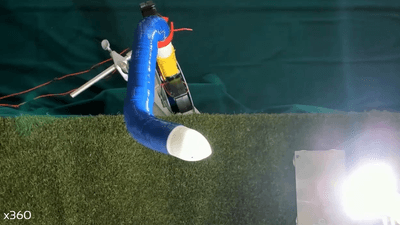


The world of robotics is an exciting place, especially when it comes to those robots that take inspiration from nature as a means to create something unique and impressive. A self-3D-printing, snake-like robot that grows longer as it moves (stop sniggering) in a similar manner to a vine has been created, opening up a mind-boggling avenue of possibilities for its use.
Named the FiloBot by researchers at Fondazione Istituto Italiano di Tecnologia in Italy, the robot is snake-like with a white head containing 3D printing technology, including a feeding mechanism and a plotting unit. As the head spins more mass is created, increasing the length of the robot behind. The body also contains a tube containing the 3D printer ink, which is a type of plastic. The tail end of the robot contains the inkwell, a pump, and a power source.
FiloBot can be programmed to grow towards the light or against gravity, drawing inspiration from climbing plants. The robot can also adapt its growth depending on the support available; for instance, where strong supports are present for the robot to climb up, it can develop a lighter body and faster growth. When the supports are weak or missing, it can produce a tougher body to allow it to support itself.
The team suggests that this ability to use atypical growth can help the robot cross bumpy terrain and even gaps. These skills could be useful in scenarios such as disaster relief or measuring environmental pollution in hazardous areas. The embodied intelligence helps the robot respond to the physical challenges of different environments.
The study is published in Science Robotics.