Space and Physics
 PUBLISHED



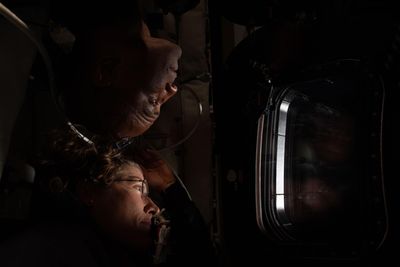


NASA has just released the Artemis II preliminary science report, together with a bunch of new material about the mission, which took place in April. It includes over 11,000 images and videos (some of which hadn't been published before), annotations from the astronauts, and 8.5 hours of audio recordings, totaling 800 gigabytes.
There is so much in this release that it is difficult to decide where to start, so let’s go from the end of the mission. How about you sit down and watch as the Orion capsule re-enters through the atmosphere at its “almost record-breaking" 39,472 kilometers (24,527 miles) per hour.
If you want to see more than our 90-second sped-up clip, don't fret. A citizen scientist stitched together the whole 23 minutes of the journey back down to the ground.
During Artemis II, NASA’s Reid Wiseman, Victor Glover, and Christina Koch, and the Canadian Space Agency’s Jeremy Hansen, went farther into space than any human before. Over their 10-day trip around the Moon, they conducted the first crewed science activities beyond low Earth orbit in more than half a century, including observing lunar terrains never before seen directly by humans.
The preliminary report shows the team saw meteorites impact the lunar surface, for example, including the faintest impact ever seen with the unaided eye. The collision is estimated to have been caused by a space rock that would easily fit in the palm of your hand.
The report also notes that they spotted a “muted rainbow” of lunar terrains. From Earth, filtered through our atmosphere, one might describe the Moon as gray (or silvery if you are trying to be more poetic). From their vantage in space, the astronauts instead reported subtle colors across the near and far sides: gray, black, brown, tan, white, green, and blue.
If this wasn't enough, the crew was also asked to take observations of the terminator. No, it wasn't movie night in the capsule: in astronomy, the terminator is the line between night and day on a celestial body. “…The terminator is the most striking thing that I’ve seen so far,” Artemis II pilot Victor Glover reported during the flyby.
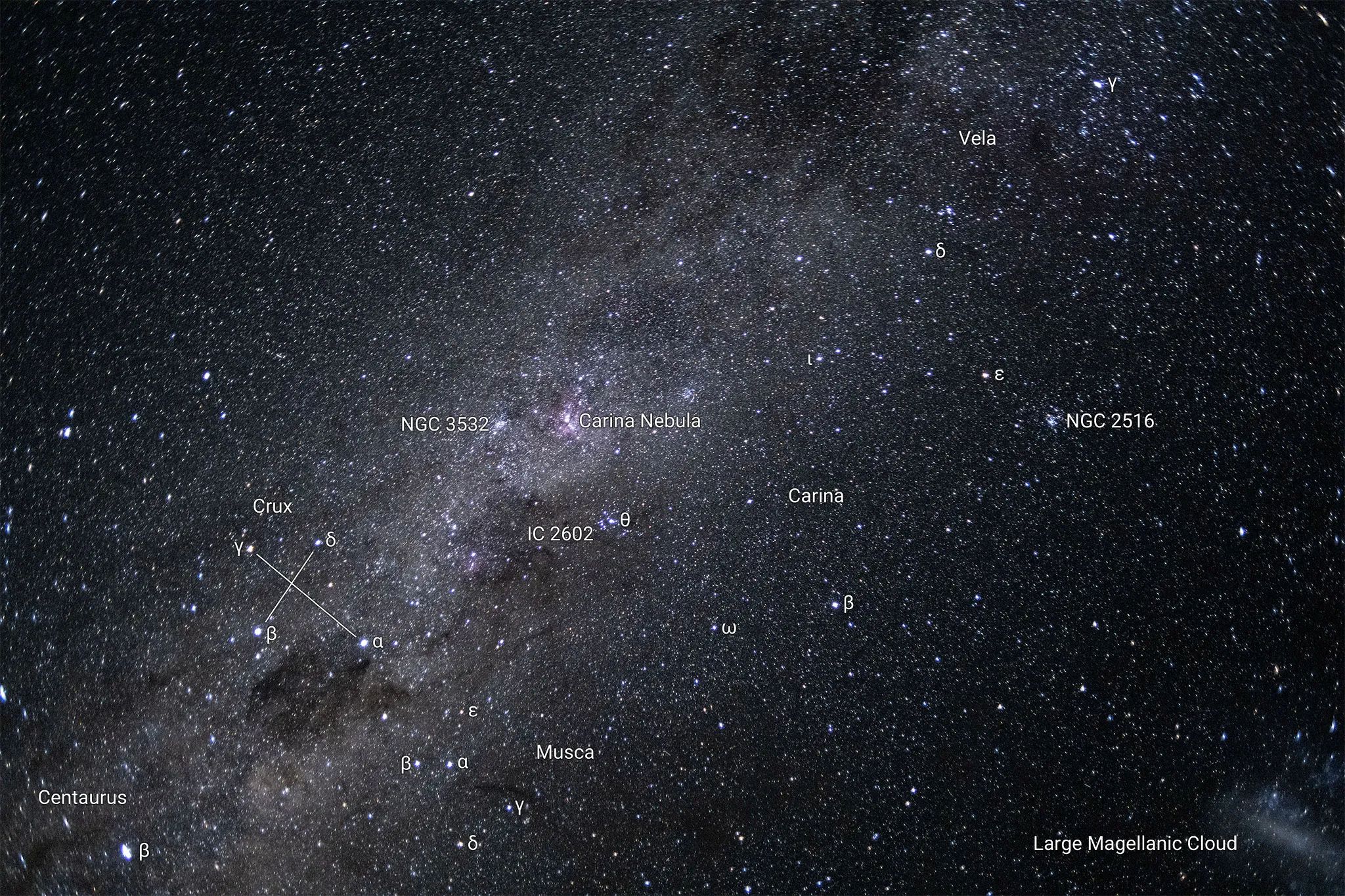
The team also looked at the stars, capturing rare views of the universe only a handful of humans have experienced before. The image below was captured during the total solar eclipse when the Sun was blocked from view for nearly an hour and the crew could study celestial objects that are usually drowned in light.
"The stars, when you're in space... there's a depth to them that you don't see from Earth," said Hansen. "They look closer or further... based on their brightness."
There is more to come from Artemis II, despite Commander Weissman previously hoping that the mission would eventually be forgotten, eclipsed by future achievements of the Artemis program.
This continues to seem unlikely to us.


 1
1