Humans
 PUBLISHED
 4
4


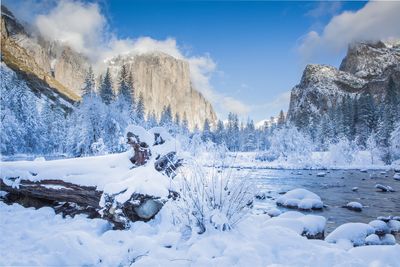


Visitors to California’s Yosemite National Park have been told to leave immediately with intense blizzards forecast throughout the area. Releasing a statement on Thursday, February 29, the park announced that it would be closing at midnight and would “remain closed at least through Sunday at noon (possibly later).”
The sudden warning comes with an atmospheric river looming over California, threatening to dump massive amounts of snow on elevated areas. Situated in the Sierra Nevada mountains, Yosemite is right in the firing line and is expected to see massive snowfall throughout the weekend.
“The National Weather Service is forecasting several feet of snow throughout the park (Badger Pass may receive over seven feet!) with very high winds,” continued the announcement. “Visitors currently in the park should leave as soon as possible, and no later than noon tomorrow, March 1.”
Atmospheric rivers are long streams of moisture in the atmosphere that evaporate from the central Pacific ocean and are carried towards the western US by tropical weather systems. Upon making landfall they tend to unload huge amounts of rain and snow, and are thought to provide roughly half of California’s annual precipitation.
Given the current drought that has been afflicting the Golden State in recent years, atmospheric rivers and the water they bring are largely welcome, although they can occasionally get too big and ruin people’s weekends.
Yosemite National Park has issued an update on the status of the Park's entry here.