Humans
 PUBLISHED
 5
5




What you'll discover in this article
- The Big Bend Project 5 border wall, as proposed by the US government, will pass through a region of southern Texas containing many archaeological sites, including Indigenous art dating back thousands of years.
- Secretary of Homeland Security Markwayne Mullin has agreed to waive legislation that protects some of this Native American heritage to make way for the wall.
- Dr Karen Steelman from the Shumla Archaeological Research & Education Center told IFLScience that hundreds of sites may become inaccessible, and some are threatened with destruction.
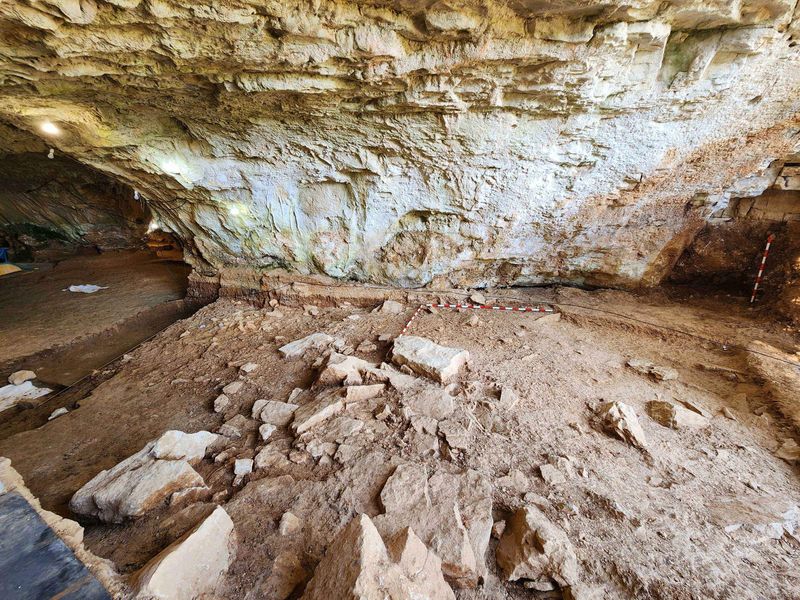
The planned construction of a border wall in southern Texas looks set to wipe out some of the oldest and most significant rock art sites in North America. Passing through the Lower Pecos Canyonlands, the proposed barrier has just been greenlit by Secretary of Homeland Security Markwayne Mullin, who has agreed to waive dozens of laws protecting the environment and Native American heritage in order to facilitate the build.
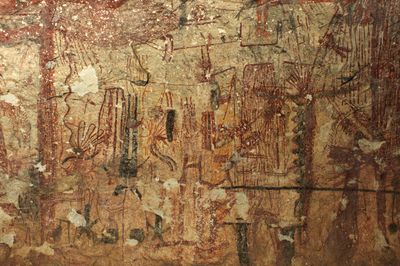
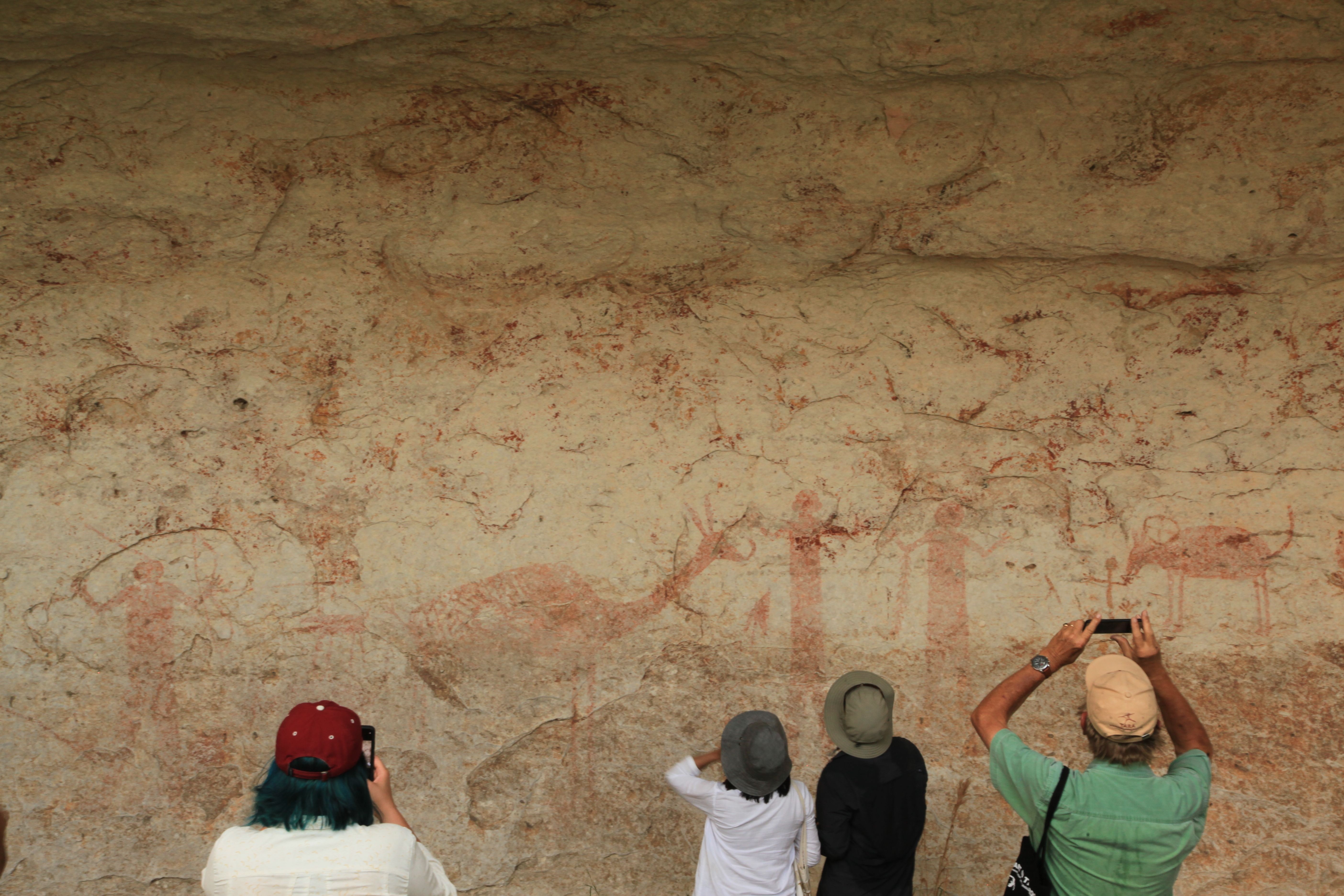
The Lower Pecos Canyonlands contains thousands of archaeological sites dating back more than 10,000 years, including hundreds of sacred murals painted by the ancestors of the Indigenous communities that continue to occupy the region. The oldest surviving paintings are about 6,000 years old, and research has shown that the same artistic traditions were observed at some of these sites for around four millennia.
However, the area sits along the path of the Big Bend Project 5 border wall, which the US government plans to build as part of its attempts to halt undocumented border crossings.
In order to expedite construction, Mullin has agreed to waive a suite of laws including the Native American Graves Protection and Repatriation Act, the Historic Sites, Buildings, and Antiquities Act, the Archeological Resources Protection Act and the Paleontological Resources Preservation Act.
Other pieces of legislation such as the Clean Water Act, The Clean Air Act, the National Environmental Policy Act and the Endangered Species Act have also been nullified to pave the way for the new border wall.
“Usually, with a construction project, you have to send out an archaeologist to check if any sites are going to be impacted, and then make suggestions for protecting these,” says Dr Karen Steelman from the Shumla Archaeological Research & Education Center in Texas.
“But now they don't have to because these laws are being waived, so they're not necessarily going to know or care where these sites are,” she told IFLScience.
Because of the nature of the terrain, the barrier is set to be built slightly north of the actual border, thus cutting through the Lower Pecos Canyonlands. “South of that construction zone there'll be 425 archaeological sites and 84 rock art sites, and we don’t even know if we’ll have access to these after they build it,” says Steelman.
Worse still, she explains that “four or five” rock art sites are likely to be completely obliterated by the wall.
Destroying them would be like burning a book.
Dr Karen Steelman
“They will destroy those four or five because they have to use dynamite to put a post in the ground,” she says. Among these sites is the iconic Painted Shelter, which contains some of the most significant images of ancient hunting weapons in North America.

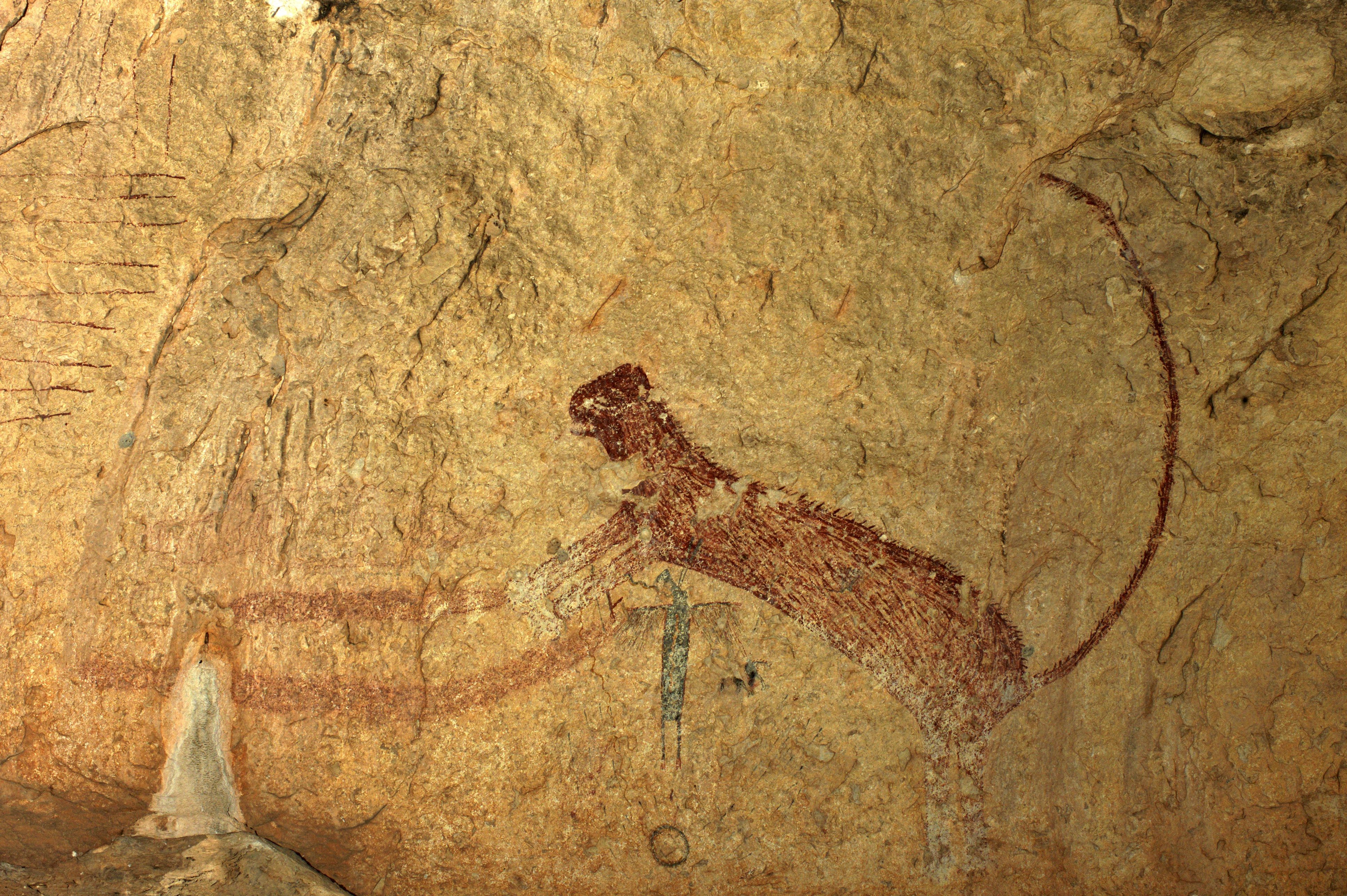
Also on the hitlist is Panther Cave, which features hundreds of motifs spread across a mural measuring 30 meters (100 feet) in length, including an enormous red-painted panther that is over 3 meters (10 feet) long. “These are very complex murals, and each one tells a different story,” says Steelman.
“A lot of these were planned compositions that are in narrative form, so destroying them would be like burning a book,” she adds.
In total, a third of the sites in the Lower Pecos Canyonlands are likely to be affected by the construction of Project 5, which is why the Shumla board of directors has launched a petition to protect the area’s rich archaeological and Indigenous heritage.
“Every generation inherits the responsibility of caring for the Lower Pecos,” said Tim Watt, Chair of the Board of Directors, in a statement seen by IFLScience. “Our Board adopted this resolution because we believe thoughtful stewardship and informed decision-making can protect both our cultural heritage and the interests of future generations.”
“We believe decisions affecting these irreplaceable cultural resources should be informed by sound science, thoughtful planning, and meaningful consultation.”