Humans
 PUBLISHED


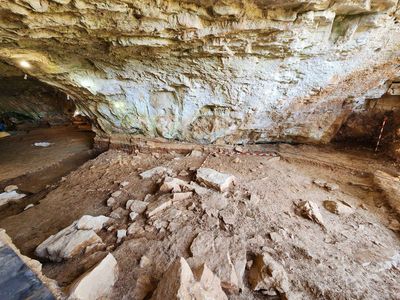


A cave in northern Spain was repeatedly occupied by the last Neanderthals to cling on to existence in Iberia, who returned to the same place for generations until they became extinct. Shortly afterwards, the first Homo sapiens to reach the region moved into the same cave, suggesting that the two species occupied the same spaces without ever meeting.
Located in the Burgos region, the Prado Vargas cave has been extensively studied by archaeologists for a number of years. A paper published in 2021, for instance, analyzed artifacts discovered in Layer Four, which is the final Neanderthal occupation layer at the site.
These findings helped to reveal aspects of the daily lives of the last Neanderthals to exist in isolation from our own species, and indicated that they probably lived in “small, separate groups with marked territories and cultural traditions.”
The study also showed that these Neanderthals occupied Prado Vargas each year between spring and late autumn, but abandoned the site in winter when it became waterlogged.
Tools used for hide-scraping and woodworking provide insights into the activities of these Neanderthals, while the discovery of a deciduous tooth demonstrates that children were present in the cave.
Separate research has suggested that these Neanderthal children may have enjoyed collecting fossilized marine shells, all of which paints a picture of long-term occupation of the cave by a complete community.
Layer Four is thought to be about 46,000 years old, and researchers have now recovered more than 1,500 stone tools and animal remains from this occupation layer. Based on new discoveries from this year’s excavation season, it is now clear that these terminal Neanderthals hunted animals including aurochs, steppe bison, wild boar, horses, and deer, before cracking the long bones of their prey to access the marrow.
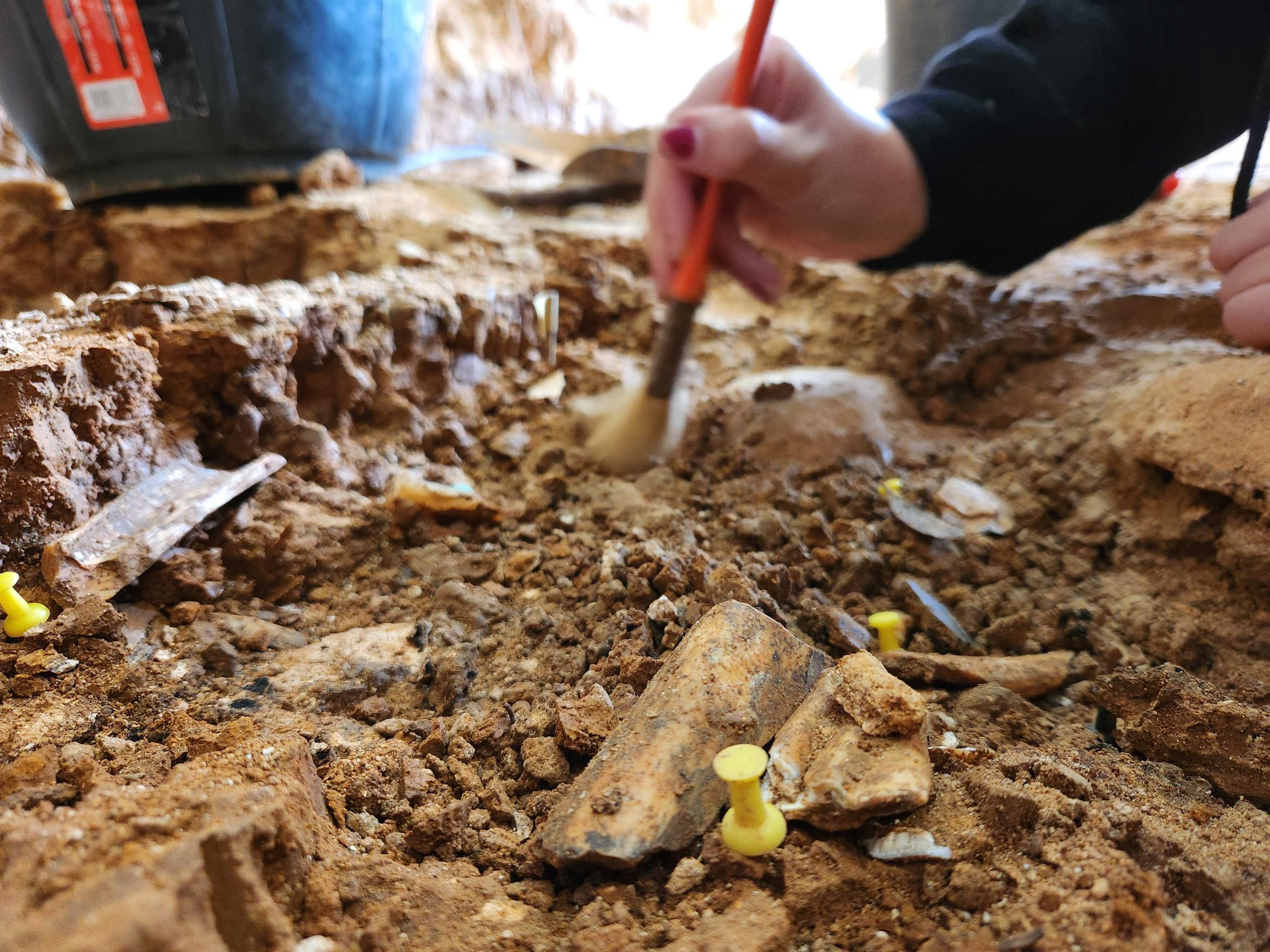
The authors of the 2021 study also found evidence of a “recycling economy” at Prado Vargas, and archaeologists have now found more than 100 bone retouchers, which Neanderthals created from animal bones and used to continually resharpen the edges of their stone tools in order to extend their usage.
Last year, researchers also found hearths associated with the earliest H. sapiens to reach this part of the Iberian interior. Dated to around 35,000 years ago, these ancient campfires indicate that modern humans occupied Prado Vargas around 10 millennia after its final Neanderthal tenants vanished.
So while Neanderthals and H. sapiens did meet and even interbreed in multiple locations across Eurasia, Prado Vargas offers a unique opportunity for archaeologists to study the lives of last Neanderthals to never set eyes upon a modern human.