Nature
 PUBLISHED


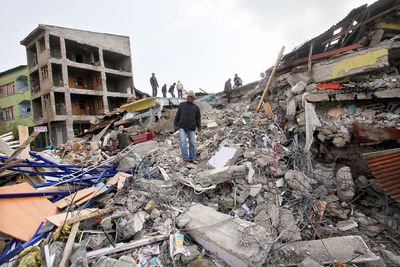


The number of deaths from Monday’s devastating earthquake and aftershocks in Turkey and Syria has now topped 21,000, according to reports.
The 7.8-magnitude quake struck southeastern Turkey, not far from the border with Syria, in the early hours, and was followed by a 6.7-magnitude aftershock. A second earthquake, measuring 7.6 in magnitude, hit less than 12 hours later. Initial reports had the death toll at 2,000, but this number has risen rapidly in the days since.
Turkish officials announced Thursday that there had been 17,674 deaths, as well as more than 70,000 injured. The Syrian Ministry of Health added a further 1,347 deaths to this number and cited an additional 2,295 injuries. Meanwhile, The White Helmets – rescuers in the northwest of Syria, which is currently held by rebels – have reported a further 2,030 deaths and 2,950 injuries.
In sum, this puts the death toll at at least 21,051.
And the devastation caused will continue to claim lives. The damage to infrastructure and health services in both countries will leave people struggling to access food, water, and healthcare, as well as other basic amenities.
"We’ve got an immediate focus here of life-saving but, at the same time, we’ve got an imperative to make sure that those that survived the initial disaster continue to survive going forward – and we can’t reinforce that point enough," Robert Holden, the World Health Organization (WHO)'s earthquake response incident manager, said Wednesday, according to Ars Technica.
"We are in real danger of seeing a secondary disaster, which may cause more harm to more people than the initial disaster," he added.
There’s a serious risk of infection, WHO spokesperson Dr Margaret Harris told Sky News on Wednesday. She expects to see a surge in respiratory infections as lots of people have been left crowded together in cold and difficult circumstances.
“Because of the damage to the water and sewage systems there's [also] a risk of waterborne infections such as cholera,” she added.
Indeed, this is a particular concern in Syria, where there’s been an ongoing outbreak since August.
“We’ve also got a risk of […] severe mental trauma,” Harris continued. She calls for mental, as well as physical, health services to be provided for survivors as quickly as possible.