Health and Medicine
 PUBLISHED


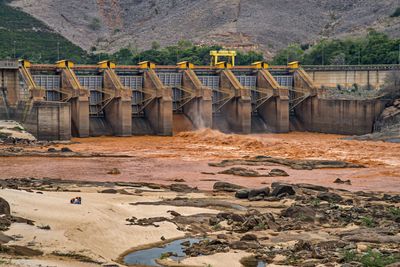


Researchers warn of potentially toxic elements in bananas grown in the Mariana disaster region of Brazil, where the Fundão dam broke in 2015. According to the results, this fruit, as well as cassava and cocoa grown in the Linhares municipality, may contain toxic mining tailings that exceed the UN Food and Agriculture Organization’s (FAO) limits.
The worst environmental disaster in Brazilian history
In 2015, disaster struck the Brazilian states of Minas Gerais, Espírito Santo, and Bahia when the Fundão iron ore tailings dam – which was owned and operated by Samarco Mineração, a Brazilian mining company – burst. Within minutes, over 50 million cubic meters (1.8 billion cubic feet) of mine waste – enough toxic sludge to fill over 20,000 Olympic swimming pools – was released into the Rio Doce basin.
According to a report produced by Samarco in August 2016, the accident was due to a confluence of problems and events stretching back to 2009. This included the dam supposedly having drainage and design flaws. Between 2011 and 2012, new designs with less efficient water drainage were introduced, which led to an increased saturation of sand in the dam. This eventually resulted in “liquefaction”, a process whereby a solid material behaves like a liquid, losing its strength and stiffness.
Liquefaction is a known cause for the collapse of dams that have held mining tailings. This is because, as Reuters' Marta Nogueira and Stephen Eisenhammer explained in 2016, “the walls of these dams are mostly built with dried tailings which consist of a mixture of sand and clay-like mud.” So, when the decision was made to add weight on the tailings at the Fundão dam, it was only a matter of time before things went wrong.
Despite these problems, Samarco – itself owned by the Australian mining giant BHP and Brazil’s Vale – did not assign any blame or highlight specific errors in their corporate or regulatory practices.
The disaster claimed the lives of 19 people and has been described as “the worst environmental disaster in Brazilian history.” It produced wide-reaching environmental and ecological damage, including the mass die-off of fish and, as a consequence, birds that could not eat. Around 80 percent of the native vegetation around the main channel and tributaries of the Doco River was destroyed.
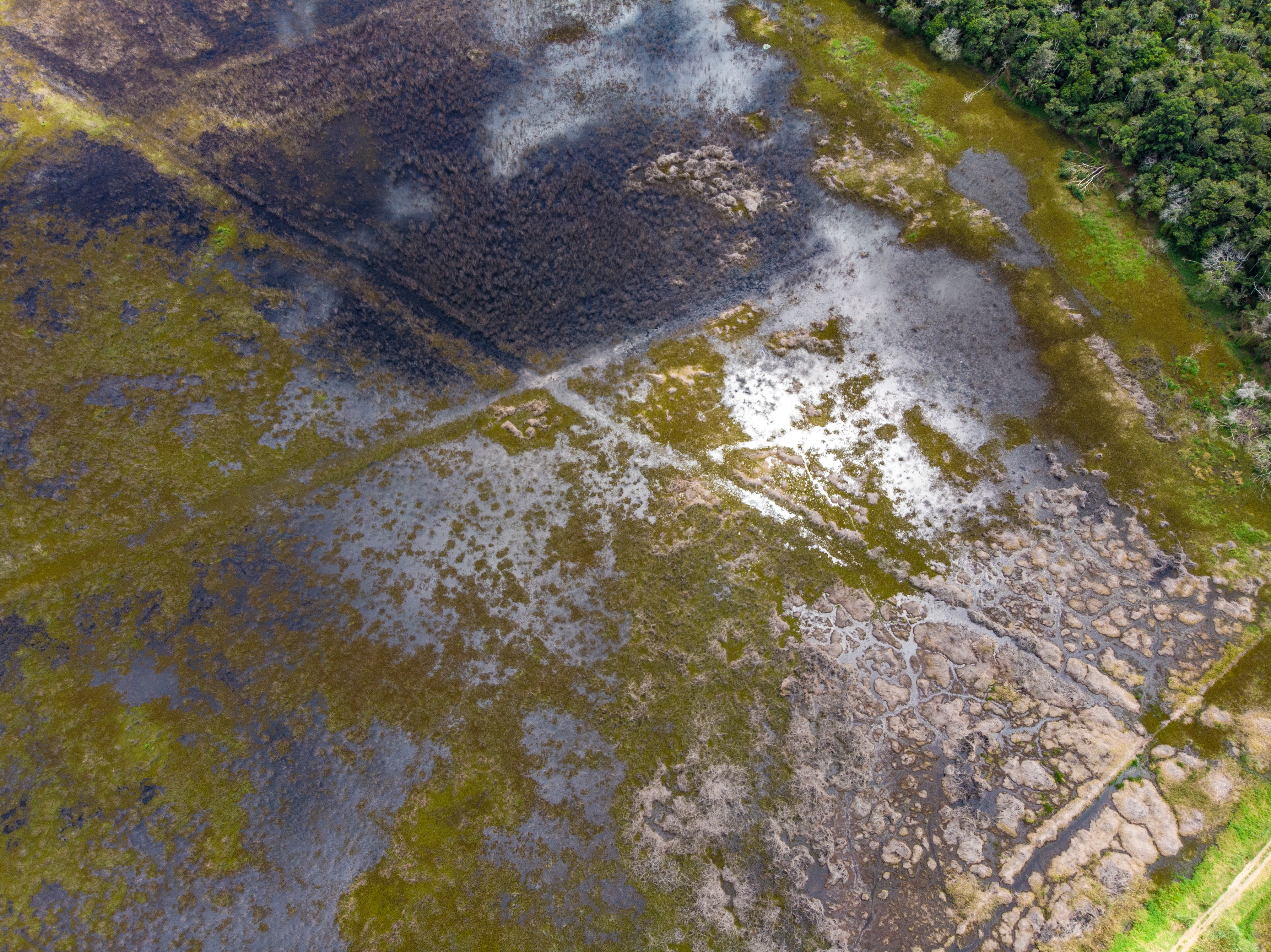
In 2021, Reuters reports, a study produced by a company contracted by the Brazilian prosecutor concluded that the disaster had resulted in between 37.6 billion reais ($6.73 billion) and 60.6 billion reais ($10.85 billion) at the time in “socio-environmental” damages. And it seems the problems caused by this incident are still appearing a decade after it occurred.
Toxins in the soils
According to a recent study produced by researchers in Brazil and Spain, products like bananas, cassava, and the cocoa grown in the region’s soils have been heavily impacted by the mining tailings. This waste is made up of concentrations of cadmium, chromium, copper, nickel, and lead. Importantly, the team found that consuming bananas grown in this soil poses a potential health risk to children aged 6 years or younger.
“Our group has been studying the impacts of the dam collapse for years. We obtained the first samples seven days after the accident and immediately understood that there was an imminent risk of contamination of plants, soil, water, and fish. But the question remained: Does this contamination pose a risk to human health?” Tiago Osório, an agronomist and professor in the Department of Soil Science at the Luiz de Queiroz College of Agriculture at the University of São Paulo (ESALQ-USP), said in a statement.
The study explains how plants access the potentially toxic elements (PTEs) in their soil and then accumulate them in their edible parts, which then enter the food chain.
“The iron oxide content in the soil, which is the main constituent of the tailings, correlates with its content in the plant. We studied the passage of constituents from the tailings in the soil to the water, and then from the water to the plant, including its leaves and fruits,” Amanda Duim, the study’s first author and a researcher at ESALQ, added.
By understanding which chemicals are present in the soil and in what quantities, it becomes possible to understand the potential biochemical dynamics that may occur with their release. The team found that bananas and cassava contained all the PTEs except chromium, which had accumulated in their parts that remained below soil, while the concentrations in cocoa had high PTEs in their above-ground parts – leaves, stems, and fruit. The concentrations of copper and lead were particularly high, exceeding the limit values imposed by the FAO.
This led the team to take a deeper look at health risks associated with the edible parts of these fruits and tubers in children aged 6 and below, and adults over the age of 18.
They assessed this risk by calculating the risk quotient, risk index, and total risk index for these substances. The risk quotient was determined by measuring the ratio between the average daily intake of a chemical substance and its corresponding reference dose. This total risk index is used to assess potential non-carcinogenic health risks associated with the intake of PTEs – if there is a low risk, then the total risk index must be less than 1.
The team found that the total risk index for most of the elements they assessed fell below 1 for adults, suggesting no immediate threat. This was not the case for children who ate bananas.
“This is particularly concerning given that children aged 0-6 years, for whom risks were calculated, are more susceptible to the harmful effects of [PTEs] due to several physiological and behavioral factors, including higher intake of food per unit of body weight, enhanced absorption, and immature detoxification systems,” the authors explain in their paper.
"Chronic exposure to lead (Pb), even at low doses, has been associated with permanent neurodevelopmental damage, such as reductions in IQ, attention deficits, and behavioral disorders,” they explained. Children also retain more lead in their tissues, which can increase the potential for long-term “bioaccumulation and systemic toxicity.”
“In parallel, prolonged intake of cadmium (Cd) can impair kidney function and skeletal development, while excessive nickel (Ni) and copper (Cu) intake may lead to gastrointestinal distress, liver toxicity, or allergic reactions.”
The researchers warn that continued exposure to potentially contaminated food in these soils poses cumulative risks over the long term.
“Over time, considering the life expectancy in Brazil of around 75 years, there may be a carcinogenic risk since there’s a possibility of direct and indirect DNA damage,” said co-author Tamires Cherubin. This damage could result in higher incidence of different types of cancer in the population.
“It all depends on the human body’s ability to absorb and metabolize these elements that are available in the environment.”
The study is published in Environmental Geochemistry and Health.

 1
1