Humans
 PUBLISHED
 2
2


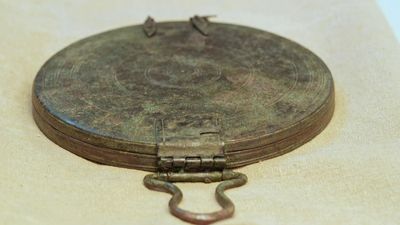


Researchers in Israel have uncovered the cremated remains of what was probably a high-class Greek escort from the period of Alexander the Great. Discovered by the side of a road in Jerusalem, the young woman’s leftovers were found alongside a series of bent iron nails and a remarkably well-preserved and rare bronze box mirror, providing an indication of her status as a courtesan to a high-ranking Hellenistic official.
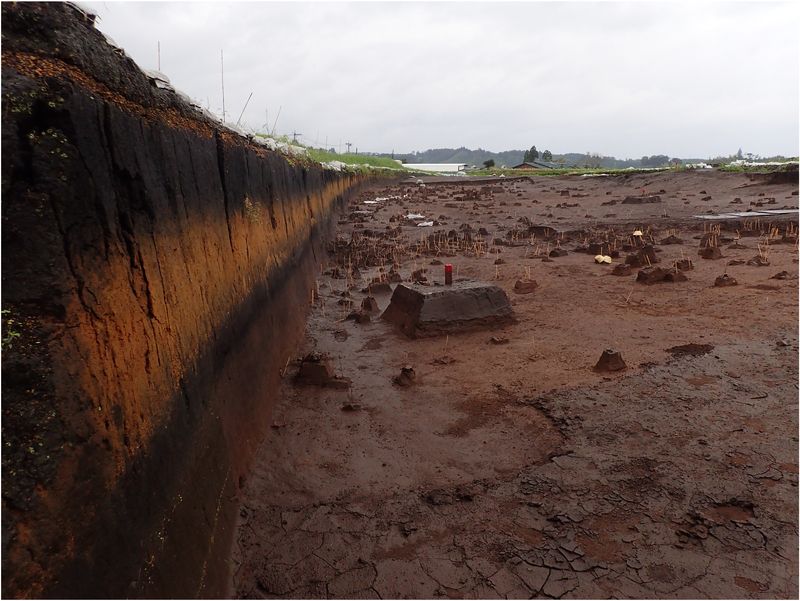
Dating back to the third or fourth century BCE, the tomb was located within a burial cave that was dug next to a highway in south Jerusalem. In a statement sent to IFLScience, archaeologist Dr Guy Stiebel explained that "this is, in fact, the earliest evidence in Israel of cremation in the Hellenistic period.”
"The most stimulating question arising from this discovery was – what is the tomb of a Greek woman doing on the highway leading to Jerusalem, far from any site or settlement of the period?” says Stiebel. The answer to this riddle may well be provided by the accompanying grave goods, since box mirrors are considered gendered artifacts that are typically associated with Greek women.
“The quality of the production of the mirror is so high that it was preserved in excellent condition, and it looked as if it was made yesterday," explained Liat Oz from the Israel Antiquities Authority. Highly expensive luxury items, mirrors of this type were sometimes acquired by Greek women as part of their wedding dowry, although married ladies generally stayed at home and certainly didn’t travel outside of Greece.
The only other way to receive such an item was as a gift from a Hellenistic military or political figure to his courtesan - otherwise known as a hetaira. The hetairai were social escorts - similar to Japanese geishas - who accompanied army officers and government officials on overseas campaigns and provided a number of services, some of which may have been of a sexual nature.
According to the researchers, the presence of such an exquisite object beside the cremated remains therefore indicates that "this is the tomb of a woman of Greek origin who accompanied a senior member of the Hellenistic army or government.” Based on the age of the burial, it’s likely that the hetaira and her patron traveled to Jerusalem during one of Alexander the Great's campaigns or during The Wars of the Diadochi, which were fought between Alexander’s generals for the right to become his successor.