Health and Medicine
 PUBLISHED
 3
3




Childhood brain cancers are some of the deadliest and hardest to treat, so any breakthrough that seeks to challenge that narrative is bound to be met with excitement.
A team at Children’s National Hospital in Washington DC have just completed a phase I trial of a new treatment. It’s seen four kids with previously incurable cancers surviving for up to four years – three of them with no evidence of disease.
The children and young adults enrolled in the trial, called ReMIND, had been diagnosed with either a type of cancer called diffuse intrinsic pontine glioma (DIPG), or with a central nervous system (CNS) tumor that had recurred.
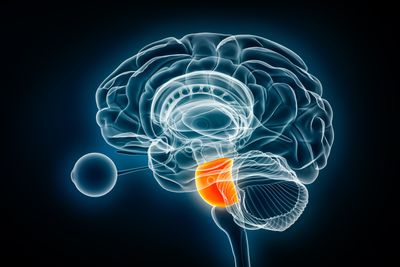
DIPG is a highly aggressive cancer that affects the pons, part of the brainstem that controls essential functions like breathing and blood pressure. It most often affects kids aged 5-10 years old and represents about 10-20 percent of pediatric brain tumors.
Many of these patients “had very few options,” pointed out Dr Catherine Bollard, co-senior author of the study, in a statement.
Most children with DIPG, according to the National Cancer Institute, do not live longer than two years after diagnosis.
Recurrent CNS cancers – which have come back after prior treatment – are also often incurable. On top of that, the treatments that do exist can have significant side effects.
These cancer types, Bollard told New Scientist, are “universally fatal, there’s nothing else for them.”
One of the big challenges with these tumors is heterogeneity – a single tumor can contain several populations of cells with different features, so finding a treatment that can hit them all is tricky.
This novel therapy manages to simultaneously target three different proteins commonly found in the pediatric brain tumors.
It’s a T-cell-based therapy, similar to CAR-T cell therapy that has been showing real promise in blood cancers. CAR-T essentially uses elements of the body’s own immune system to its advantage, involving genetic engineering of populations of T cells to make them highly efficient at fighting cancer cells.
This trial used a slightly different approach called tumor-associated antigen (TAA)-T cell therapy.
There’s no genetic engineering involved; the T cells are extracted from the patient and then exposed to other cells presenting the tumor proteins you want to target. The T cells that naturally show a response are identified and multiplied, until you have enough tumor-targeting cells to infuse back into the patient.
According to the team, this approach produces fewer side effects than CAR-T cell therapy. It also looks like their approach of infusing the cells into the patients’ bloodstream worked effectively, rather than having to inject them directly into the brain, a much riskier process.
“We were excited to see that we could preserve safety and quality of life while generating anti-tumor responses by attacking three targets at once,” said co-senior author Dr Eugene Hwang.
Promising results
As it was a phase I trial, the team was focused on safety rather than efficacy. This is the first stage of clinical testing, and more will have to follow before we could see this treatment being widely adopted.
A total of 33 patients received an infusion at three different dose levels. Out of the patients, 11 had DIPG, 18 had recurrent non-brainstem tumors, and four had a recurrent tumor and had undergone a short course of chemotherapy to suppress their immune system.
This is also done before CAR-T cell therapy to give the engineered cells the best chance of working.
“Treatment was generally well tolerated”, the authors write, with most side effects being mild – fatigue and headache were the most common.
One of the children with DIPG is still alive more than two years after the treatment.
Among the group with recurrent cancer, three responded exceptionally well and still have no evidence of disease – almost five years later, in one case. These children had previously undergone grueling treatment with up to 17 rounds of chemotherapy or radiotherapy.
“I’m still in contact with one of the families and they’re unbelievably grateful that their child is still with them today,” Bollard told New Scientist.
Two further phase I trials of TAA-T cell therapy are already underway, the authors write.
“This study demonstrated both feasibility and safety in this patient population, as well as impressive clinical responses in some patients.”
The study is published in Nature Medicine.