Space and Physics
 PUBLISHED




An artificial intelligence (AI)-generated photo claiming to be from the Artemis II mission around the Moon has gone depressingly viral, with tens of thousands of shares on social media.
These days, it is getting slightly more difficult to tell apart AI-generated imagery from actual photographs and video, particularly when the image or video lacks hands and/or Will Smith eating spaghetti. A new image, claiming to be of the Orientale Basin on the Moon, lacks either of these, but there is one big clue that you aren't looking at the real deal.
According to various posts, some of which call it "the shot of a lifetime", the crew captured the image when they descended to the lunar far side. Full Fact, a fact-checking organization based in the UK, looked into the image and traced it back to Facebook page "Science and Astro".
That page's image included a Gemini watermark, indicating that it was made via AI. But the person running the page denied that it was wholly AI-generated, claiming it was "this image is just updated using AI but is originally taken by NASA, the world is still the real as in the original images, just edited to avoid copyrights".
Whether they created it themselves (well, asked a computer to create it) or simply took it from someone else who asked a computer to create it, this explanation doesn't hold up either, with no other images matching this one.
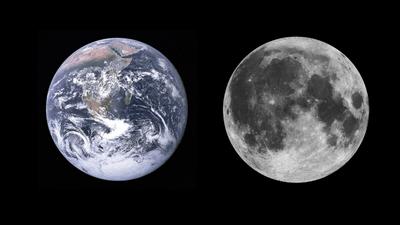
Crucially though, in the background, you can see that the AI has struggled with the concept of having Earth in the background. It's not clear why the AI would do so (perhaps it simply has far more training data with the Moon in the background of Earth) but if you look closely at the object in the background, it bears a striking resemblance to the Moon.
The AI appears to have incorporated Moon features into the background Earth, making it look like there are two Moons, raising either the question "is this image AI" or "did NASA go to the wrong Moon" depending on your levels of skepticism and/or cannabis consumption. If you're inclined to be generous to AI slop, you could say that it has made an Earth-like object with Moon-like features, but that's more than generous for adding a bit of extra blue. It basically put in a second Moon, a mistake weighing around 7.34767309 × 10²² Kilograms.
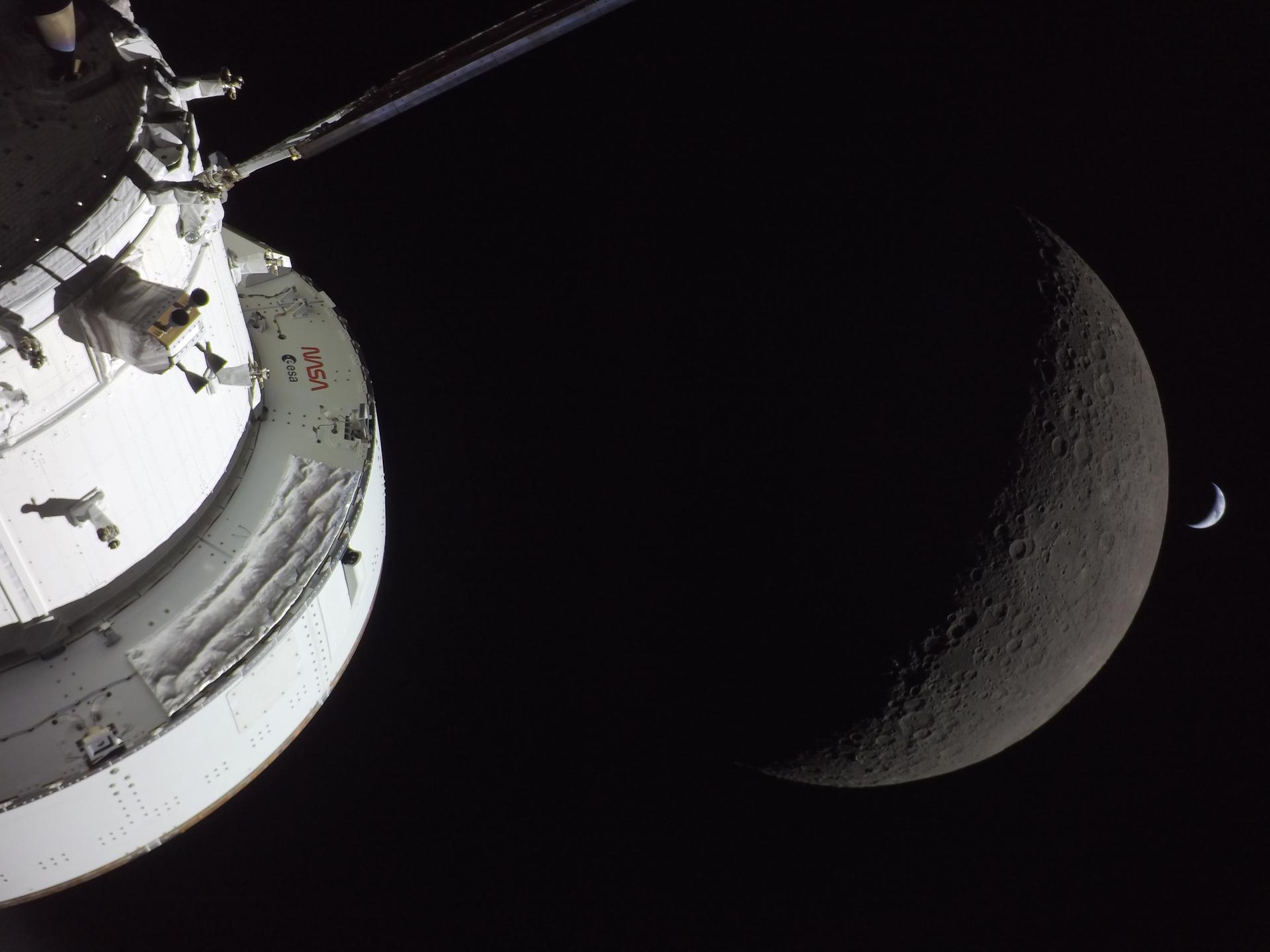
What's particularly irritating about this is that the Artemis astronauts really did capture the Orientale Basin in all its glory.
"The large crater west of the lava flows is Orientale basin, a nearly 600-mile-wide crater that straddles the Moon’s near and far sides," NASA explains of the above, actual photograph. "Orientale's left half is not visible from Earth, but in this image we have a full view of the crater. Everything to the left of the crater is the far side, the hemisphere we don’t get to see from Earth because the Moon rotates on its axis at the same rate that it orbits round us."
Though we imagine we are preaching to the converted here, always check that these images are from verified sources before assuming they are real. Particularly when they feature a second fake Moon behind the first fake Moon.