Humans
 PUBLISHED


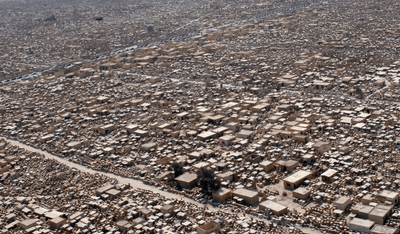


Nestled next to a holy site in Iraq, there’s an ancient graveyard that’s home to millions of bodies and stretches for more than 9.17 square kilometers (3.54 square miles), nearly three times the size of Central Park in Manhattan.
It’s called Wadi-us-Salaam, which translates from Arabic to Valley of Peace, and it’s widely considered to be the largest cemetery in the world.
It’s been in continuous use for over 1,000 years and continues to accept burials in the 21st century.
Viewed from the skies, it looks like a sprawling metropolis, but on the ground, it appears as a chaotic labyrinth of tombs, zig-zagging alleys, gravestones, and other structures.
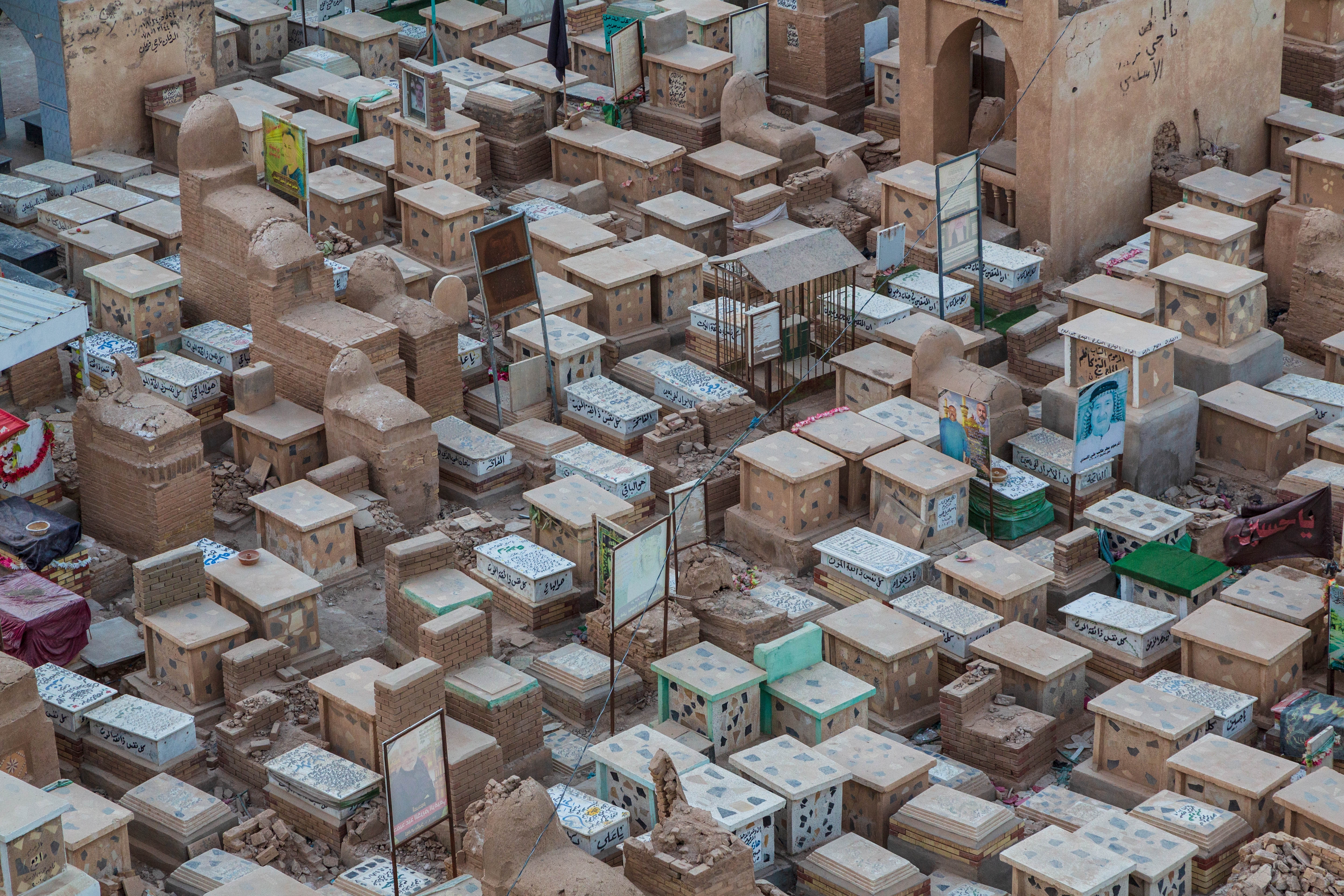
Located on the outskirts of the holy city Najaf, Shi'ite Muslims from around the world are drawn to be buried in the cemetery because it’s located near the shrine of Ali ibn Abi Talib, Muhammad's cousin and son-in-law, who was the first Shia Imam.
An estimated 5-6 million people have been buried here over the past 1,400 years, ranging from ancient prophets and kings to modern soldiers from the US-led Iraq War and the ISIS insurgency.
It features an entire section of people killed during the Iran-Iraq War of the 1980s, plus another dedicated to the 1991 uprising of Shias against Saddam Hussein.
Among the millions buried here are a significant number of historical and religious figures, including Muhammad Baqir al-Sadr, an Islamic scholar and political activist in Iraq who was executed by Saddam in 1980, as well as Hud and Salih, two revered pre-Islamic prophets.
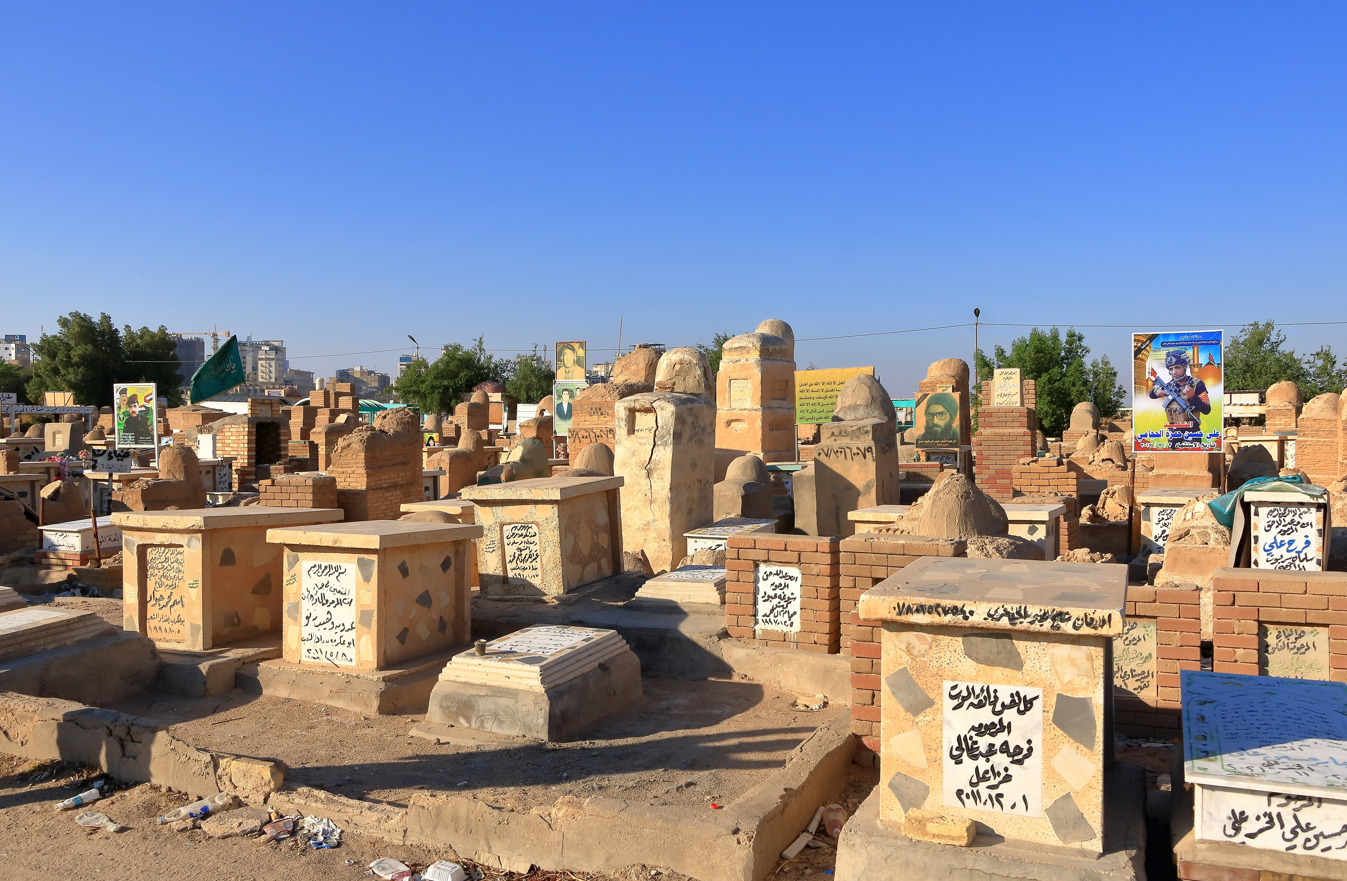
In recent decades, the cemetery has been grimly busy. At the height of the Iraq War, up to 250 bodies would be buried at the cemetery every day. When ISIS took over the country in 2014, the figure was reported to still be around 200 daily burials.
According to people who frequent Wadi-us-Salaam regularly, its alleys are known to be haunted by jinn and other malevolent spirits.
“One day, a shadow sneaked up behind me and hit my head violently, leaving me badly injured. I no longer walk straight and feel like the ghost still haunts my body,” Haider al-Hatemi, a former gravedigger at Wadi-us-Salaam, told Al Jazeera in 2019.
“It happened at night, while I was working down in the grave to put a dead woman in her tomb during the funeral ceremony. When I bent down, her hand slapped my face so fiercely that I was left petrified,” said Abo Sebi, another grave digger.
Of course, as a science media platform, we couldn't possibly comment on such things, but historically, it is a fascinating relic of the region's mythology before Islam sprang up in the 7th century.

 1
1