


 Health and Medicine
 PUBLISHED


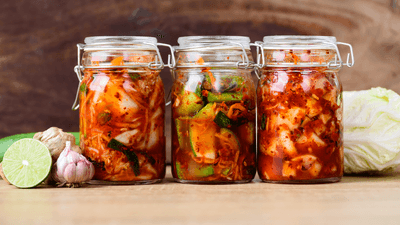


Kefir, kimchi, and sauerkraut: not the best combination together, but as a part of a balanced diet, these fermented products are superfoods. Fermentation can make a piece of cabbage last months, even years, but what is the pickling power that makes it possible?
What are fermented foods?
Food fermentation is an example of biotechnology, which is the exploitation of biological processes to manipulate living and organic things. It’s one of the oldest examples of how humans have harnessed naturally occurring products to our benefit, as well as one of the most delicious.
Why does fermentation make food last longer?
Fermented foods are produced by blending them with ingredients that can tease out a sour flavor in foods without the addition of acidic brine. The resulting environment is one that harmful microbes can’t thrive in, hence why fermented foods last for so long.

“The fermentation process involves the oxidation of carbohydrates to generate a range of products, which are principally organic acids, alcohol, and carbon dioxide,” wrote E. Medina et al. in 2016. “Such products have a preservative effect by limiting the growth of spoilage or pathogenic microbiota in the food. These include many organic acids such as lactic and acetic acids produced as end products, which provide an acidic environment unfavorable for the growth of many pathogenic and spoilage microorganisms.”
Fermented vs pickled – what’s the difference?
While the fermentation process produces lactic and acetic acid (that delicious sour tang) as end products, pickling kicks off the process by introducing such acidic ingredients. The processes are very similar, but typically your average pickle packs fewer health benefits compared to fermented food. Pickling is, however, a great way of preserving food that also makes it last longer, but when it comes to keeping your gut microbiome happy, it doesn’t quite match up to fermented superfoods.
Why are fermented foods good for us?
Probiotics are a great way to keep your microbiome happy as they top up the good kind of bacteria that we need for our guts – and just about everything else – to function properly. Once upon a time, we were consuming these good bacteria regularly, but with the rise of processed foods and antibacterial cleaning habits, we stopped coming into contact with as many good bacteria as our guts might like.

Adding fermented foods to your diet is a great and tasty way to work towards having a happier gut microbiome, but you need to choose your fighter carefully. The key ingredient is live cultures, something you’ll find in kefir, kimchi, sauerkraut, and some – but not all – pickles, as well as yogurt.
What happens if our gut microbiome is unhappy?
A solid gut microbiome strengthens the function of our digestive system, preventing something known as “leaky gut syndrome” that involves exactly what it says on the tin. As Professor of Nutrition at Harvard Dr David Ludwig told Harvard Health Publishing, chronic exposure to these leaking substances has been linked to everything from asthma, allergies, and eczema to schizophrenia and Alzheimer's disease, so it pays to keep topping up on your probiotics.
And the best bit? Sauerkraut tastes great with everything.




 1
1