Nature
 PUBLISHED
 3
3


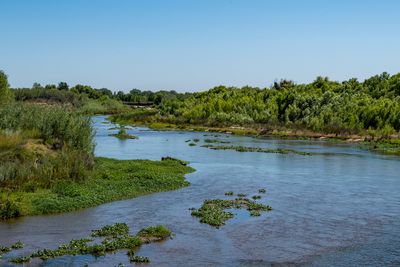


A new State Park has recently opened in California, offering visitors a “journey into the past” that shows how the Central Valley looked before modern agriculture.
Dos Rios officially opened to the public on June 12, 2024, marking the first state park created since Eastern Kern County Onyx Ranch State Vehicular Recreation Area in November 2014.
It’s found in the San Joaquin Valley where the Tuolumne River and the San Joaquin River meet, hence the name Dos Rios (Spanish for "Two Rivers").
The area was once dominated by farmland. While the agricultural boom brought economic riches to the region, it resulted in significant environmental changes, from groundwater depletion to the disruption of natural waterways.
To undo this damage, the land has become the subject of the state’s largest floodplain restoration project. It's been led by River Partners and the Tuolumne River Trust who purchased the property in 2012. Around 647 hectares (1,600 acres) have been restored so far, but ongoing work will add another 202 hectares (500 acres) on an adjacent former farm. Along with flooding parts of the land, over 280,000 trees have been planted and up to 12.8 kilometers (8 miles) of riverfront has been restored to its former glory.
All of this aims to provide habitats for several endangered species, including the riparian brush rabbit, riparian woodrat, Swainson’s hawk, Central Valley Chinook salmon, steelhead trout, least Bell’s vireo, and the greater Sandhill crane.
The recovered floodplains will also serve as a key pit stop along the Pacific Flyway, the global migration corridor for birds that flows from the Arctic down to Argentina.
“The vision for Dos Rios is a journey into the past, revealing a lush Central Valley and a local escape – adjacent to two rivers and a wildlife refuge,” Armando Quintero, Director of California State Parks, said in a statement.
Wildlife isn’t the only beneficiary of the project. The plains will act as natural buffers during heavy rainfall and flooding events, which are set to become more common and damaging in the years ahead due to climate change. Equally, the flood of freshwater will “recharge” the region's underground aquifers, a vital resource for drinking water, agriculture, and ecosystem health.
What's more, the park has created 250 jobs and many are hoping the influx of visitors to the area could help “save” the local town of Grayson. California State Parks also believes the newly restored area will help to improve the “mental, physical, and social well-being” of locals and travelers who can enjoy the park’s national beauty for activities.
“Opening Dos Rios is a game changer. It provides a beautiful riverfront destination for San Joaquin Valley residents to get outside and recreate, in a part of the state with few such places. It also provides a new model of a multi-benefit park that also reduces flood risk for local communities, provides a refuge for local residents during worsening heat waves, and restores the natural environment of the Central Valley to benefit local wildlife,” added Wade Crowfoot, Secretary of California Natural Resources Agency.
If you’re planning on visiting, there are a few things to consider. Dos Rios is currently only open on Fridays, Saturdays, and Sundays. It’s free to enter at the moment, although they have suggested “future fees” might be introduced at a later point. Hikers, picnickers, and bird watchers are welcome, but the park currently doesn’t allow campers.