Health and Medicine
 PUBLISHED





Taurine, which is famously found in energy drinks like Red Bull, may alleviate symptoms of psychosis in young people, according to a new study. However, given the amount of sugar, caffeine, and other unhealthy ingredients in many of these beverages, it really isn’t a good idea to self-medicate using these drinks.
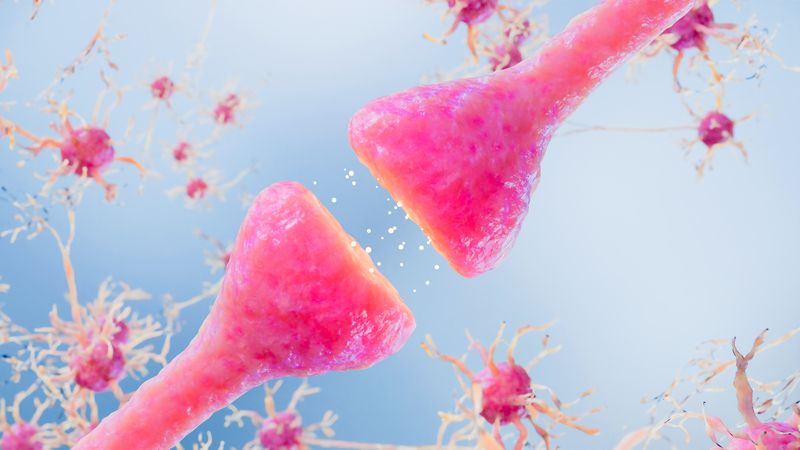
Taurine is an amino acid that plays a role in modulating neuronal activity by stimulating and inhibiting various receptors throughout the central nervous system. It also helps to control cardiovascular function, and has been found to both protect neurons and stimulate the creation of new neurons via a process called neurogenesis.
With this in mind, a team of researchers decided to find out if taurine could be used to stabilize the neurological activity of people going through their first episode of psychosis (FEP). They therefore gave four grams of either taurine or a placebo to a group of 86 patients with FEP, aged 18 to 25, once a day for 12 weeks, in addition to their antipsychotic medications.
Symptom severity was measured using the Brief Psychiatric Rating Scale (BPRS) and the Calgary Depression Scale for Schizophrenia (CDSS). The researchers also used a scale called the MATRICS consensus cognitive battery (MCCB) to measure changes in cognition.
The results of the study – which are due to be presented this week at the International Early Psychosis Association (IEPA) meeting in Milan – reveal that at the 12-week mark, patients who received taurine had significantly improved scores on the BPRS, indicating a reduction in psychotic symptoms. They also displayed a significant decrease in depression, although cognition was not affected.
While this would appear to suggest that taurine is effective at treating FEP, the dose used in the experiment was the equivalent of drinking about four 250-milliliter cans of Red Bull in one go every day, which is absolutely not advisable and is sure to cause more problems than it solves.