


 Nature
 PUBLISHED

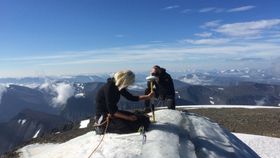


Sweden’s highest mountain peak has hit a new low.
It seems as though nothing is immune to the soaring temperatures sweeping across Europe, even the Arctic’s glacial mountain tops. One, in particular, is suffering significantly.
At the south end of Sweden’s Kebnekaise mountain is a glacial peak that has long held the title for the nation’s highest point – until now. The ice atop the mountain has melted, shrinking the peak to 2,097 meters (6,879.92 feet), 3.9 meters (13 feet) shorter than usual.
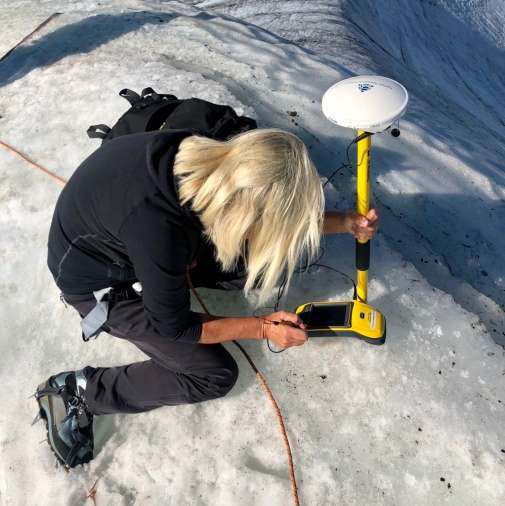
“I have never seen so much snow that has melted on the south peak as this summer,” said Gunhild Ninis Rosqvist, professor of geography at Stockholm University, in a statement.
The south peak’s height varies depending on the weather. Like many other parts of Europe, glaciers in Sweden have been negatively affected by an extreme heatwave sweeping across the continent.
“During this time, four meters of snow and ice have melted, an average of 14 cm per day. It’s going very fast now. The result of the hot summer will be a very big loss of snow and ice in the mountains,” she said.
Measured since the 1880s, the annual melting average over the last 20 years has been just 1 meter (3.3 feet). The height of the glacier is determined by the amount of snow accumulated during winter and how quickly it melts during summer months. Last year, the south peak was 2 meters (6.6 feet) taller than the north peak by the end of the season.
Rosqvist has carried out research on the mountain for many years. The Arctic has long been called climate change’s “canary in the coal mine” because it is warming twice as fast as the world average. With rising surface air and sea temperatures, record permafrost warming, and decreasing sea ice cover, current trends suggest it’s unlikely the Arctic will ever return to its “normal” reliably frozen climate.
Meteorologist Martin Hedberg told Agence France Press (AFP) that extreme heat is 100 times more common today than at the middle of the century.
"The temperature differences between the Arctic and the Mediterranean are narrowing," he told the publication.
The last three years have been the hottest on record, and 2018 is shaping up to join. Rosqvist says changes are needed that go beyond the Paris Agreement, which aims to cap global temperature rise this century to below 2°C (3.6°F) above pre-Industrial levels. She continues that cuts in fossil fuel usage through changed consumer habits could be a step in the right direction.




 1
1