Nature
 PUBLISHED
 7
7


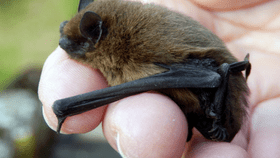


It ain’t easy being teeny, but for bats in the UK things just got a little easier as the National Trust just installed some non-slip tiles to make scaling the attics of Oxburgh Hall, Norfolk, a little easier for diddy claws. It’s thought that bats have likely made use of the decadent hall’s lofty attics for centuries, demonstrating how human-made structures can become valuable habitats for wildlife, and should be renovated accordingly.
"There were signs of a maternity roost in the past, but the current use has been as day and night roosts for numbers of brown long-eared and common pipistrelle bats,” said David White, National Trust project manager, to the BBC.
The replacement roof, costing over £6 million ($8 million) will see the derelict tiles of the hall’s roof replaced with new ones. However, with the preservation of the UK’s green spaces and wildlife ever at the forefront of the National Trust’s motivations, the replacements will come with a little something extra for the nation’s bonny wee bats.
To make things easier for bats roosting at Oxburgh, some of the new tiles will be painted to make their surface rough, mimicking the old tiles. These new tiles will surround the preserved roosting sites in the expansive roof (one of the biggest renovations of its kind in the Trust’s history) meaning that bats can scuttle safely inside with ease.
Being so vast, the project has taken some time, but to accommodate its residents the Trust set up a temporary bat hotel.
"We have worked with bat experts to create a new roost in the nearby Bell Tower and installed bat boxes in the trees on the north terrace to provide alternative roosting places whilst the roof works take place,” continued White. "Currently the bell in the Bell Tower can't be rung, so as not to disturb the bats."
While bat PR has arguably not been at its best in recent times, countless videos on the Internet attest to these animals’ “LOOK AT THE BABY” factor, and multiple studies have found that they practice some pretty aww-inducing behaviors in the wild exhibiting their own kind of baby talk and making great foster parents.
As well as being sweet puppers of the sky, bats form a vital and convenient part of the ecosystem, scooping up troublesome mosquitos and gracing ground-dwelling ecosystems with dense mats of guano.
In short, yay bats.