Space and Physics
 PUBLISHED
 2
2




The planetary bodies of the Solar System are all wildly different in size and mass and atmospheric composition from the Earth. It can be difficult to picture the gravity of these different worlds but luckily someone thought of a very cool way to demonstrate it. The team at Bright Side on Youtube has crafted a great video showing the difference in height that you could achieve by jumping on the different planets (plus the Moon and Pluto).
The video gives an intuitive idea of the differences between planets. Assuming that you can jump half a meter on Earth (1.5 feet), the rocky planets would give you some interesting tidbits. Starting closer to home, jumping on the Moon would lift you 2.7 meters (9 feet) easily, as its gravity is about 1/6th of Earth's.
On Venus, you can jump slightly higher than on Earth, as its gravity is about 91 percent of Earth's. On Mars, it's up to 1.2 meters (4 feet), as its gravity is 62 percent lower. This is roughly what you would experience on Mercury, too. This might perplex you a bit. Mercury is much smaller and a lot less massive than Mars. Why is its gravitational pull so strong by comparison? Well, Mercury is very dense and that makes a lot of difference.
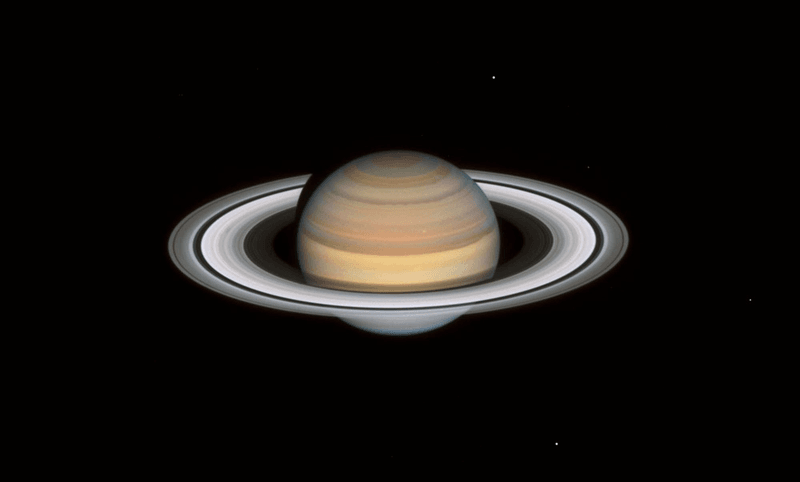
You can’t actually stand on the gas giants, so the absolute geniuses behind the video have floating platforms in the clouds to simulate a jump in their atmospheres. Be warned, you will experience a significant reduction in your jump height, though. On Jupiter, the most massive planet, your jump would barely get you a single staircase step up. Saturn, the second most massive planet but with a density lower than water, is almost Earth-like when it comes to jumping height, however, at 0.4 meters (1.4 feet). Uranus and Neptune also don’t have a major difference compared to Earth.
When things get really fun is when we consider the minor bodies of the Solar System. On Pluto, you could jump to 7.6 meters (25 feet), as it has about 1/15th Earth's gravity. But if you don’t want to trek all the way to Pluto, you can have an even better experience nearby. Not included in the video, Ceres is the largest asteroid in the belt and the only dwarf planet in the inner Solar System. Jumping there would easily get you to 18 meters (59 feet) high.
So be careful when attempting to jump in space, different planets will get you wildly different results.